Guide · Causes

What causes inflammation? The 7 real culprits

Most articles on this topic list "stress" and stop. Or they hand you a 4,000-word list of inflammatory chemicals you'll never remember. Here's what actually drives chronic inflammation in real bodies, ranked by how much each one matters, with what to fix first.

10 min read·Updated May 2026·For people who want the why, not the hype
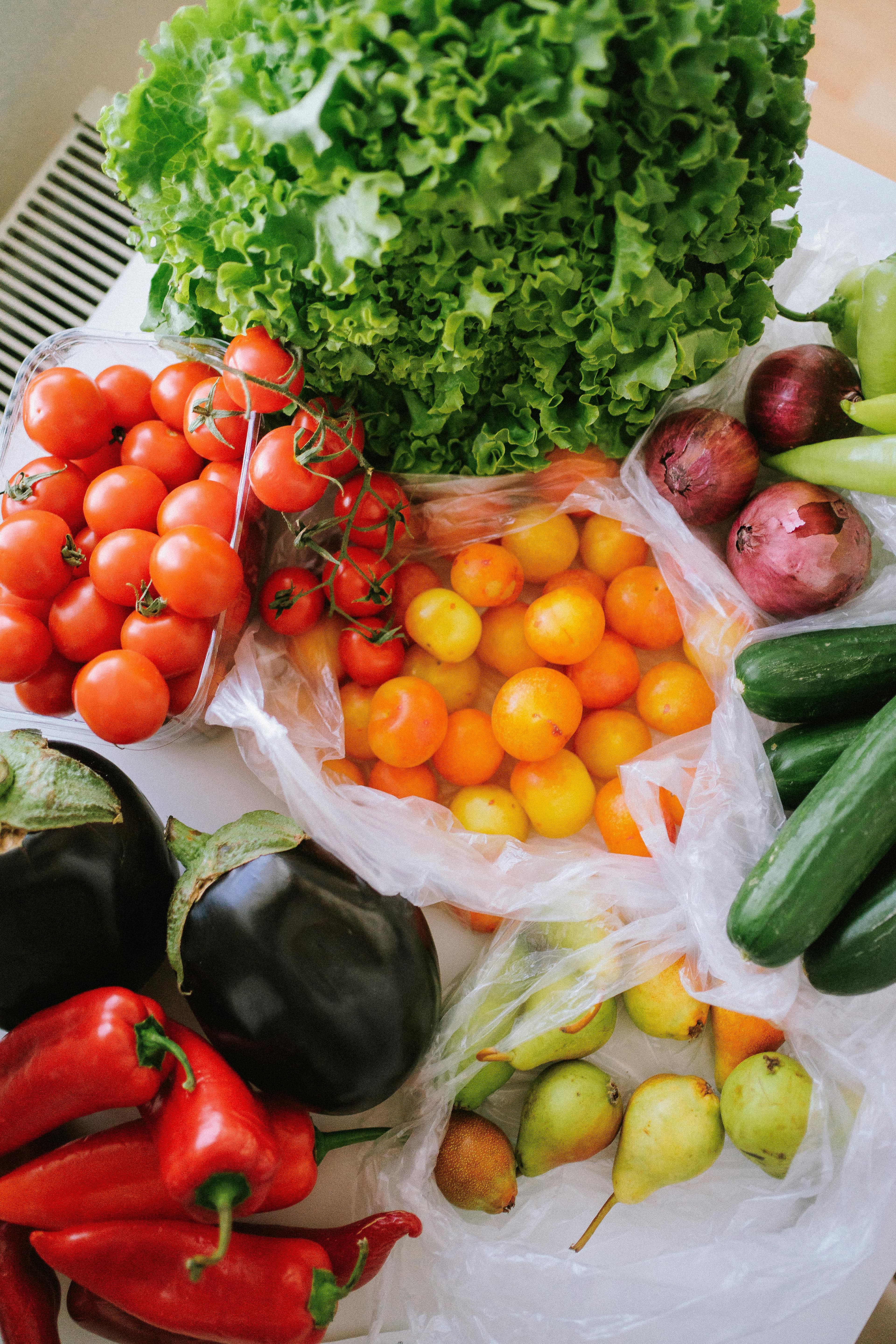
Fresh fruit and vegetables arranged on a table

The short answer

Diet, sleep, stress, and being sedentary cause most chronic inflammation. Belly fat, gut imbalance, smoking, and heavy drinking pile on top. Genetics matter, but they're a background factor. The first 4 are where almost all the improvement lives.

The 7 real causes

In order of how much they actually matter for most people. The first 3 are responsible for the majority of chronic inflammation in modern populations. Start there.

1

Your diet (the big one)

High control

Why it matters

Ultra-processed foods, refined sugar, and industrial seed oils are the loudest inflammation drivers in most diets. They flood your body with oxidized fats and rapid blood sugar spikes, both of which trigger immune responses 3-4 times a day, every day.

How to tell if it's you

Look at last week. How many ultra-processed items did you eat? (Anything with more than 5 ingredients on the label, half of them unrecognizable.) If it's most of your meals, this is your starting point.

What to do

Two weeks. Cut sugary drinks, swap seed oils for olive oil, eat one less packaged thing per day. That's it. Don't try to overhaul everything.


2

Sleeping under 7 hours

High control

Why it matters

Sleeping fewer than 6 hours raises IL-6 (a major inflammation marker) independently of any other factor. One night doesn't matter. Months of it changes everything. Your body uses deep sleep to clear cellular debris, and you're skipping that.

How to tell if it's you

Track for a week. If you're under 7 hours regularly and you don't bounce out of bed, this is bigger than your diet.

What to do

Stop drinking coffee after noon, no screens for 30 minutes before bed, room cold and dark. Add magnesium glycinate at night if it's chronic. Sleep first, supplements second.

3

Chronic stress (the unobvious kind)

High control

Why it matters

Acute stress is fine. Chronic stress desensitizes your immune cells to cortisol, the hormone that's supposed to dial down inflammation. So cortisol stops working, and inflammation runs unchecked. The PNAS study on this is one of the clearest links in the research.

How to tell if it's you

Stress that you've adapted to doesn't feel like stress anymore. Look for: tight shoulders, jaw clenching, can't actually relax on weekends, racing thoughts at night.

What to do

Walks outside, breathing exercises before bed, real boundaries with work. Therapy works. Meditation apps work if you actually use them. Pretending you're not stressed doesn't work.

4

Sitting all day

High control

Why it matters

Sedentary muscle is metabolically active in a bad way. It releases pro-inflammatory cytokines just sitting there. Active muscle releases anti-inflammatory ones (myokines). The difference is huge.

How to tell if it's you

If you sit for 6+ hours a day and don't exercise, you're in the high-risk zone regardless of weight. Office workers, drivers, anyone WFH.

What to do

Walking 30 minutes a day, daily. Strength training twice a week is the highest-leverage move. You don't need a gym. Bodyweight or cheap dumbbells at home work fine.

5

Visceral fat (the belly kind)

Medium control

Why it matters

Subcutaneous fat (the soft stuff under skin) is mostly storage. Visceral fat (the firm belly fat around organs) is a hormone factory. It actively produces inflammatory cytokines, including IL-6 and TNF-alpha. This is why central obesity correlates so strongly with chronic disease, even at normal BMIs.

How to tell if it's you

Waist circumference is more useful than weight. Over 40 inches for men, over 35 for women, you've got too much visceral fat regardless of what the scale says.

What to do

Strength training, protein at every meal, cut liquid sugar. Visceral fat responds to consistent food and movement changes faster than subcutaneous fat does, ironically.

6

A gut microbiome out of balance

Medium control

Why it matters

Your gut bacteria train your immune system. When the microbiome is healthy (diverse, well-fed by fiber), it produces short-chain fatty acids that calm inflammation. When it's not (low diversity, fed by sugar), it produces compounds that leak through the gut lining and trigger immune flares throughout the body.

How to tell if it's you

Most people with chronic gut issues (IBS, frequent bloating, irregular bowels) have microbiome imbalances. So do people on multiple rounds of antibiotics, heavy NSAID users, and anyone who ate primarily ultra-processed foods for years.

What to do

Eat 30 different plant foods per week (vegetables, fruits, beans, nuts, grains all count). One daily fermented food (yogurt, kefir, sauerkraut, kimchi). Cut artificial sweeteners. Skip the expensive probiotics until you've done the food version for a month.

7

Environmental and lifestyle inputs

Limited control

Why it matters

Smoking, heavy drinking, air pollution, and chronic exposure to certain chemicals are all proven inflammation drivers. They contribute differently. Smoking is the worst single input you can give yourself. Alcohol matters more than people admit. Air pollution is mostly out of your control but is real.

How to tell if it's you

Smoker, heavy drinker (more than 7 drinks/week consistently), or living in a high-pollution area. You probably already know.

What to do

Stop smoking. Cap alcohol at 5-7 drinks per week max, with at least 2 zero-drink days. For pollution, indoor air filters help. Outside is mostly bigger than any one of us.

Flammy app icon

Free · iOS & Android

Want to know if a specific food is making it worse?

Download Flammy on the App StoreGet Flammy on Google Play
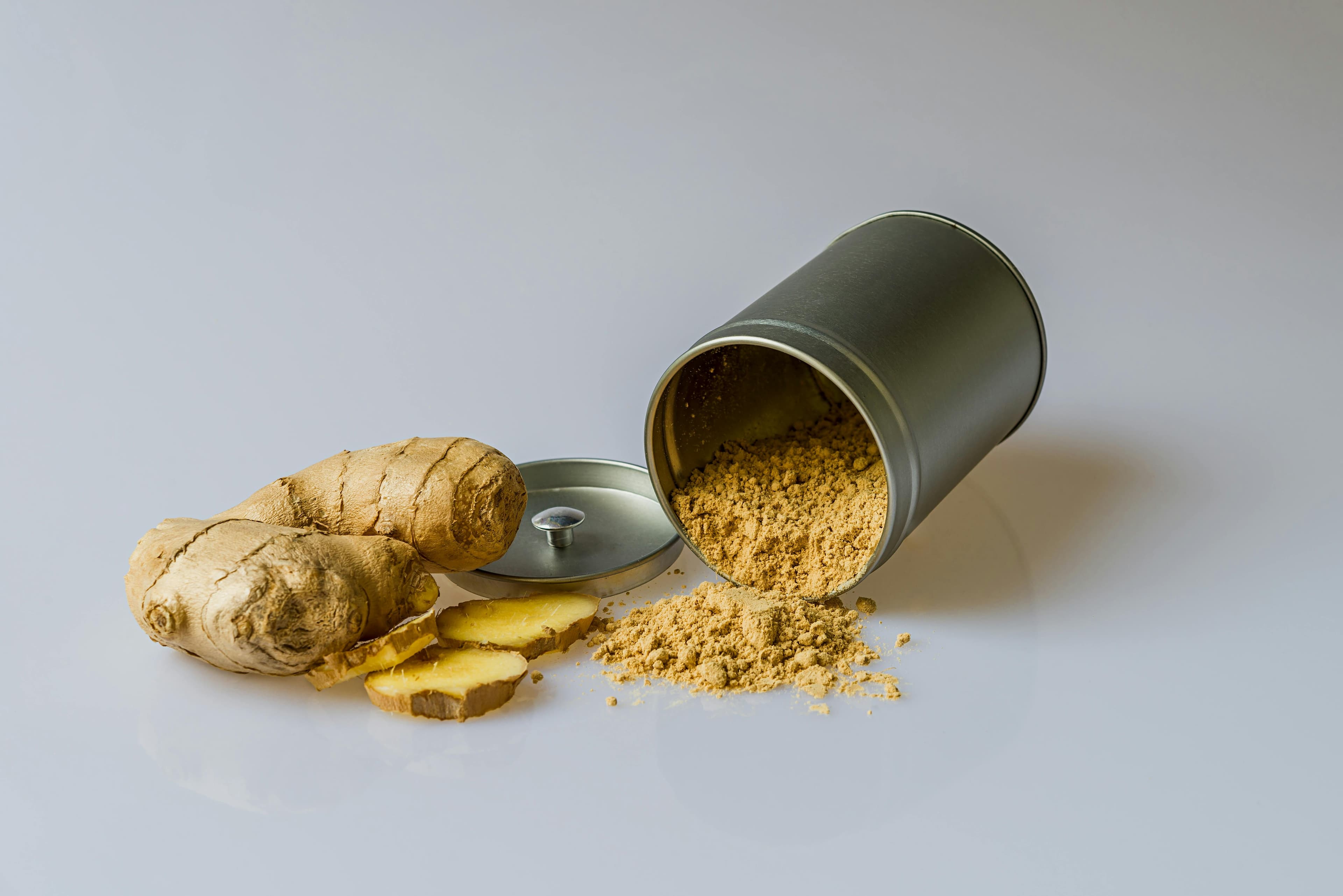
Fresh ginger root with sliced pieces and ginger powder

Inflammation is rarely about one ingredient. It's the total picture across food, sleep, movement, and stress that moves the needle.

8 sneaky causes most articles skip

These show up underneath the main 7. They're not the biggest drivers on their own, but they quietly add up. If you've cleaned up the basics and still feel off, check these.

1

Gum disease and dental infections

Mouth inflammation is body inflammation. Floss.

2

Untreated sleep apnea

Massively elevates inflammation. Worth a sleep study if you snore.

3

Low vitamin D

About a third of adults are deficient. A $20 test catches it.

4

Hidden food sensitivities

Different from allergies. Often dairy, gluten, eggs, or nightshades. Elimination diet is the only real test.

5

Chronic infections (mono, EBV, Lyme)

Past infections can keep inflammation simmering. A doctor can test.

6

Medications

Long-term NSAID use, PPIs, and some antibiotics affect gut and inflammation.

7

Lack of sun exposure

Not just vitamin D. Sun exposure modulates immune function directly.

8

Social isolation

Yes, really. Loneliness raises inflammation markers in studies. Spend time with people you like.

What you can control vs what you can't

Genetics matter, but less than you think. Twin studies consistently show that lifestyle factors explain 60-80% of variance in inflammation markers between similar people. Your DNA loads the gun. How you eat, sleep, move, and live pulls the trigger.

This is the good news. You can't change your genetic predisposition or the air quality in your city or whatever your mom ate when she was pregnant. You can absolutely change what's in your fridge, how much you sleep, whether you walk or sit, and how you handle stress.

Focus on the high-control items first. Worry about the low-control ones last, if ever.

The order to fix them

Most people try to fix everything at once and fail at everything. Pick one, do it for 2 weeks, add the next. This order is roughly biggest-bang-for-buck.

  1. 1

    Cut sugary drinks. Soda, juice, sweetened coffee. Replace with water, black coffee, or unsweetened tea.

  2. 2

    Get 7-8 hours of sleep. Same time every night for 2 weeks. No screens 30 min before bed.

  3. 3

    Walk 30 minutes a day. Outside if possible. Doesn't have to be one block; can be three 10-minute walks.

  4. 4

    Swap seed oils for olive oil. One bottle of EVOO, use it for everything.

  5. 5

    Eat fish twice a week. Salmon, sardines, mackerel. Frozen and canned both count.

  6. 6

    Add a fermented food daily. Yogurt, kefir, sauerkraut, kimchi, miso. Small amounts compound.

  7. 7

    Strength train twice a week. Bodyweight or dumbbells at home is fine. 20 minutes each.

  8. 8

    Cut alcohol to 5 drinks/week max. Two zero-drink days minimum.

You don't have to do all 8. Most people see real changes after the first 4. The rest are diminishing returns once the basics are dialed.

Free · iOS & Android

Scan a food in 2 seconds. Know if it's healing or hurting you.

Point your camera at any meal, ingredient, or label. Get an instant inflammation score, the science behind it, and better alternatives. All free.

Camera scanAI-powered1–10 scoreBetter swaps
Download Flammy on the App StoreGet Flammy on Google Play