Side-by-side comparison
Garlic vs Ginger
Inflammation score comparison
🧄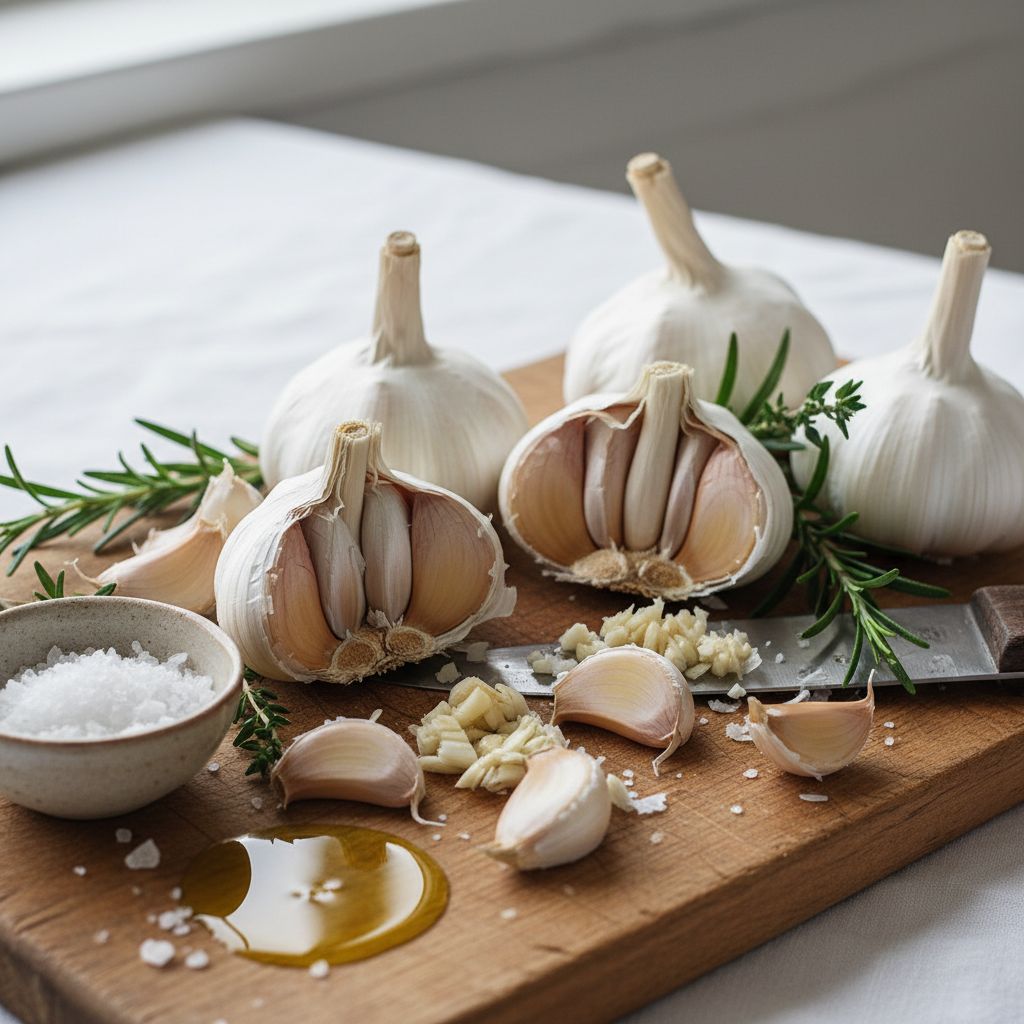
Garlic
2/10Anti-Inflammatory
LowHigh
VS
🫚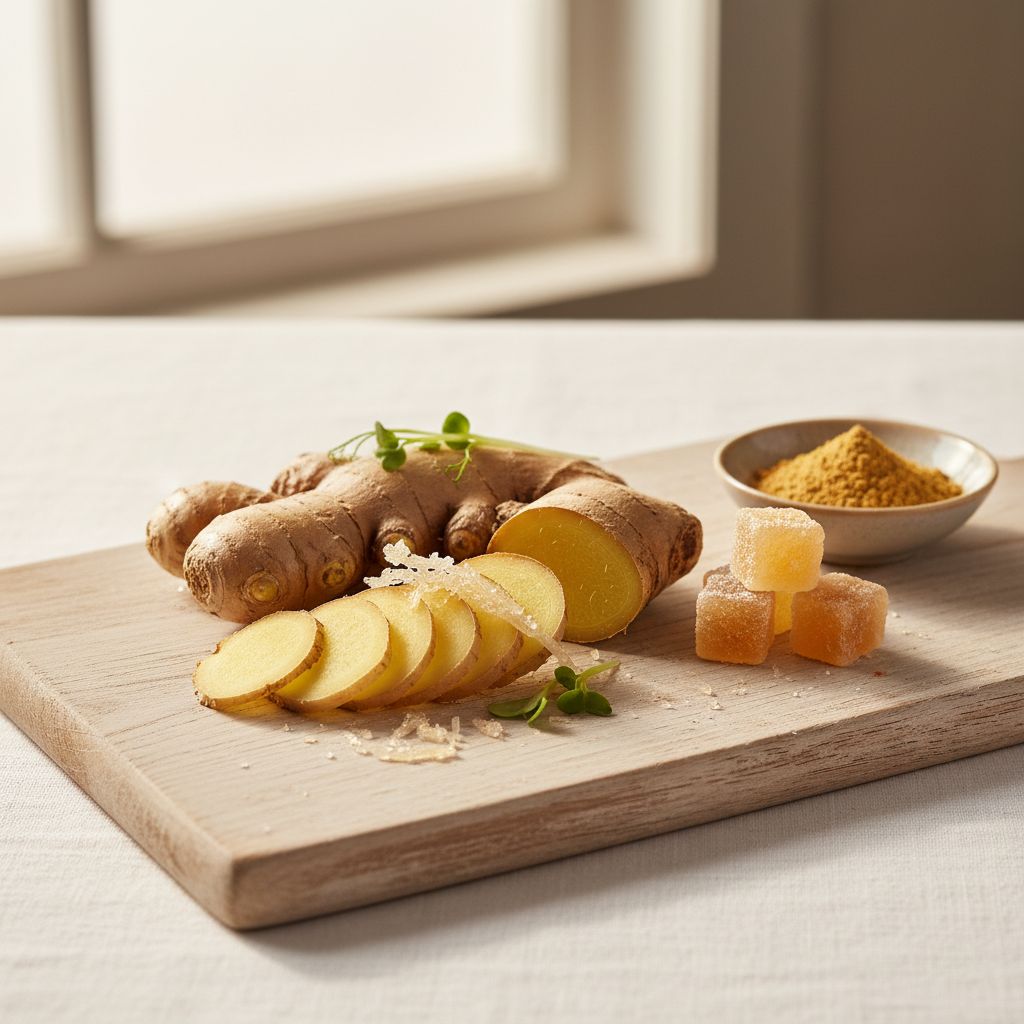
Ginger
1/10Anti-Inflammatory
LowHigh
🫚Ginger is the better choice for an anti-inflammatory diet
Detailed Comparison
🧄 Garlic
🫚 Ginger
Inflammation Score
2/10
1/10
Category
Anti-Inflammatory
Anti-Inflammatory
Key Benefits
- Allicin has strong anti-inflammatory properties
- Natural antimicrobial and antiviral effects
- May help lower blood pressure
- Gingerols have strong anti-inflammatory effects
- May reduce muscle pain and soreness
- Effective against nausea and digestive issues
Concerns
- Can cause bad breath and body odor
- May interact with blood-thinning medications
- Raw garlic may cause digestive discomfort
- May cause heartburn in some people
- Can interact with blood-thinning medications
- High doses may cause digestive discomfort
Key Nutrients
AllicinManganeseVitamin B6Vitamin CSeleniumFiber
GingerolsManganeseVitamin B6MagnesiumPotassium
Serving Size
1-2 cloves (3-6g)
1 tablespoon (6g) fresh grated
🫚The Better Choice: Ginger
With an inflammation score of 1/10, Ginger is the clear winner in this comparison. Ginger is classified as anti-inflammatory, meaning it actively helps reduce inflammation in the body. Compared to Garlic (2/10), Ginger offers better anti-inflammatory benefits.
Learn More About Each Food
Compare Any Food's Inflammation Score
Download Flammy to scan any food and instantly see its inflammatory score. Compare foods side by side and make better choices for your health.
Browse All FoodsFree · iOS & Android
Scan a food in 2 seconds. Know if it's healing or hurting you.
Point your camera at any meal, ingredient, or label. Get an instant inflammation score, the science behind it, and better alternatives. All free.
Camera scanAI-powered1–10 scoreBetter swaps