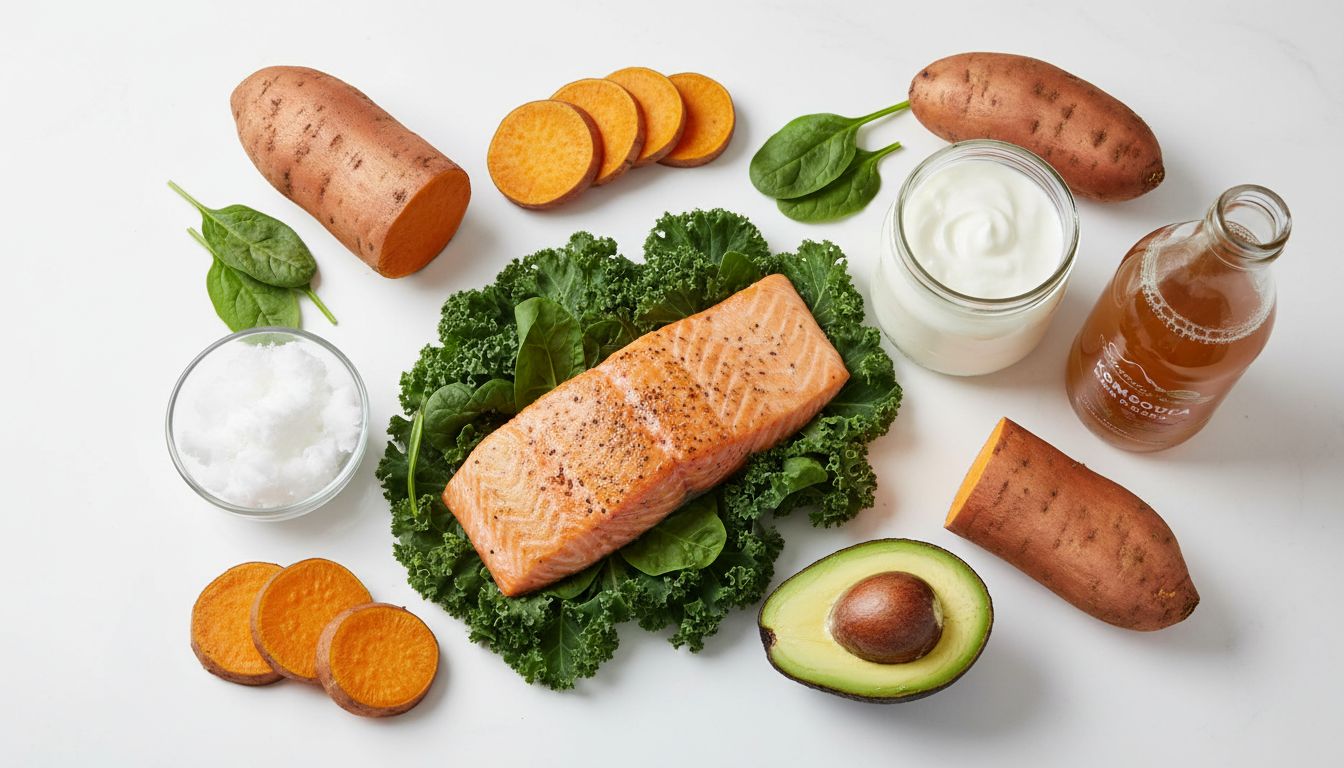
Anti-Inflammatory Diet for Eczema
The foods, tips, and strategies to manage eczema through anti-inflammatory eating.
Understanding Eczema & Inflammation
Eczema (atopic dermatitis) is a chronic inflammatory skin condition affecting over 30 million Americans. It causes dry, itchy, inflamed patches of skin that can crack, weep, and become infected. Eczema is fundamentally an immune-mediated condition driven by a combination of genetic skin barrier defects and overactive inflammatory immune responses. The gut-skin axis means that internal inflammation directly manifests as skin inflammation.
Diet plays a significant role in eczema management, as certain foods can trigger immune reactions that worsen skin inflammation, while anti-inflammatory foods can calm the overactive immune response and strengthen the skin barrier from within. Omega-3 fatty acids are particularly important because they compete with pro-inflammatory omega-6 fatty acids for incorporation into skin cell membranes, directly reducing skin inflammation.
An anti-inflammatory diet for eczema focuses on healing the gut (to reduce systemic immune activation), providing skin-barrier-supporting nutrients (omega-3s, vitamin E, zinc), and eliminating common dietary triggers. Studies show that patients who identify and remove their personal food triggers while increasing anti-inflammatory food intake can reduce eczema severity scores by 40-60%, leading to less itching, fewer flare-ups, and improved skin integrity.
Common Symptoms
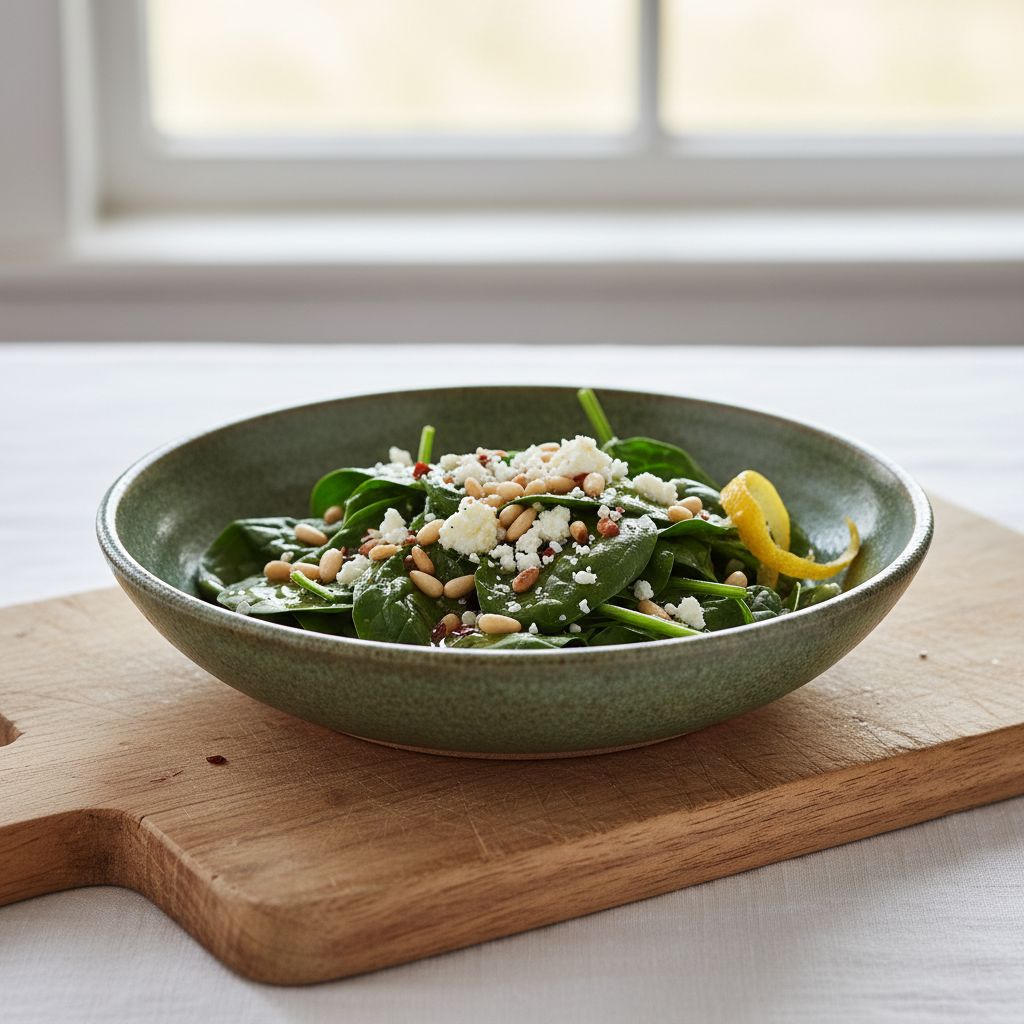
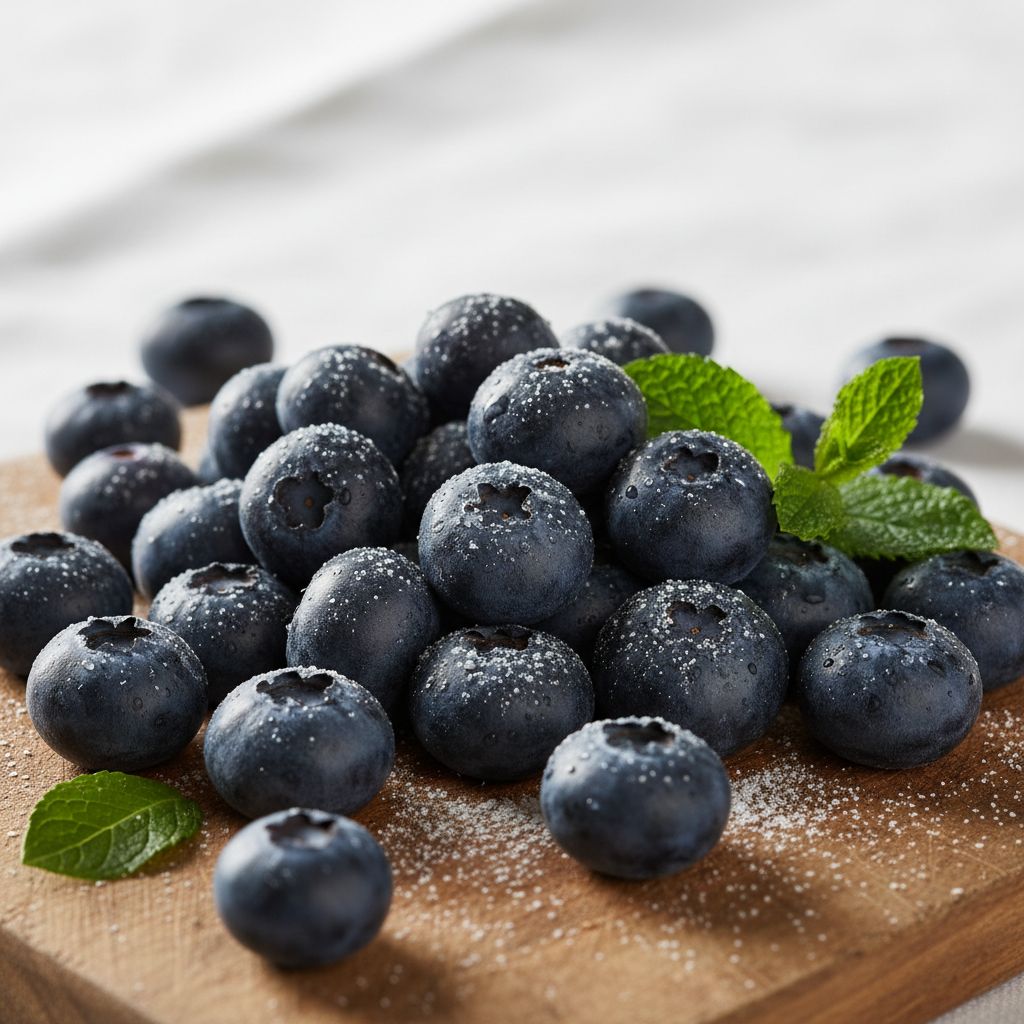
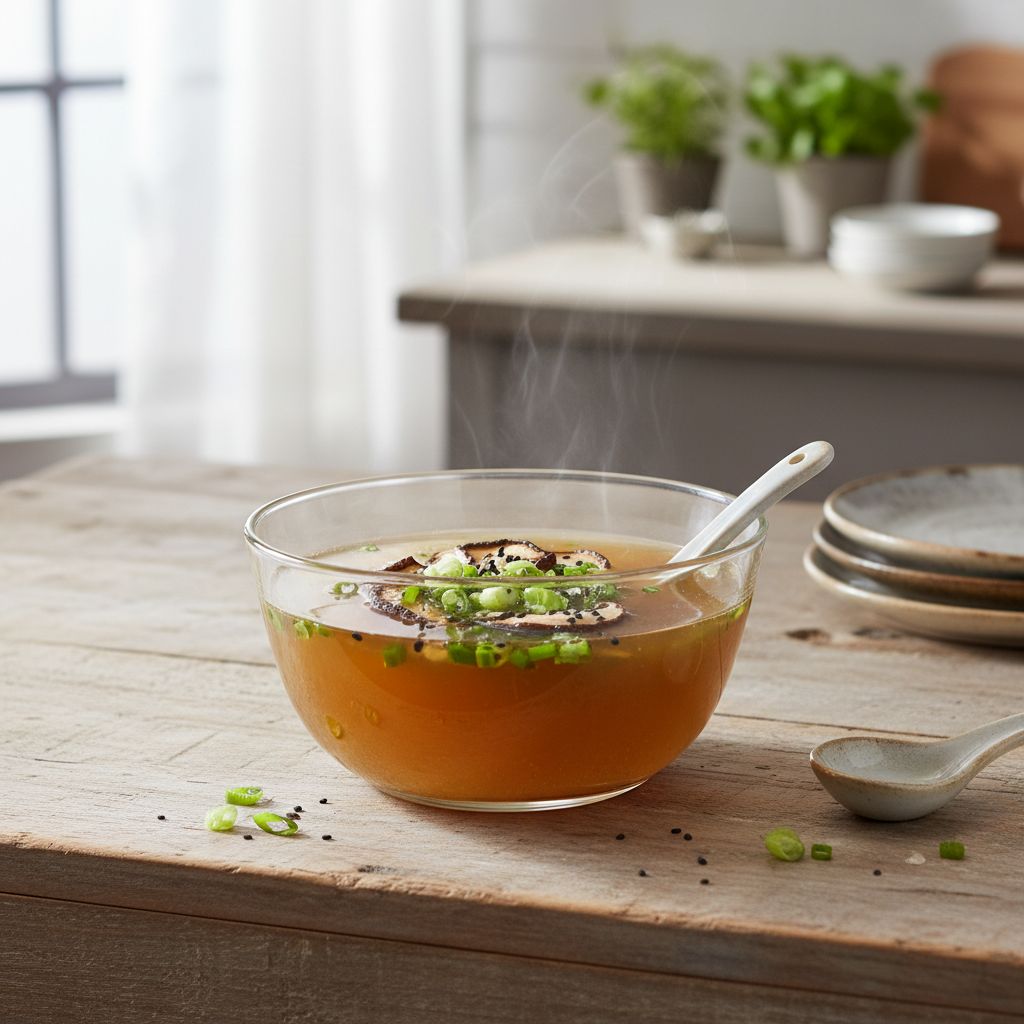
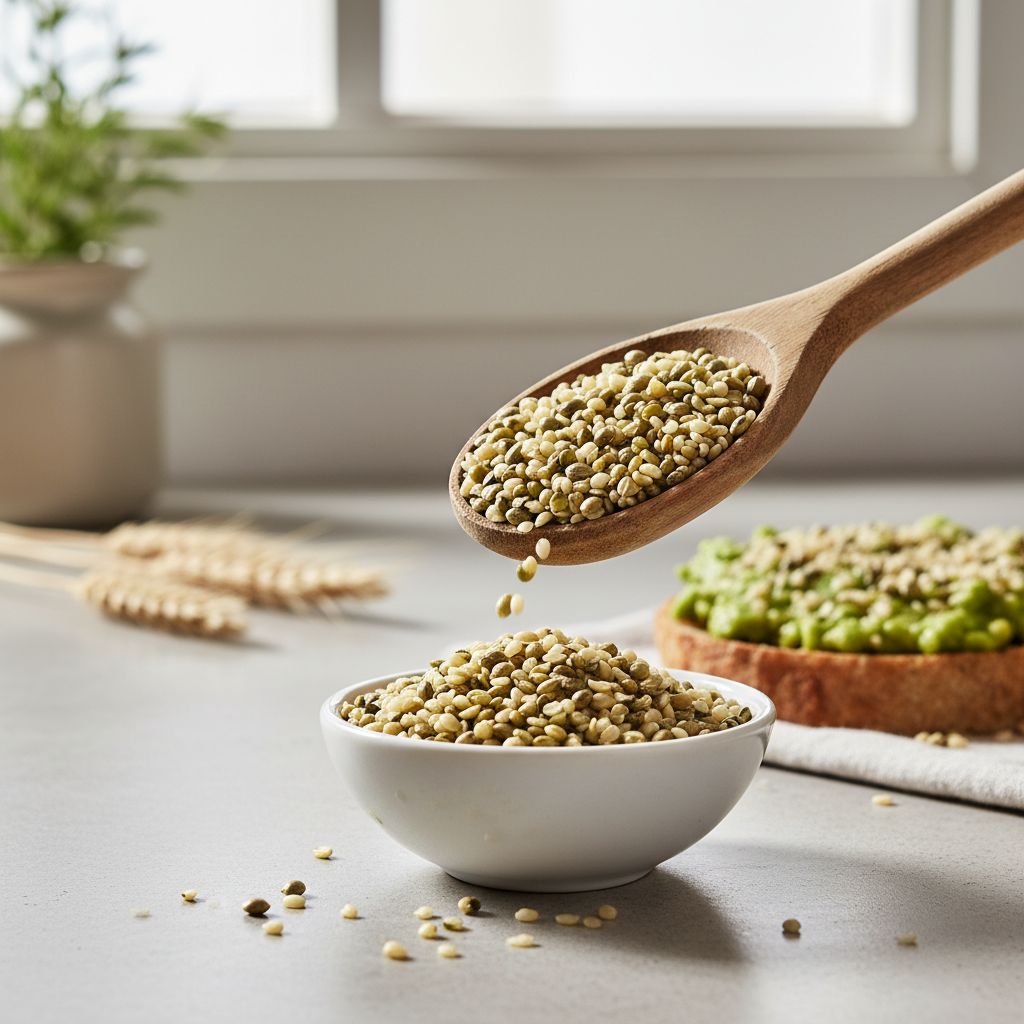
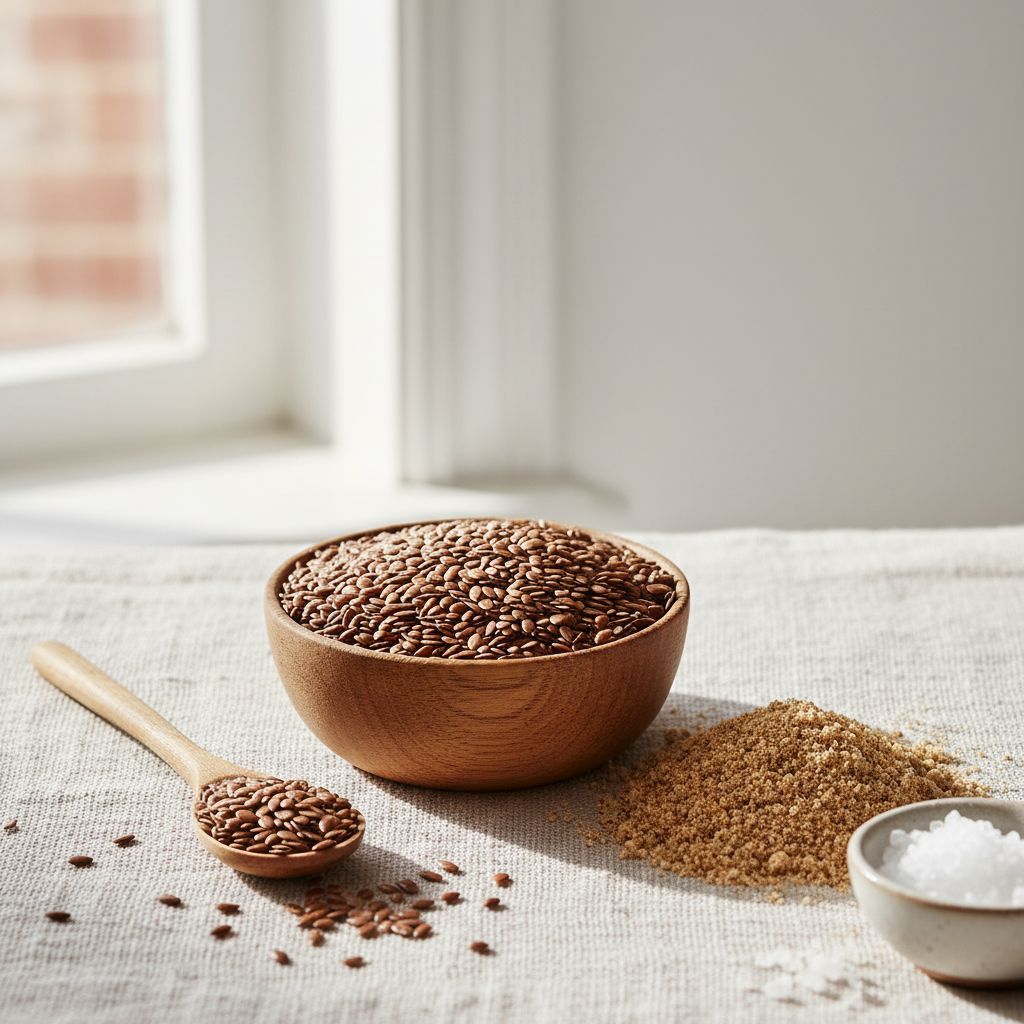
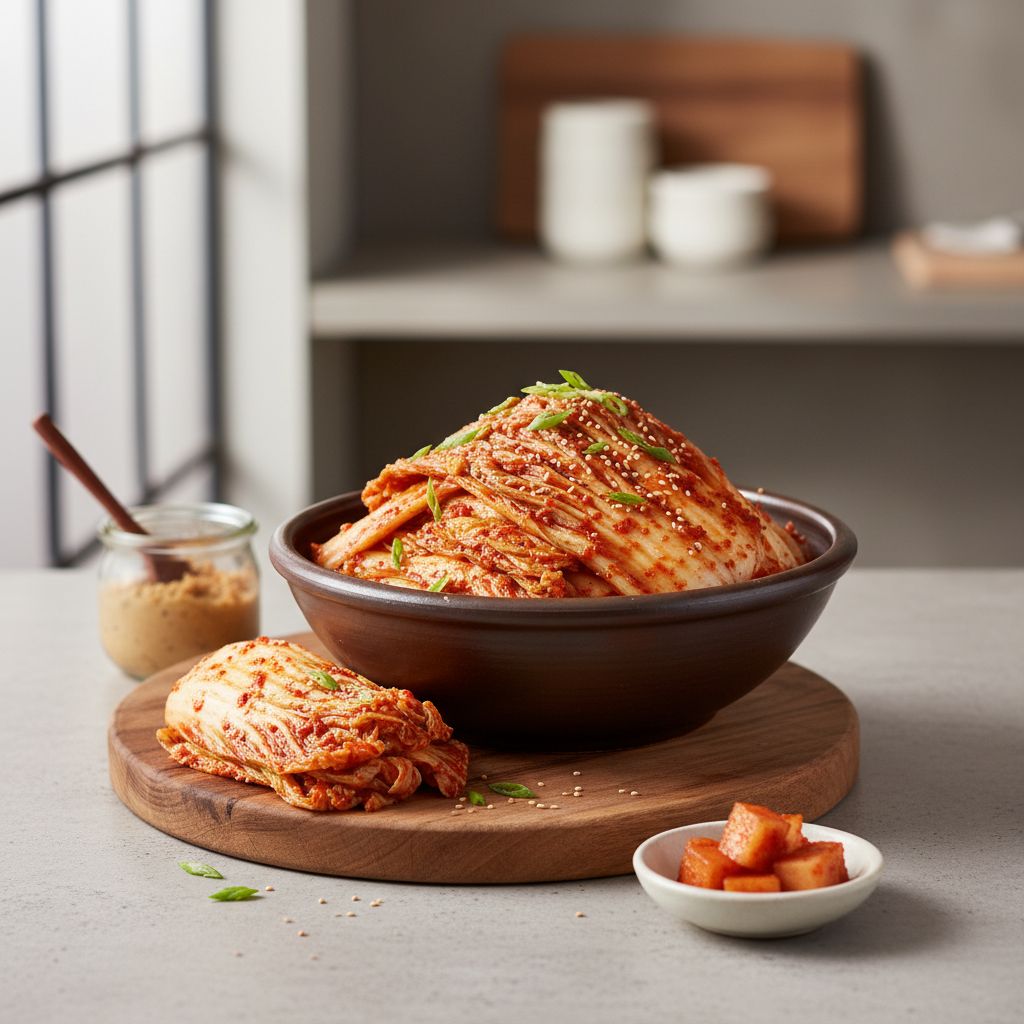
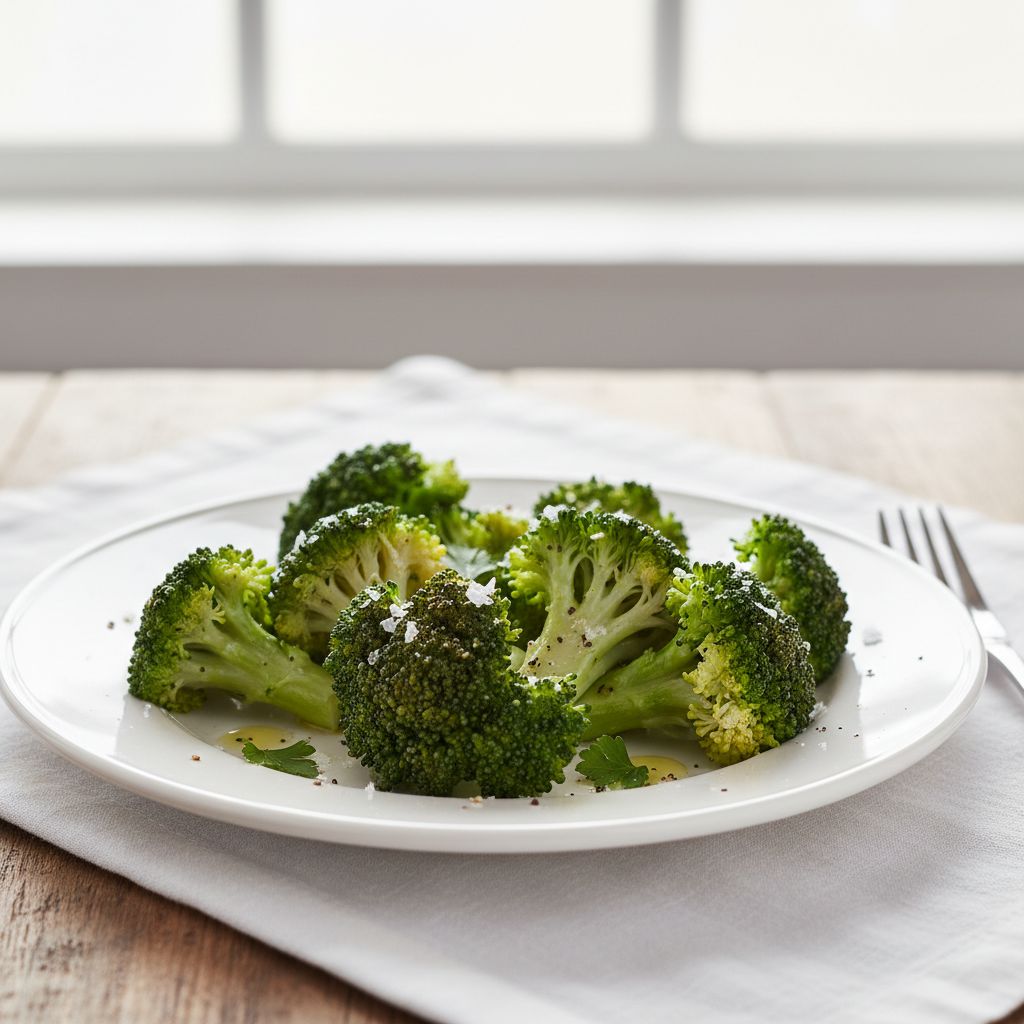
Recommended Anti-Inflammatory Foods
These foods have been shown to help reduce inflammation associated with eczema.
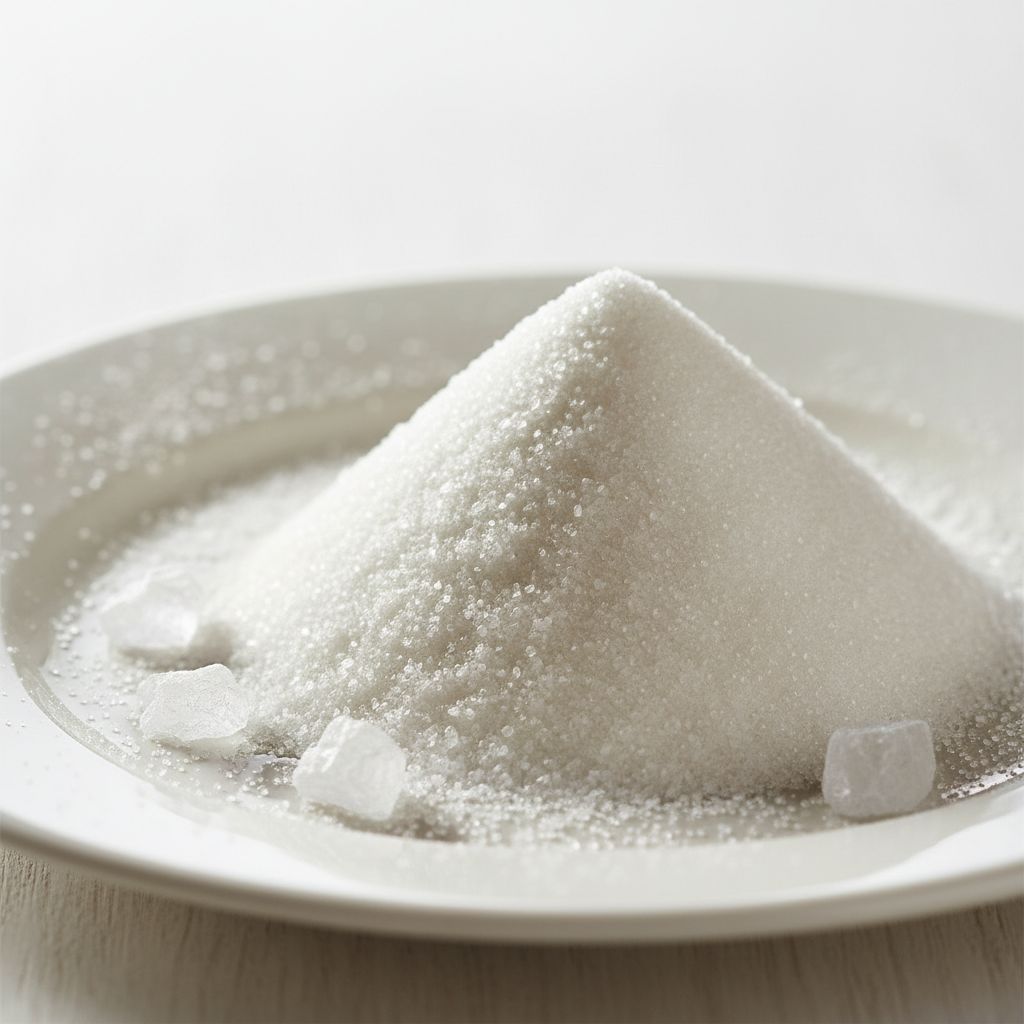
Foods to Avoid
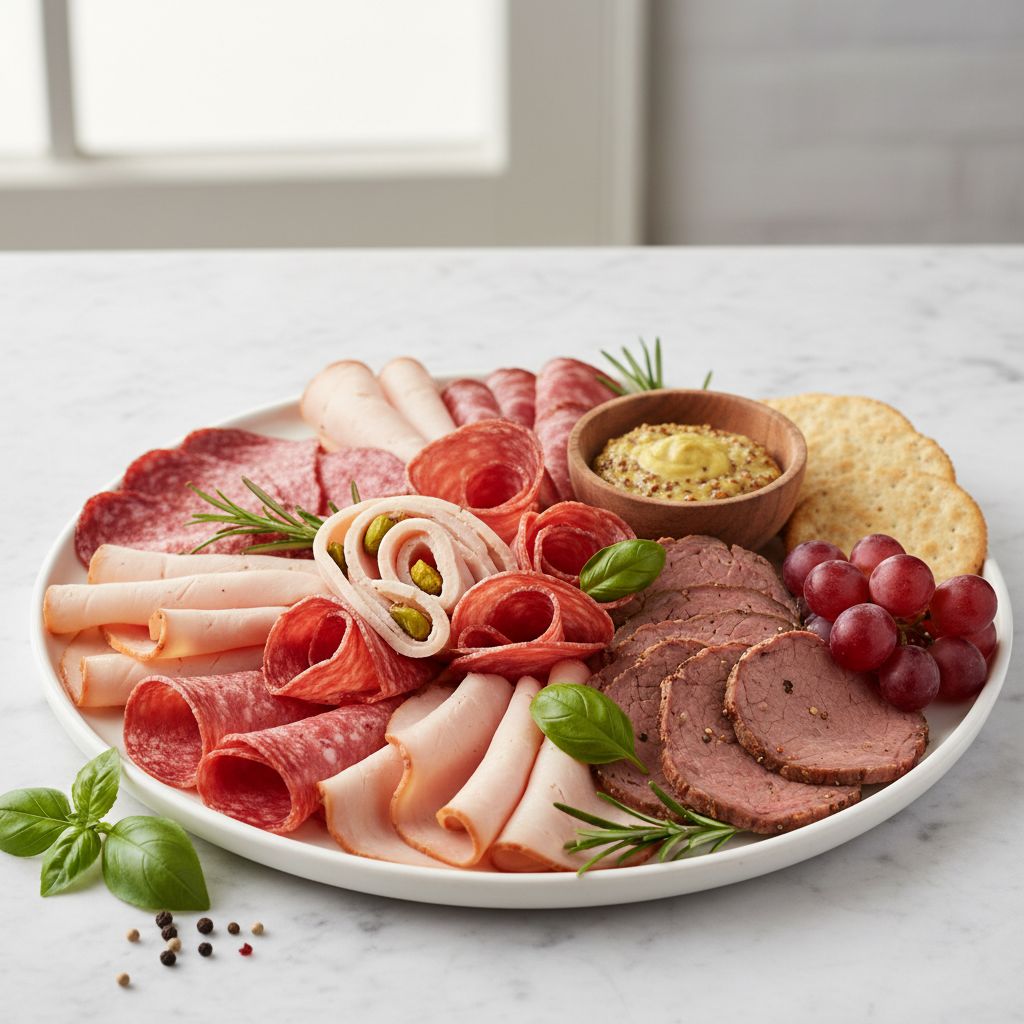
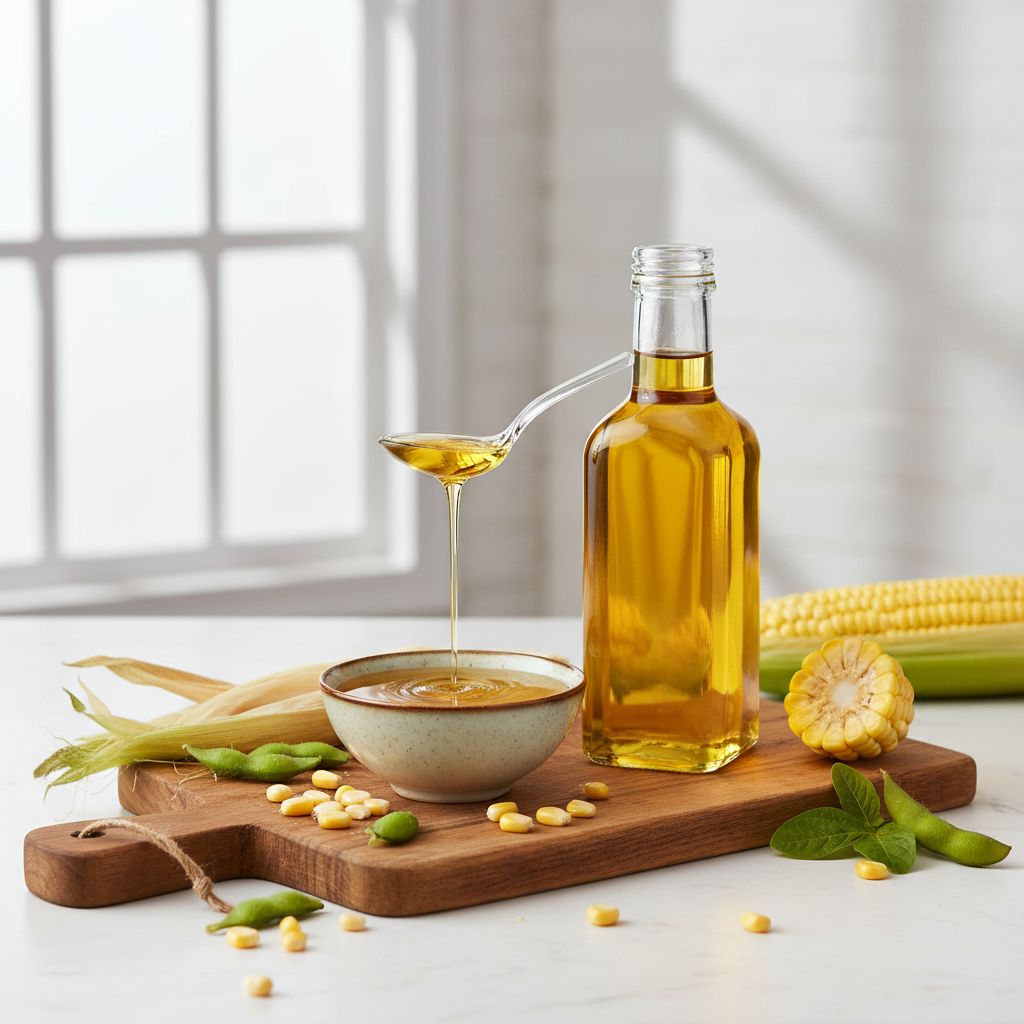
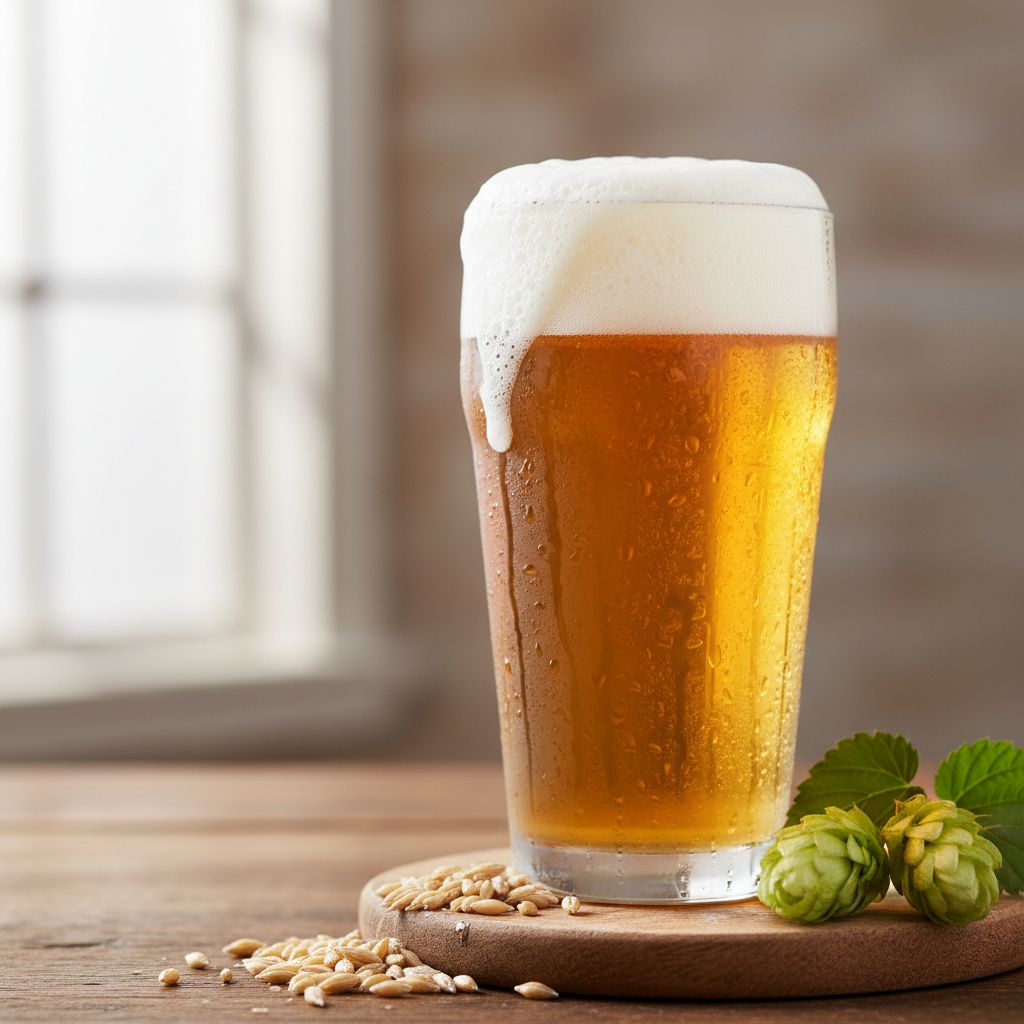
These inflammatory foods can worsen eczema symptoms and should be limited or eliminated.





Free · iOS & Android
Scan any food, get its inflammation score in 2 seconds
Free AI scanner. Works in the supermarket, restaurant, or your kitchen.


Dietary Tips for Eczema
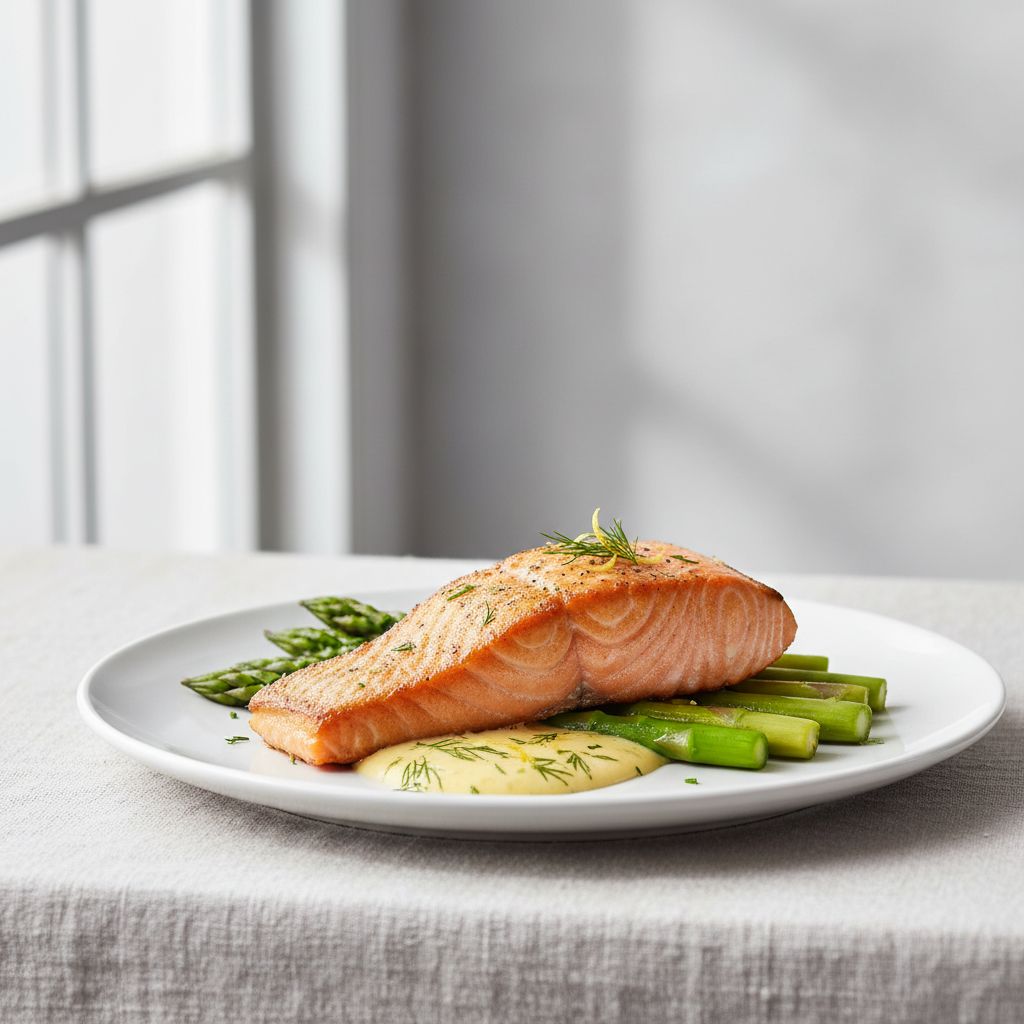
Eat omega-3-rich foods like salmon and hemp seeds to reduce skin inflammation from within.
Include probiotic-rich fermented foods like kimchi to support the gut-skin immune connection.
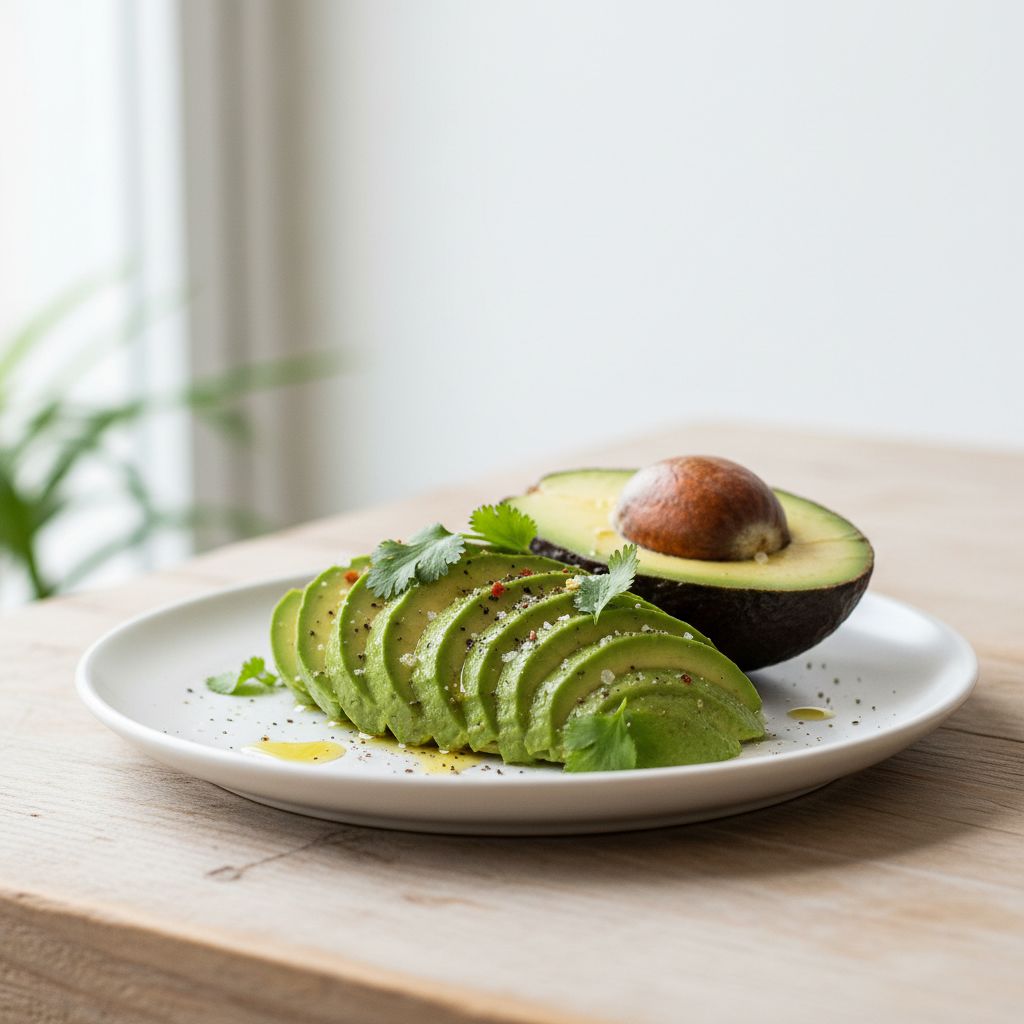
Consume vitamin E-rich foods like avocado and almonds to protect skin cell membranes.
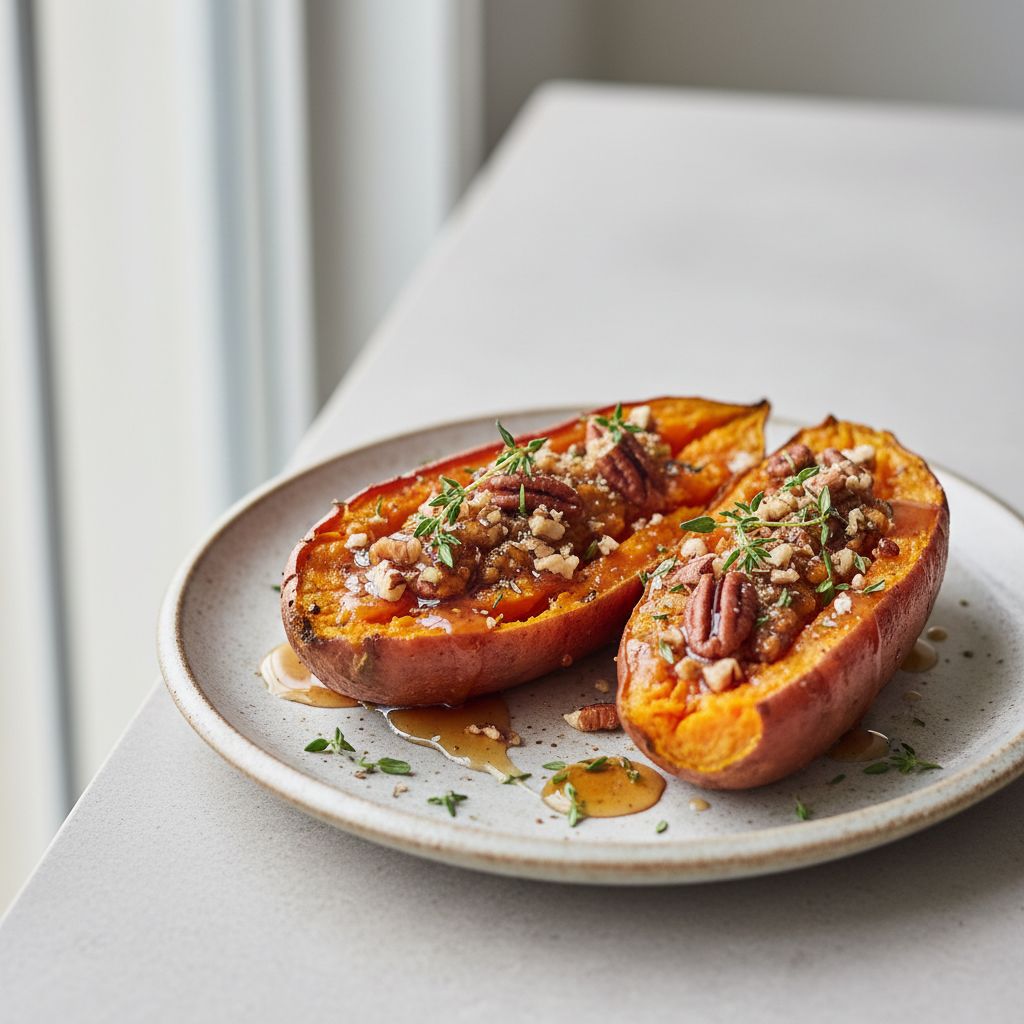
Eat beta-carotene-rich foods like sweet potato to support skin barrier repair and healing.
Keep a detailed food diary to identify personal eczema triggers, as they vary significantly.
Avoid processed foods with artificial preservatives and colorings that can trigger flare-ups.
Frequently Asked Questions
Can an anti-inflammatory diet help eczema?
Yes, research shows that anti-inflammatory diets can reduce eczema severity by 40-60%. Key strategies include increasing omega-3 fatty acid intake, healing the gut with fermented foods and bone broth, and eliminating personal food triggers. Many patients notice reduced itching and fewer flare-ups within 4-6 weeks of dietary changes.
What foods trigger eczema flare-ups?
Common eczema trigger foods include dairy, eggs, gluten, soy, nuts (for some people), processed foods with artificial additives, sugar, and alcohol. However, triggers are highly individual. An elimination diet supervised by a healthcare provider is the gold standard for identifying your personal triggers.
How does gut health affect eczema?
The gut-skin axis is a well-documented connection. An imbalanced gut microbiome and leaky gut increase systemic inflammation that manifests as skin inflammation. Studies show that probiotics and gut-healing foods can improve eczema symptoms, and children with diverse gut bacteria have lower rates of eczema. Healing the gut is often the foundation of dietary eczema management.
Educational content. Not medical advice.
Information on this page is for educational purposes only. It is not a substitute for professional medical advice, diagnosis, or treatment. Consult your healthcare provider before changing your diet, especially if you have a medical condition, take medications, or are pregnant or breastfeeding. Read the full disclaimer.
Scan a food in 2 seconds. Know if it's healing or hurting you.
Point your camera at any meal, ingredient, or label. Get an instant inflammation score, the science behind it, and better alternatives. All free.