Anti-Inflammatory Diet for Healthy Aging
The foods, tips, and strategies to manage healthy aging through anti-inflammatory eating.
Understanding Healthy Aging & Inflammation
"Inflammaging" is a scientific term describing the chronic, low-grade inflammation that accumulates with age and is now recognized as the primary driver of virtually all age-related diseases and degenerative processes. This persistent inflammatory state accelerates cellular aging, shortens telomeres (protective caps on DNA), impairs stem cell function, and promotes the accumulation of senescent (zombie) cells that secrete inflammatory chemicals.
An anti-inflammatory diet is arguably the most powerful anti-aging intervention available. Research on centenarians (people who live past 100) consistently shows that they have lower inflammatory markers than their shorter-lived peers, and their diets are rich in the anti-inflammatory foods found in Mediterranean and Okinawan dietary traditions. Caloric restriction and fasting, which powerfully reduce inflammation, are also linked to longevity in both animal and human studies.
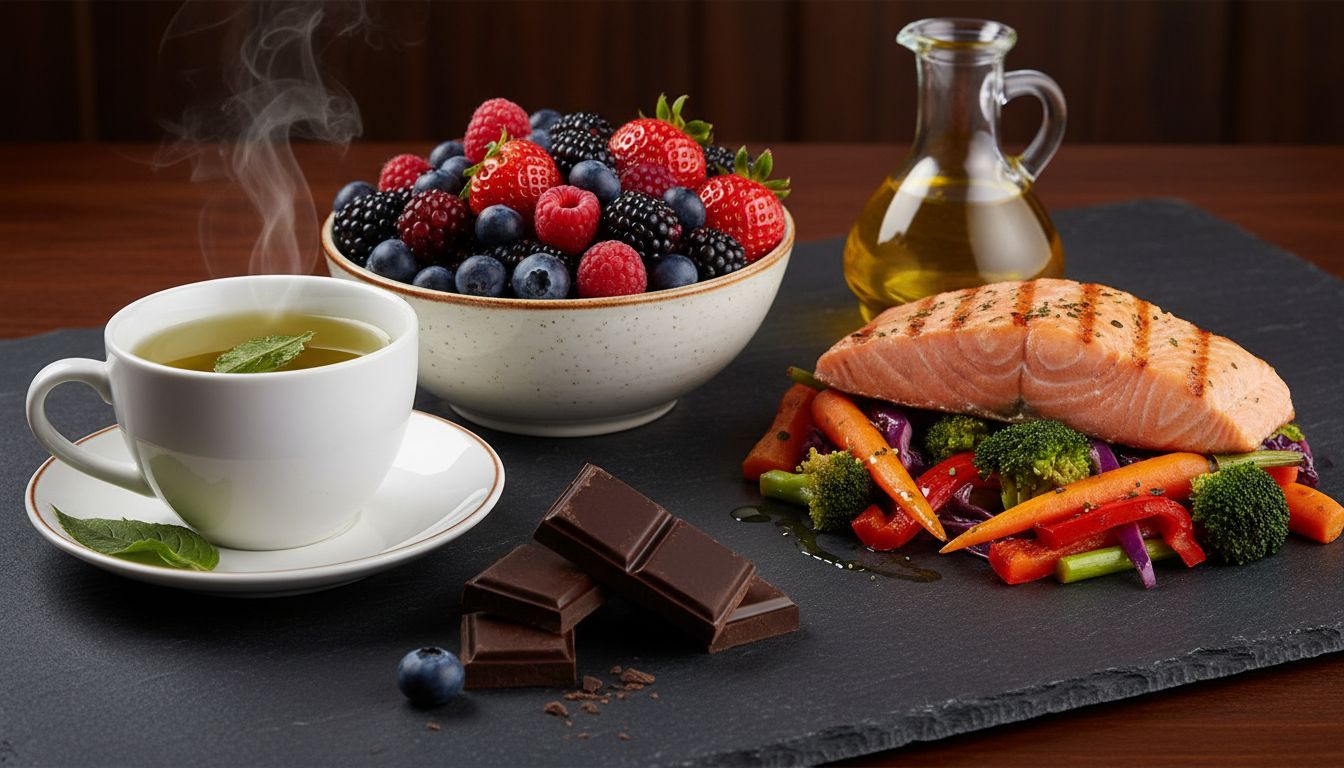
The anti-inflammatory approach to healthy aging focuses on consuming foods rich in polyphenols, antioxidants, and omega-3 fatty acids that combat oxidative stress and cellular damage. Key strategies include eating colorful plant foods for their diverse antioxidant profiles, prioritizing healthy fats over inflammatory fats, including adequate protein for muscle maintenance, and minimizing processed foods that accelerate cellular aging through advanced glycation end-products (AGEs).
Common Symptoms
Recommended Anti-Inflammatory Foods
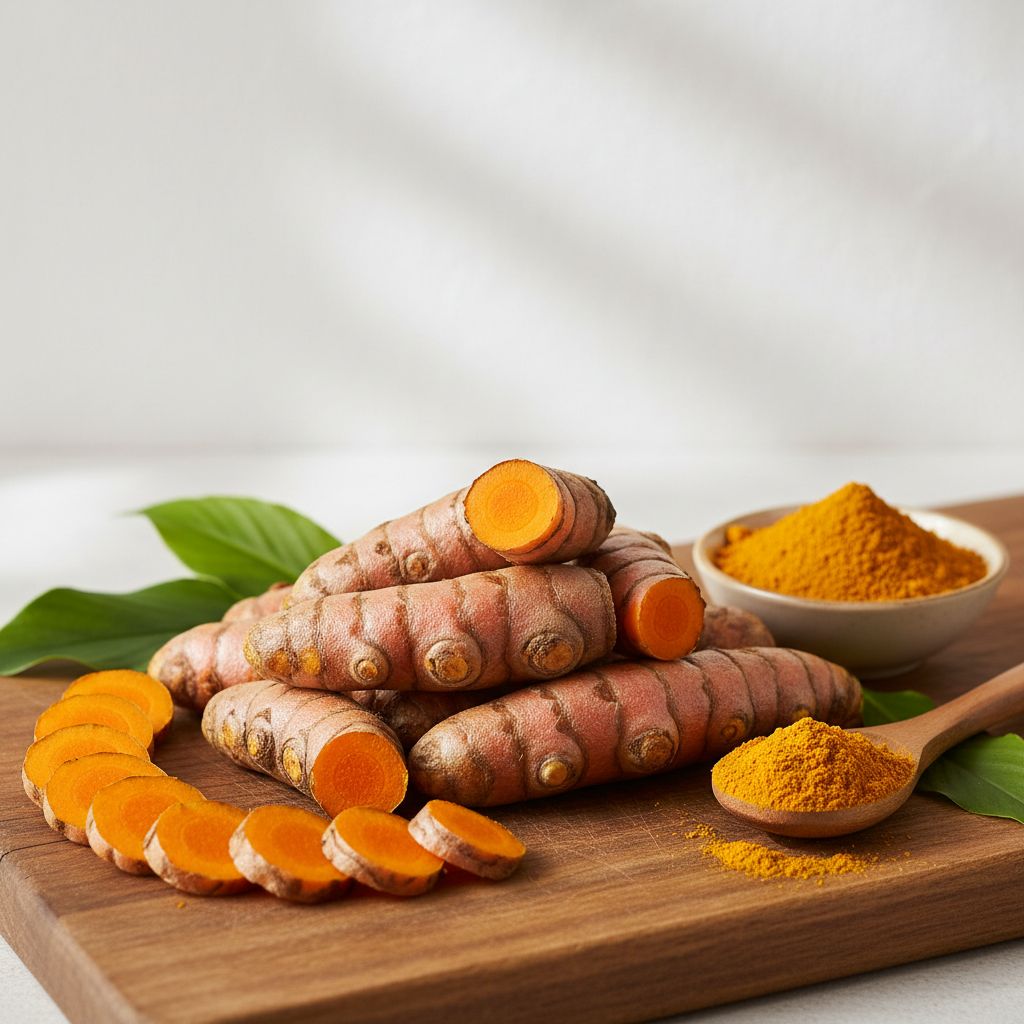
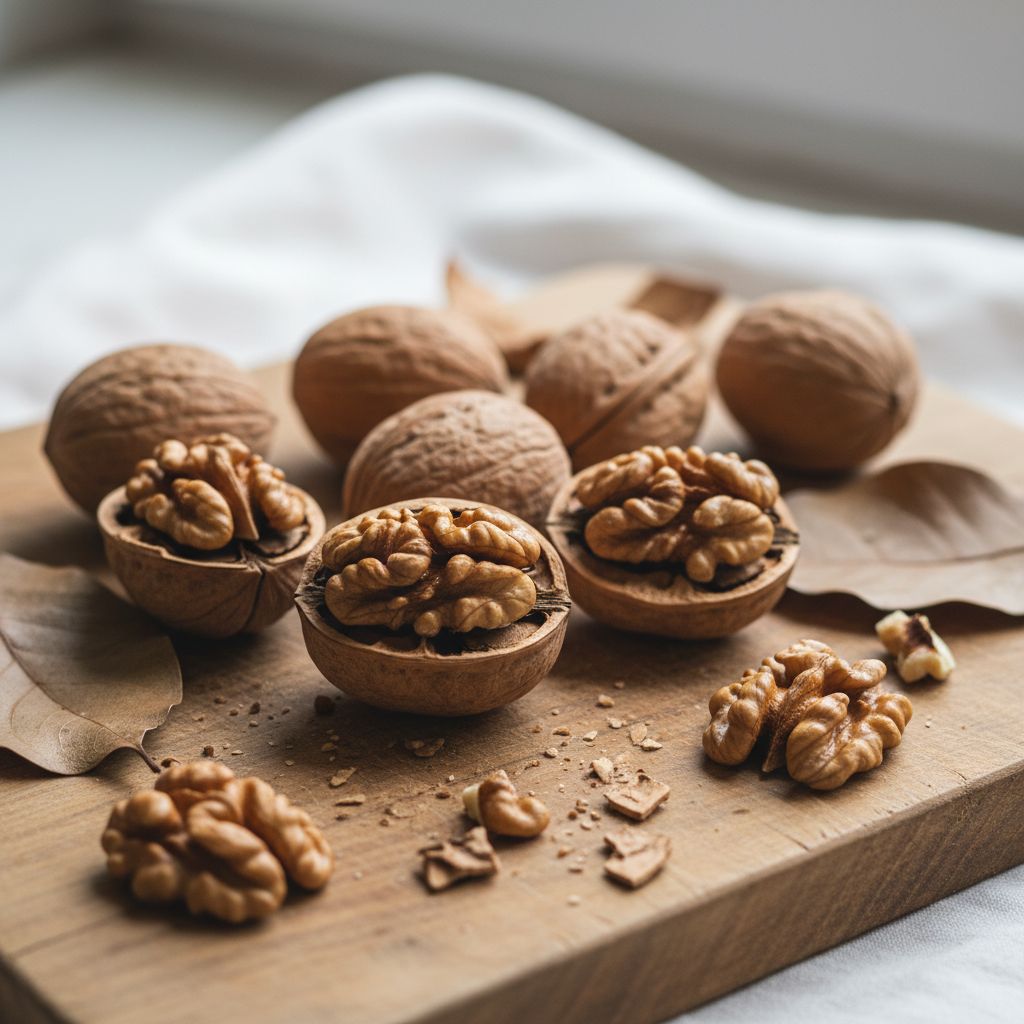
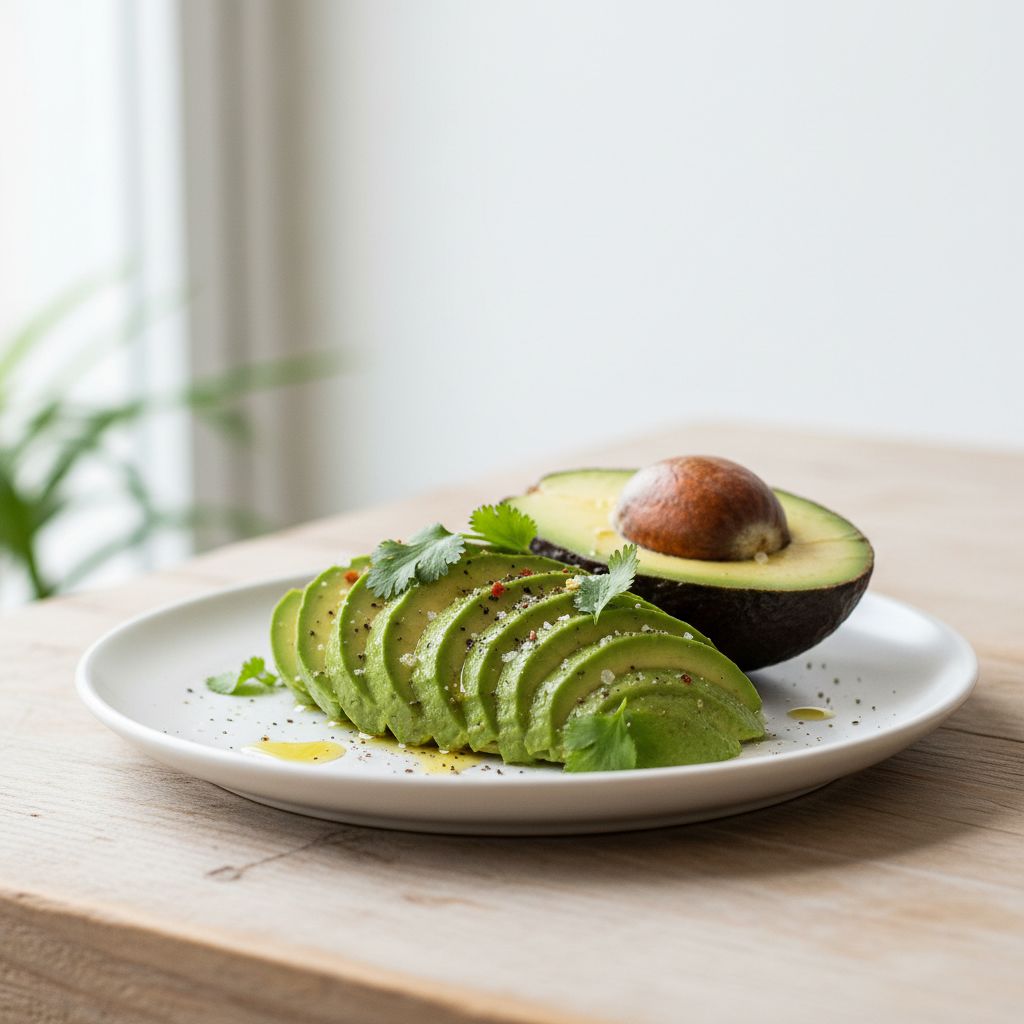
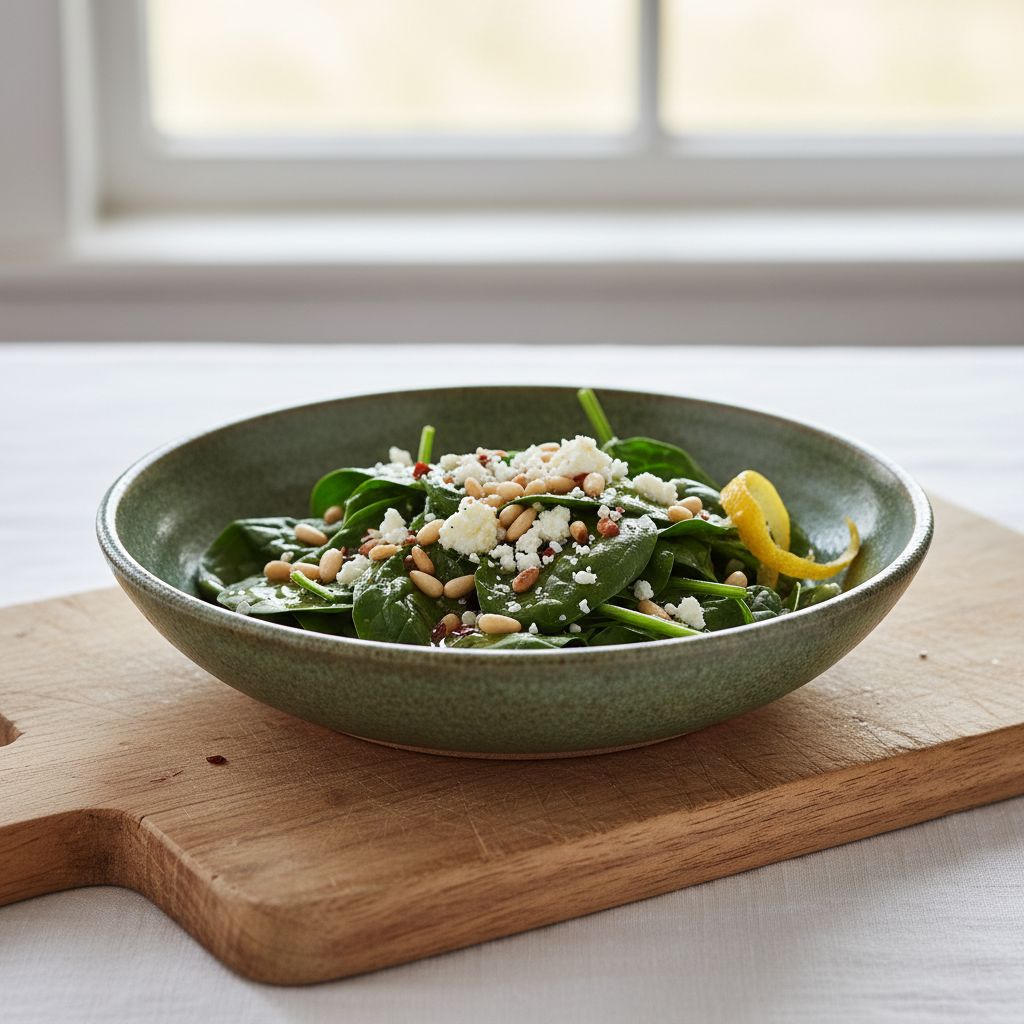
These foods have been shown to help reduce inflammation associated with healthy aging.
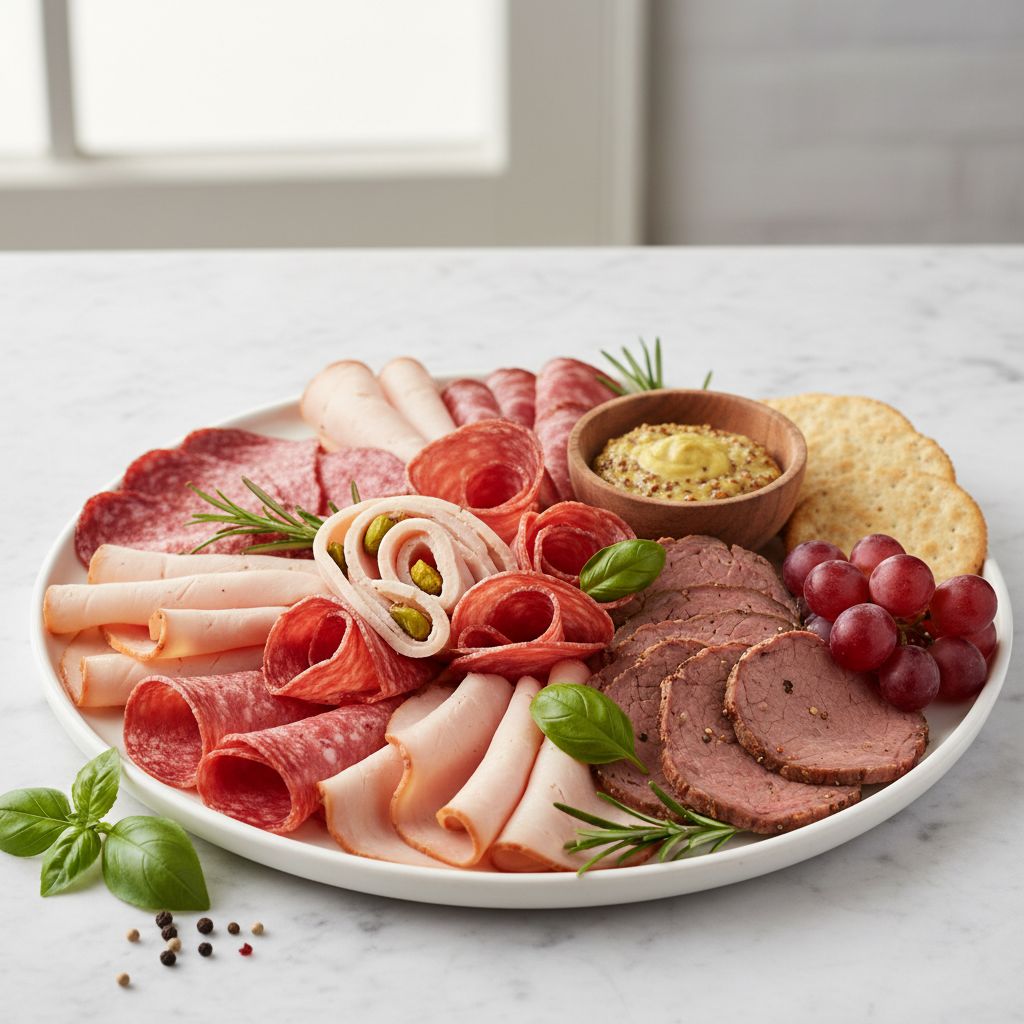
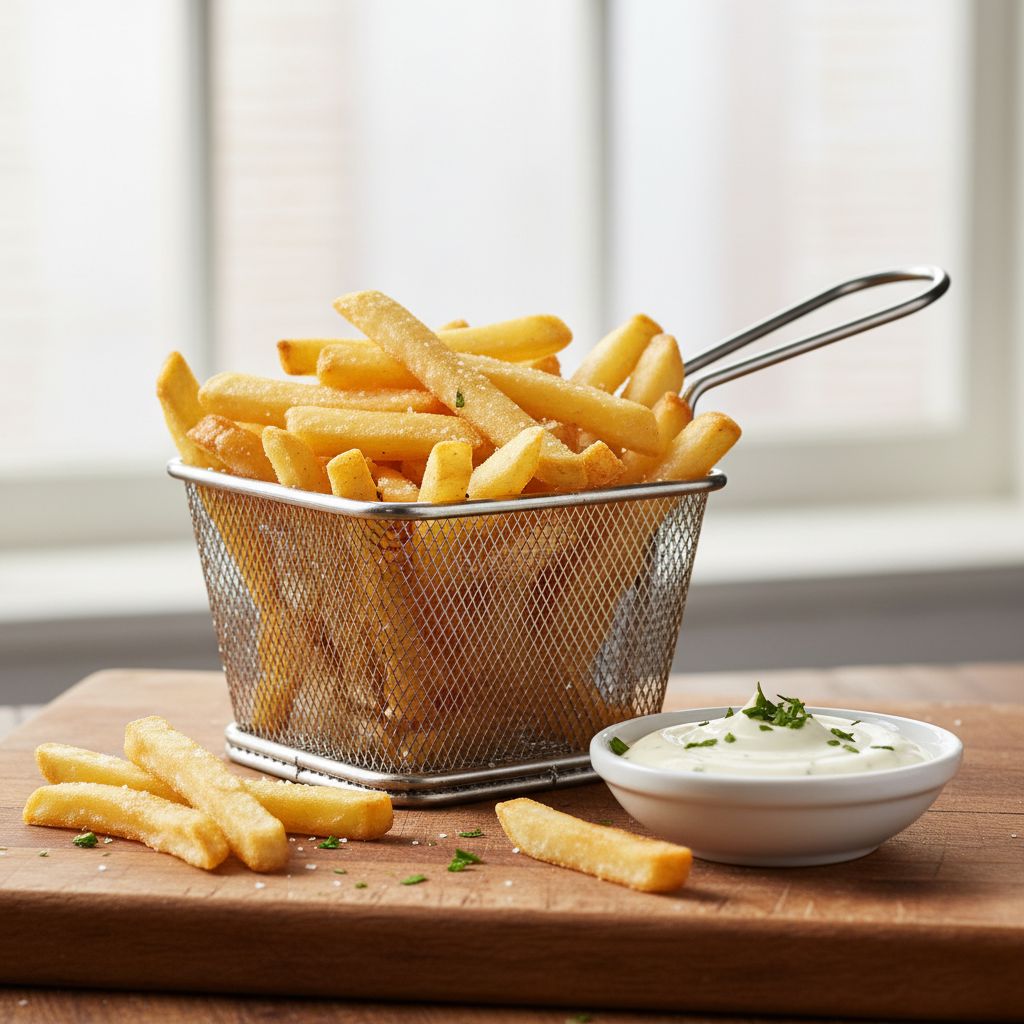
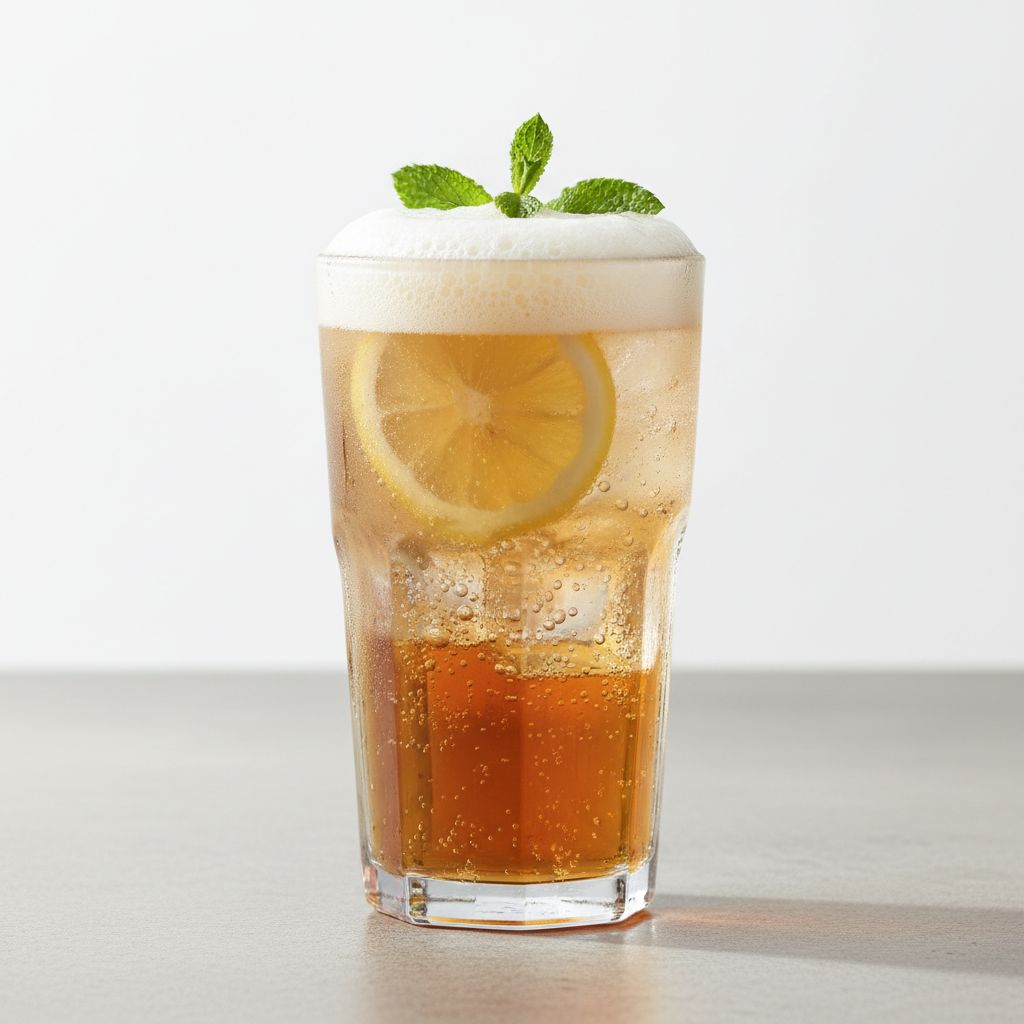
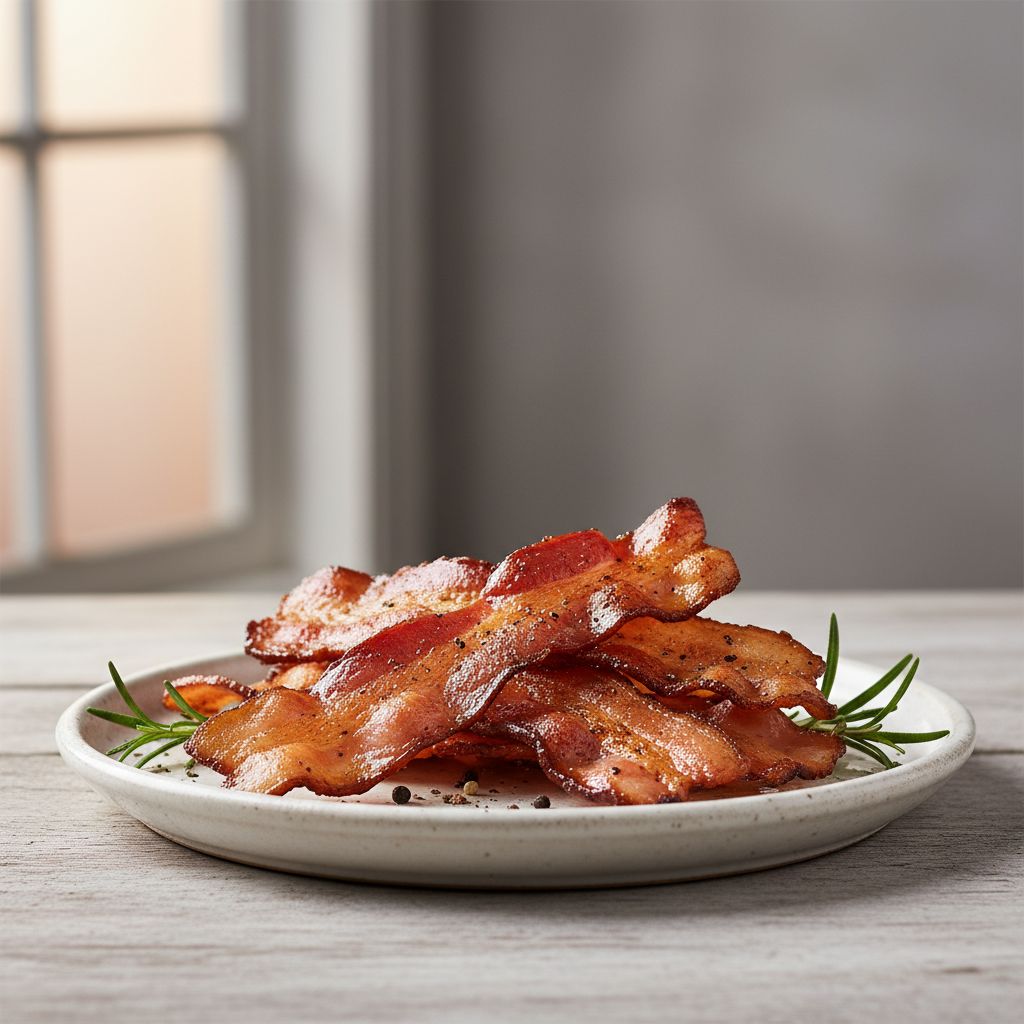
Foods to Avoid
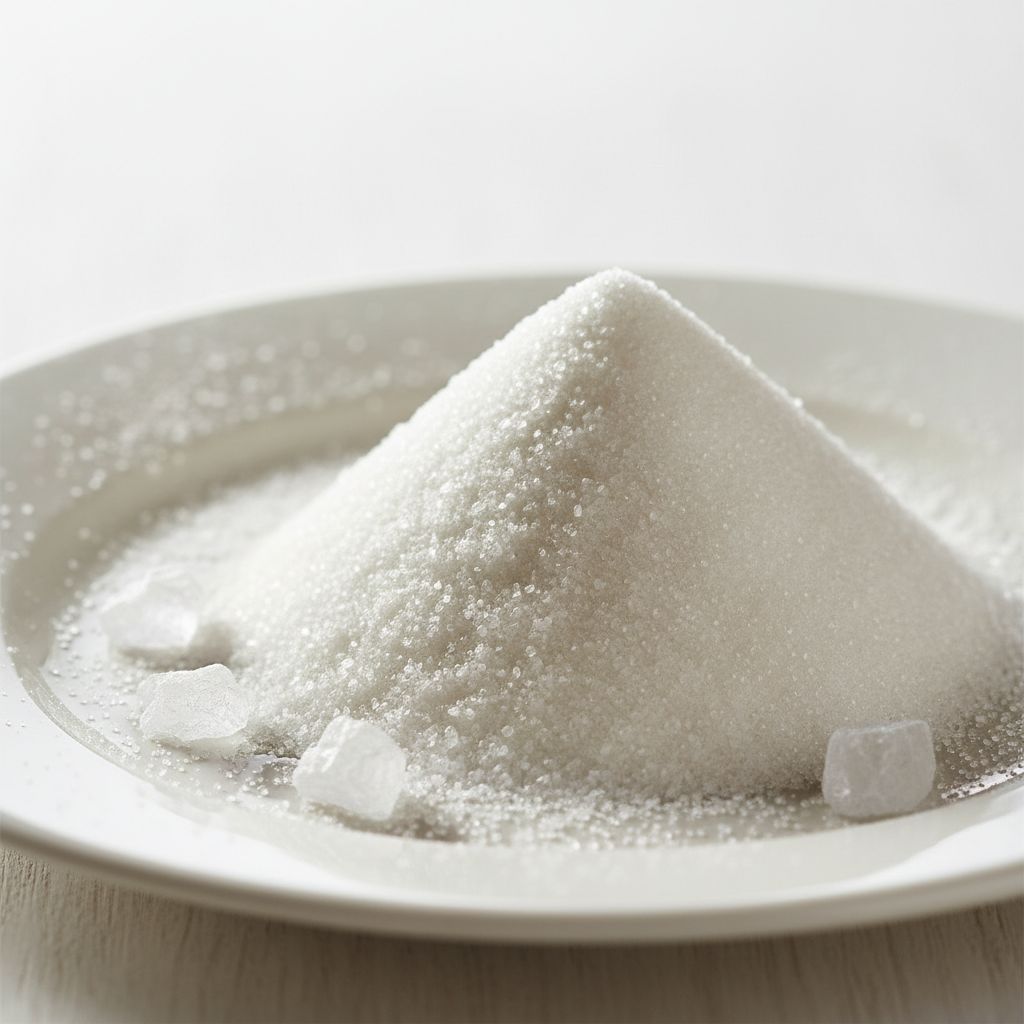
These inflammatory foods can worsen healthy aging symptoms and should be limited or eliminated.



Free · iOS & Android
Scan any food, get its inflammation score in 2 seconds
Free AI scanner. Works in the supermarket, restaurant, or your kitchen.


Dietary Tips for Healthy Aging
Eat a wide variety of colorful fruits and vegetables daily for diverse antioxidant protection.
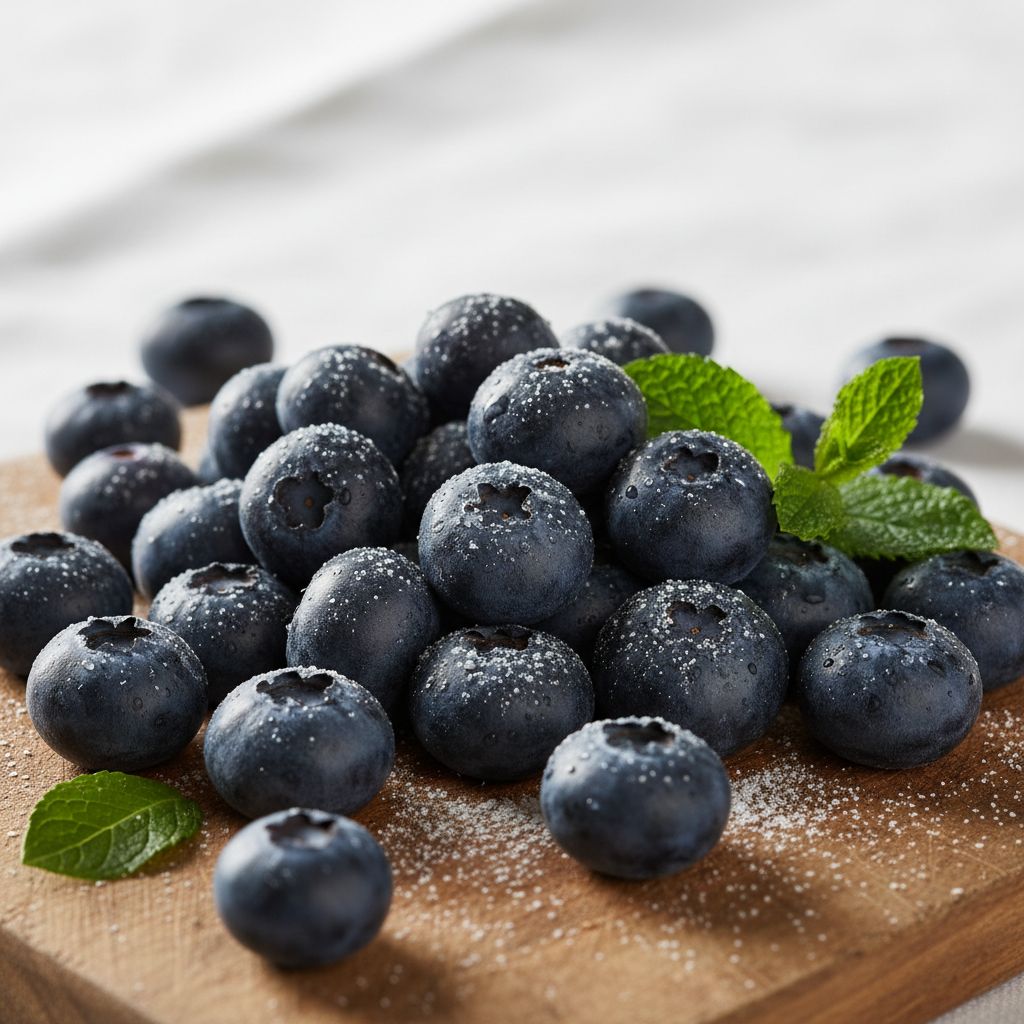
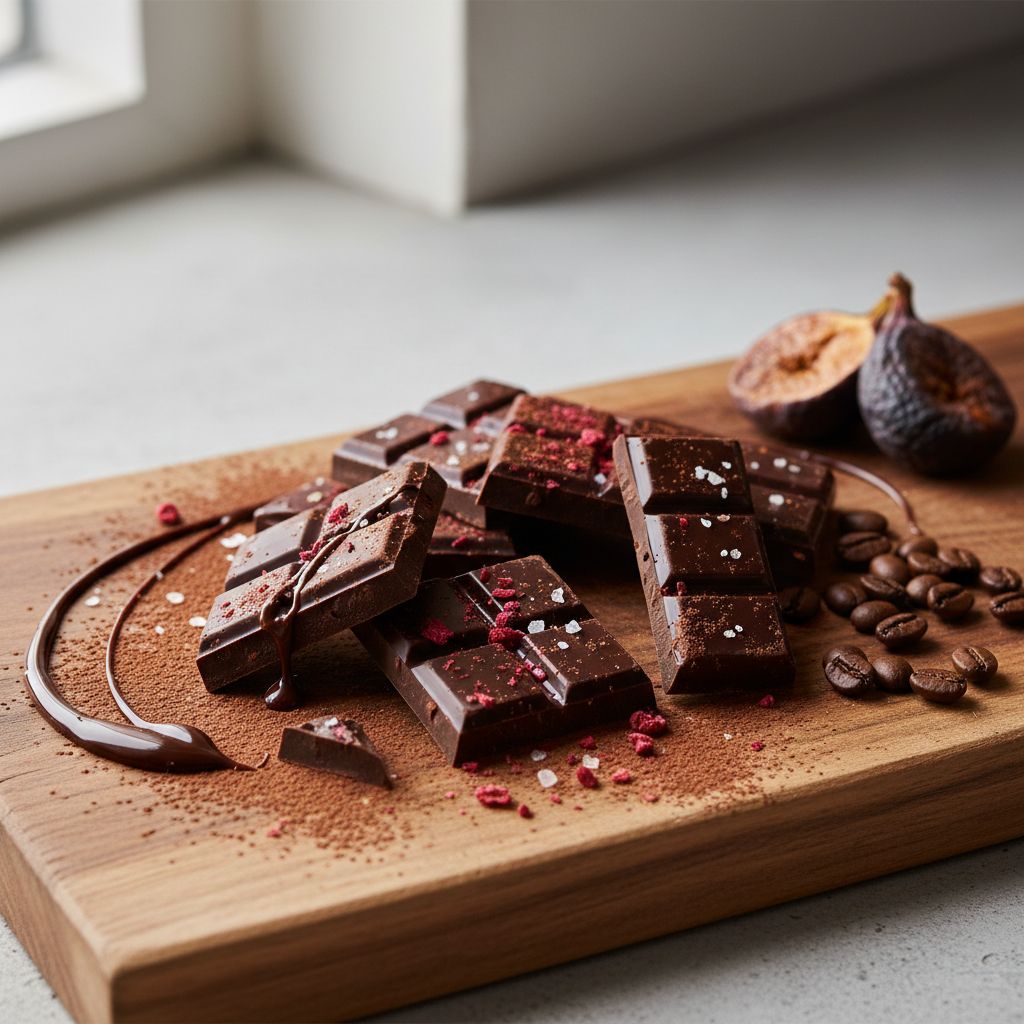
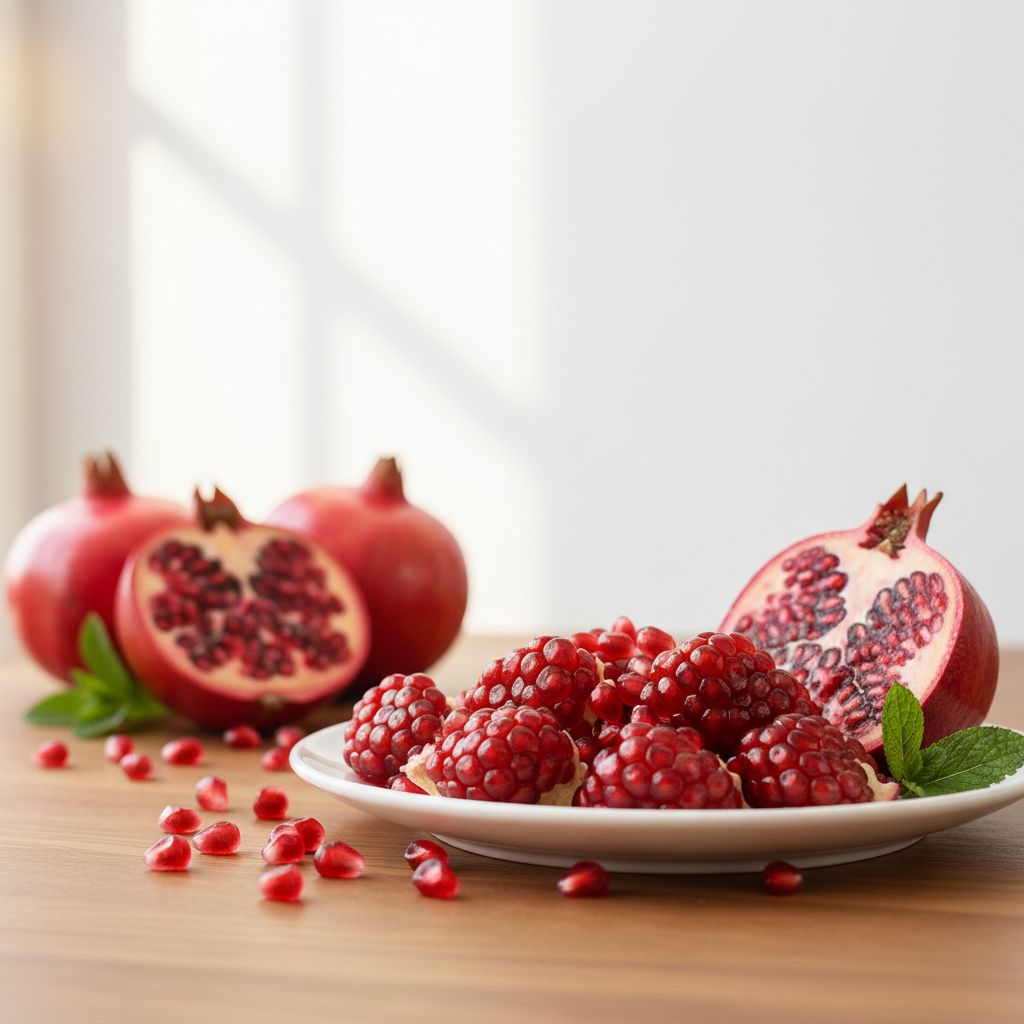
Include polyphenol-rich foods like blueberries, pomegranate, and dark chocolate to combat cellular aging.
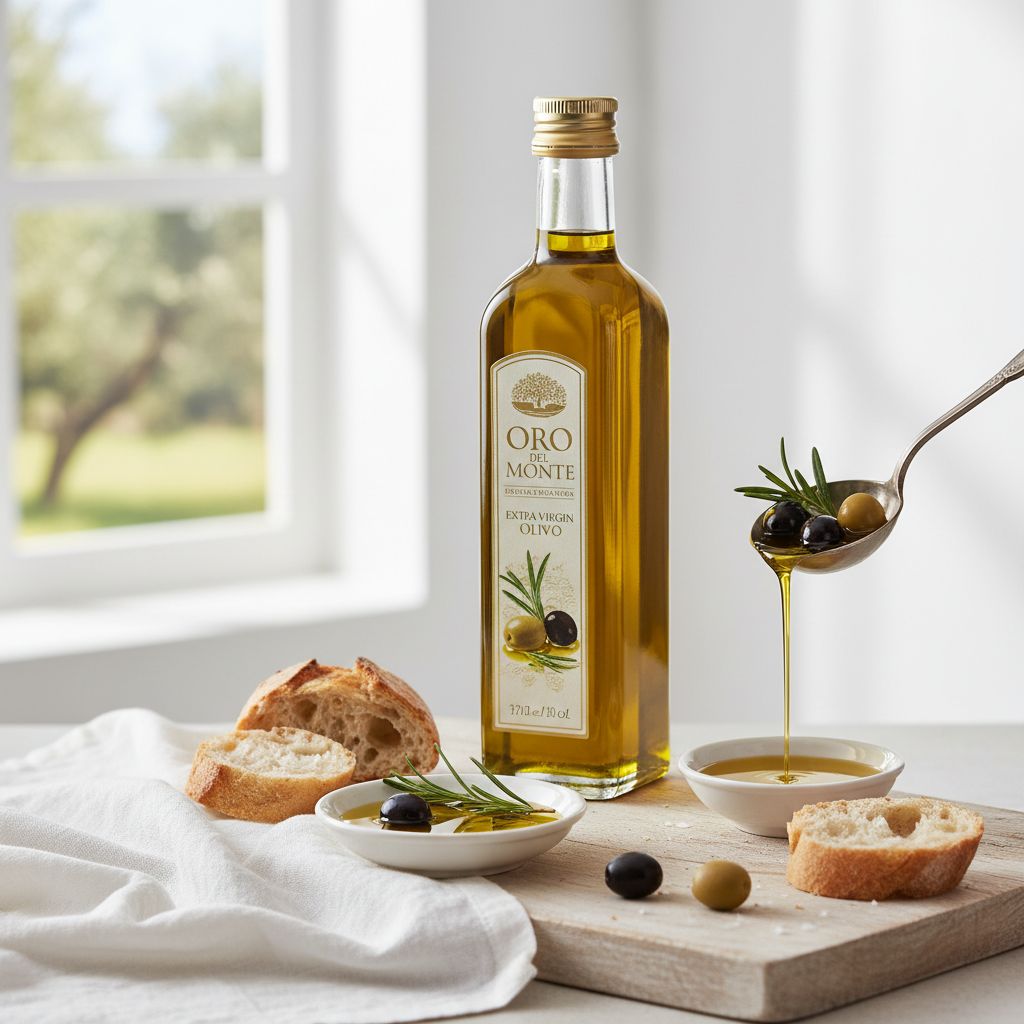
Use extra virgin olive oil as your primary fat source — it is a cornerstone of longevity diets worldwide.
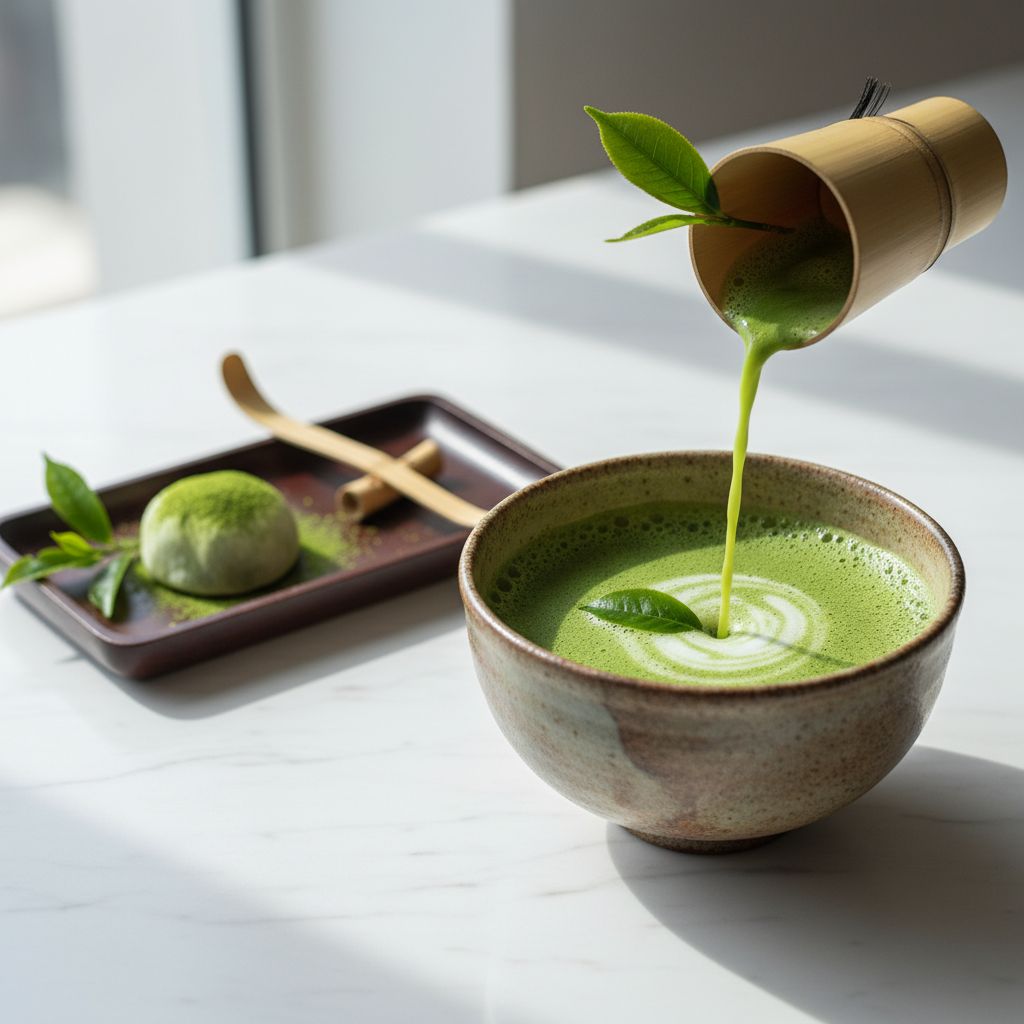
Drink green tea daily for its EGCG catechins that activate longevity pathways and reduce oxidative stress.
Minimize processed foods and refined sugar, which create AGEs that accelerate tissue aging.
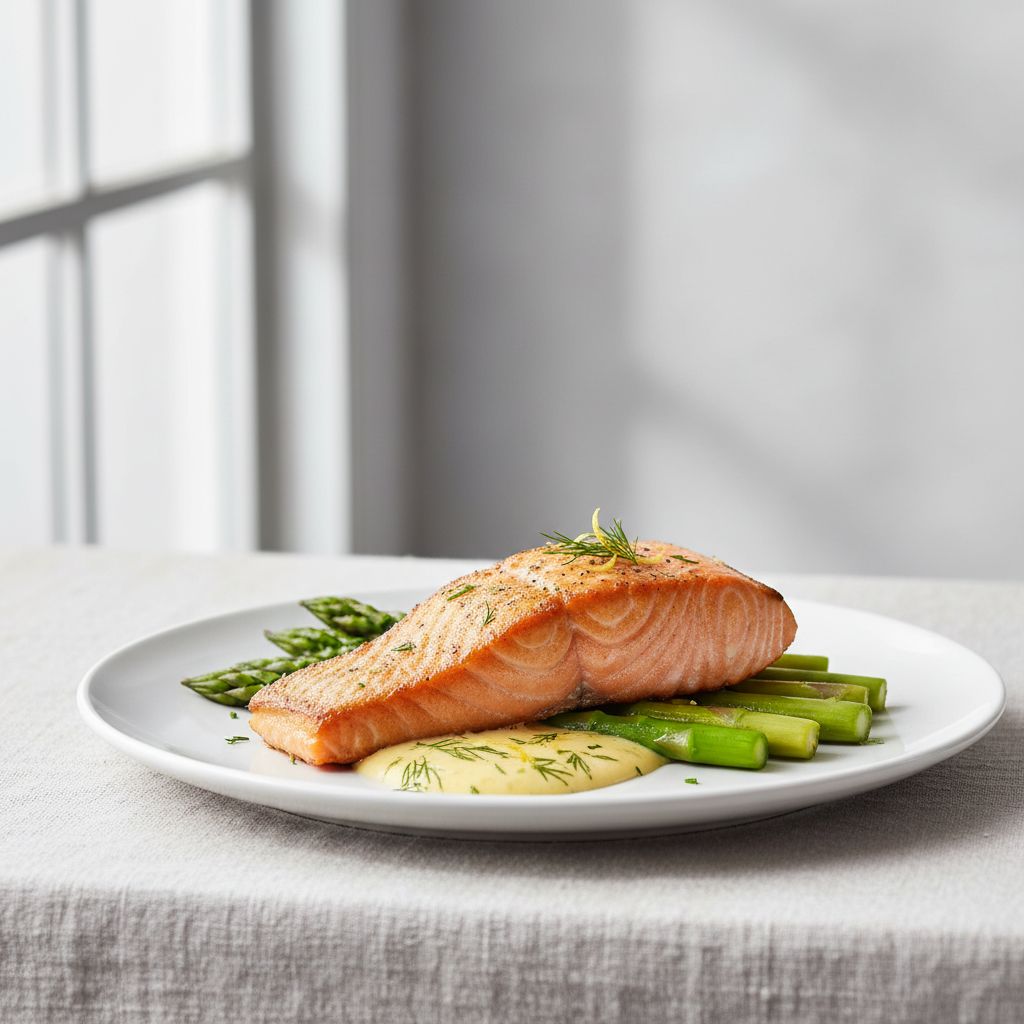
Eat adequate protein from fish, legumes, and eggs to maintain muscle mass and prevent sarcopenia.
Frequently Asked Questions
Can an anti-inflammatory diet slow aging?
Yes, extensive research supports the role of anti-inflammatory diets in slowing biological aging. Studies on Mediterranean and Okinawan diets show that people following these anti-inflammatory dietary patterns have longer telomeres, lower inflammatory markers, and significantly lower rates of age-related diseases. The polyphenols, antioxidants, and omega-3s in these diets protect cells from the inflammatory damage that drives aging.
What are the best anti-aging foods?
The top anti-aging foods include blueberries (anthocyanins protect brain and skin), salmon (omega-3s reduce cellular inflammation), extra virgin olive oil (polyphenols activate longevity genes), green tea (EGCG promotes autophagy), dark chocolate (flavonoids improve cardiovascular health), and pomegranate (urolithin A promotes mitochondrial health). These foods are staples in the world's Blue Zone longevity diets.
What is inflammaging?
Inflammaging is the chronic, low-grade inflammation that increases with age and drives virtually all age-related diseases. It results from accumulated immune system activation, cellular damage, gut microbiome changes, and lifestyle factors. An anti-inflammatory diet is the most evidence-based way to combat inflammaging by reducing inflammatory markers and supporting cellular repair mechanisms.
Educational content. Not medical advice.
Information on this page is for educational purposes only. It is not a substitute for professional medical advice, diagnosis, or treatment. Consult your healthcare provider before changing your diet, especially if you have a medical condition, take medications, or are pregnant or breastfeeding. Read the full disclaimer.
Scan a food in 2 seconds. Know if it's healing or hurting you.
Point your camera at any meal, ingredient, or label. Get an instant inflammation score, the science behind it, and better alternatives. All free.