Anti-Inflammatory Diet for Brain Health
The foods, tips, and strategies to manage brain health through anti-inflammatory eating.
Understanding Brain Health & Inflammation
Neuroinflammation — chronic inflammation in the brain — is now recognized as a key driver of cognitive decline, memory problems, brain fog, and neurodegenerative diseases like Alzheimer's and Parkinson's. The brain is particularly vulnerable to inflammatory damage because its high metabolic rate generates abundant free radicals, and once neuroinflammation takes hold, it can become self-perpetuating.
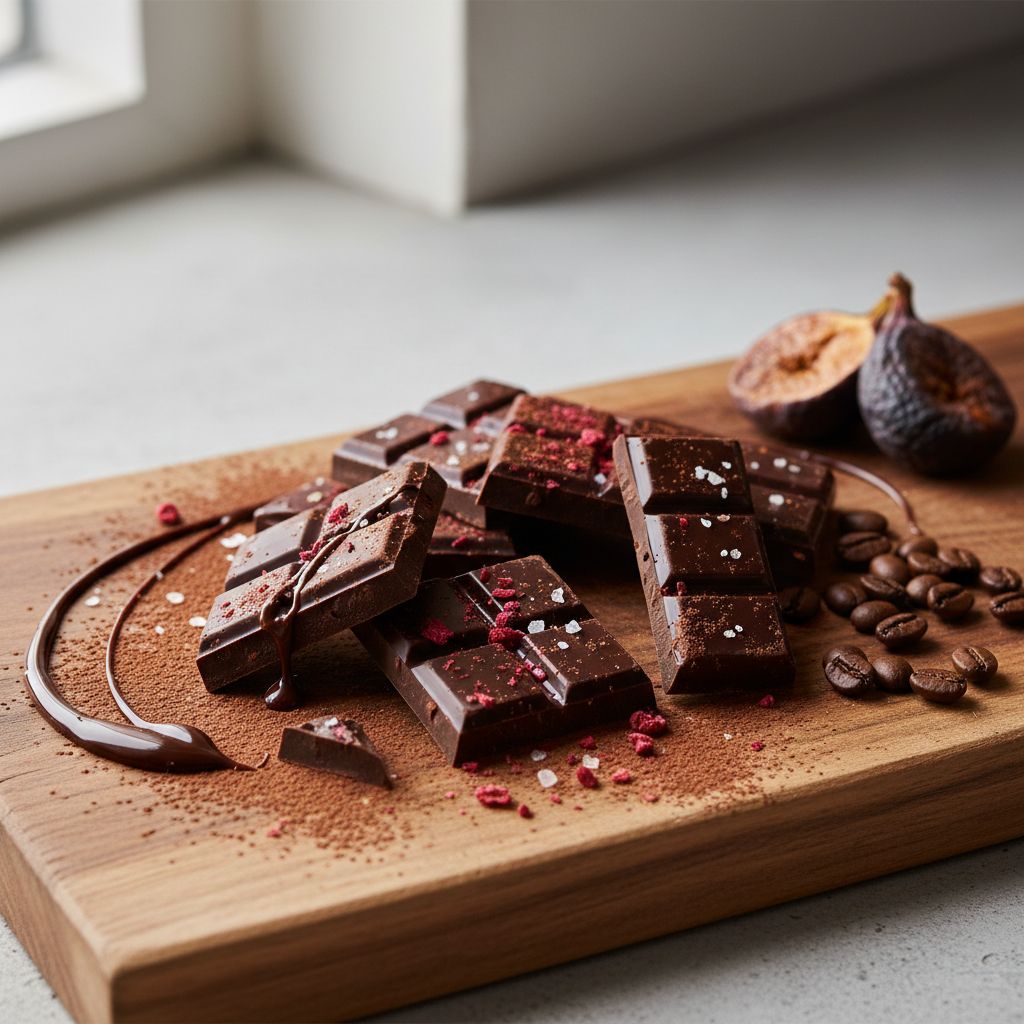
The foods you eat cross the blood-brain barrier and directly affect brain inflammation, neurotransmitter production, and neuroplasticity. Omega-3 fatty acids (especially DHA) are literal building blocks of brain cell membranes, while polyphenols from berries and dark chocolate protect neurons from oxidative stress. Conversely, diets high in sugar, processed foods, and unhealthy fats accelerate brain aging and cognitive decline.
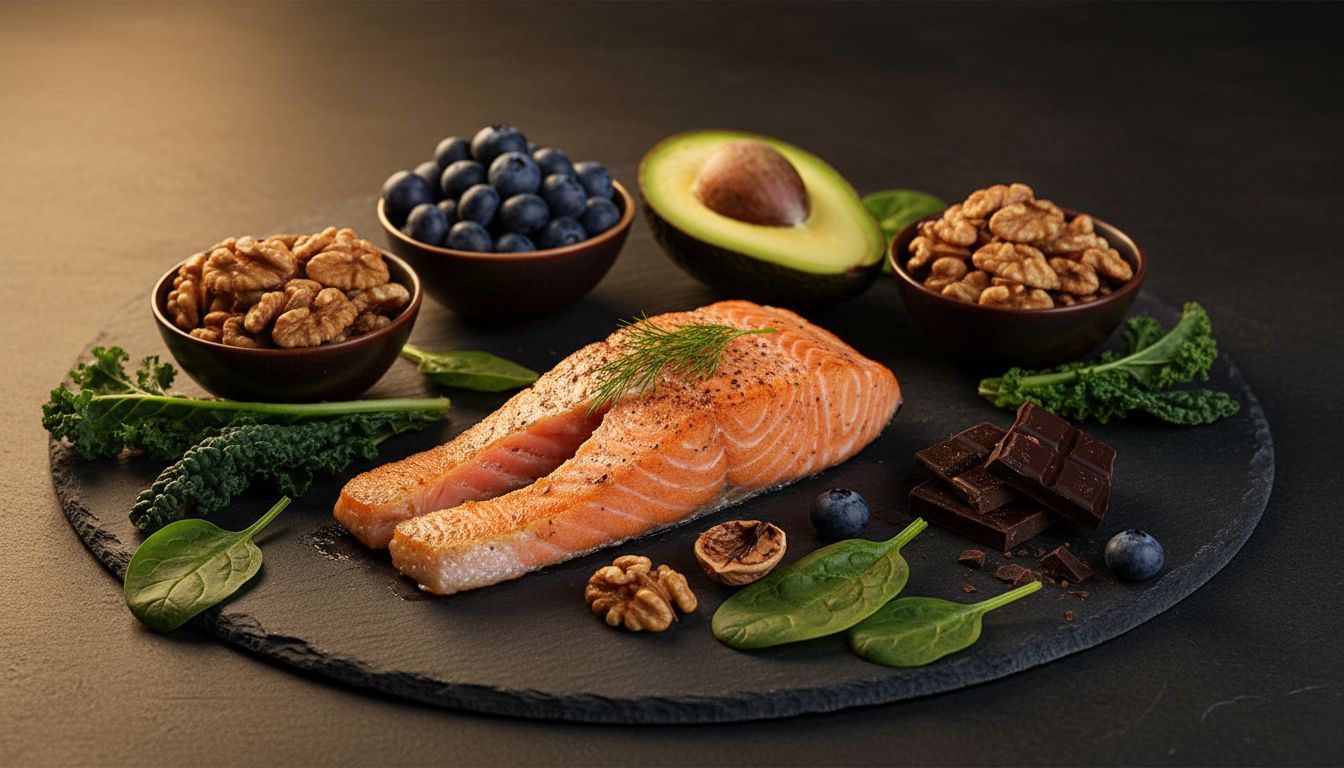
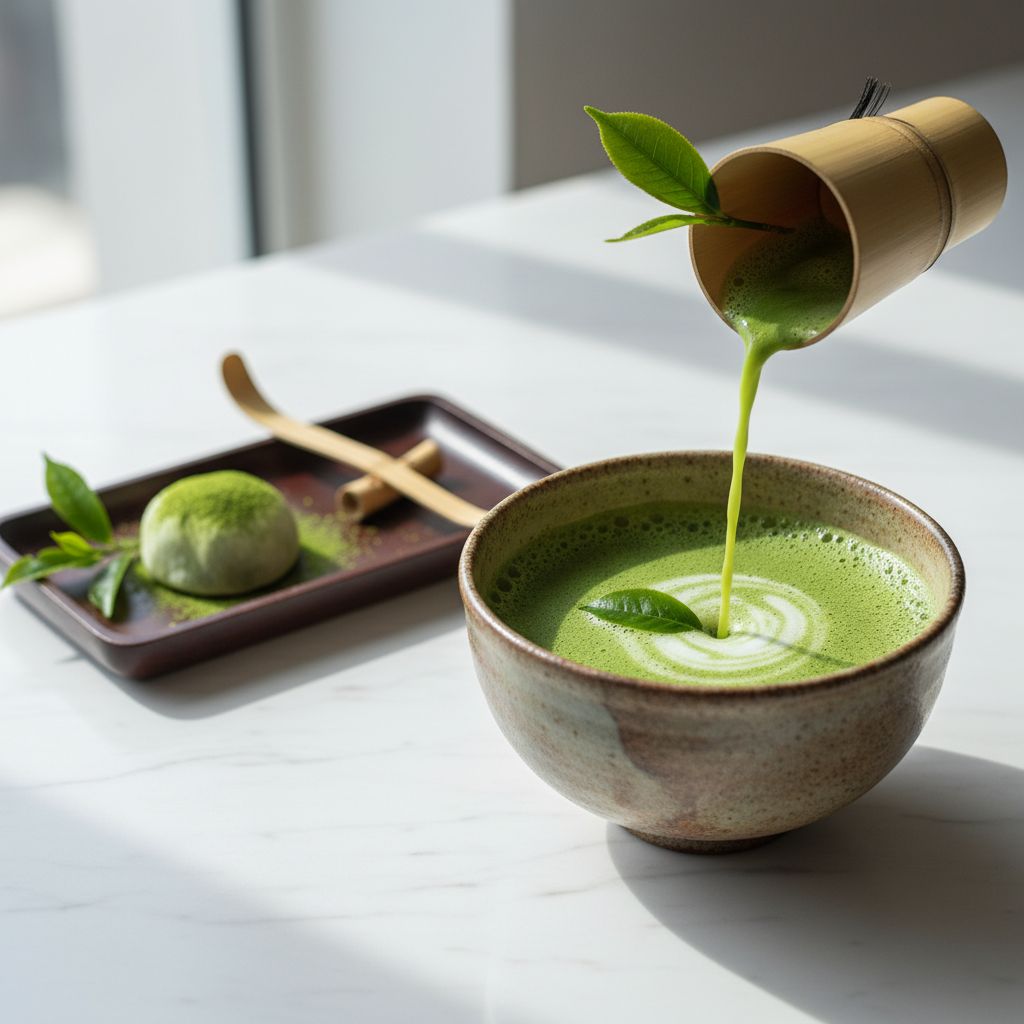
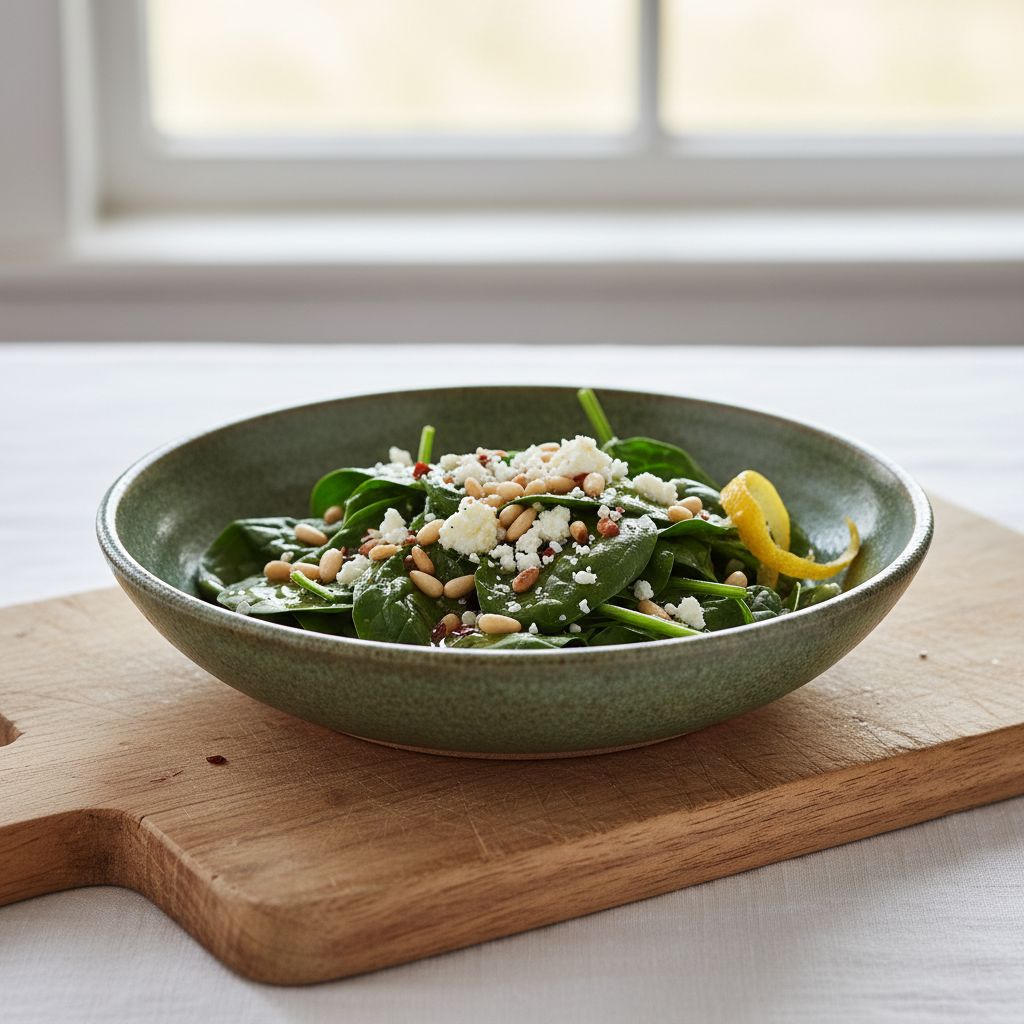
The MIND diet (Mediterranean-DASH Intervention for Neurodegenerative Delay) was specifically designed to protect the brain, and studies show it can reduce Alzheimer's risk by up to 53% when followed rigorously. Key brain-protective foods include fatty fish, berries, leafy greens, nuts, and green tea — all powerfully anti-inflammatory and rich in the specific nutrients your brain needs to thrive.
Common Symptoms
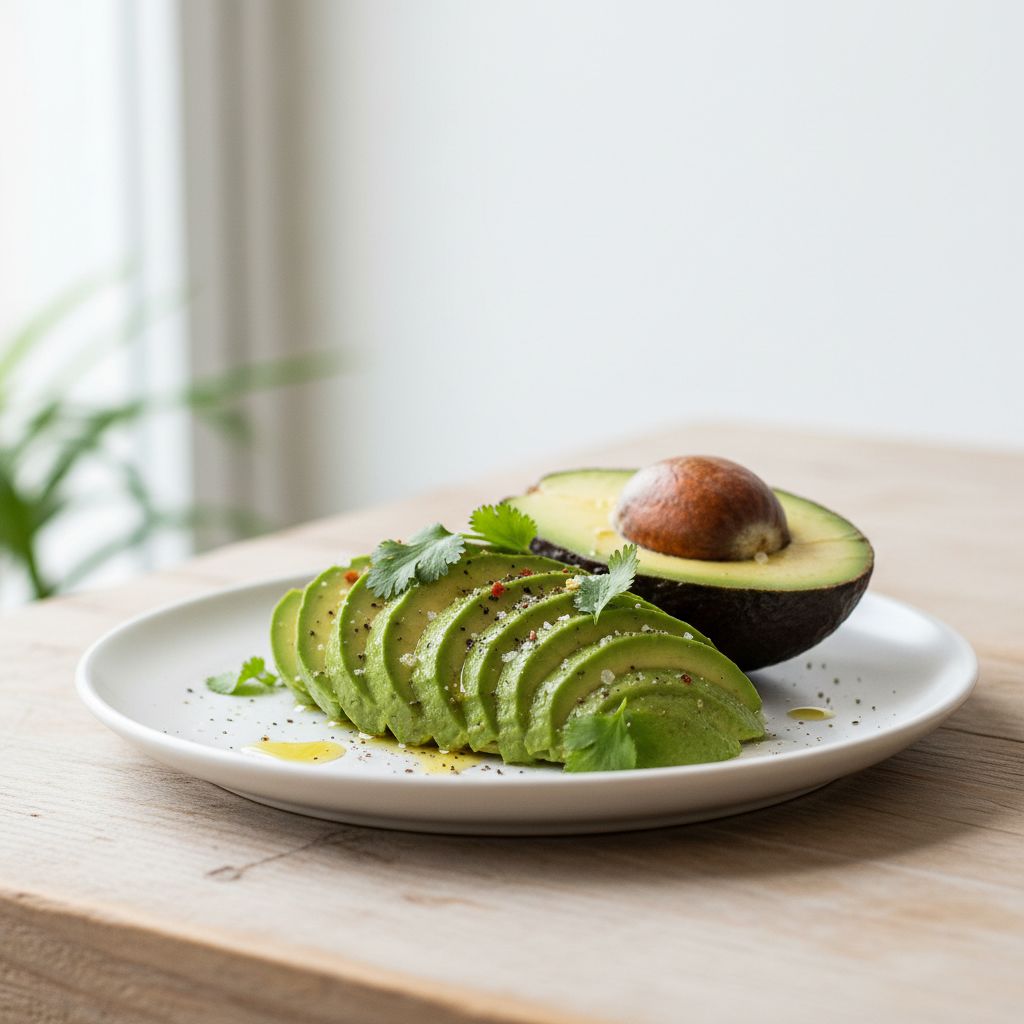
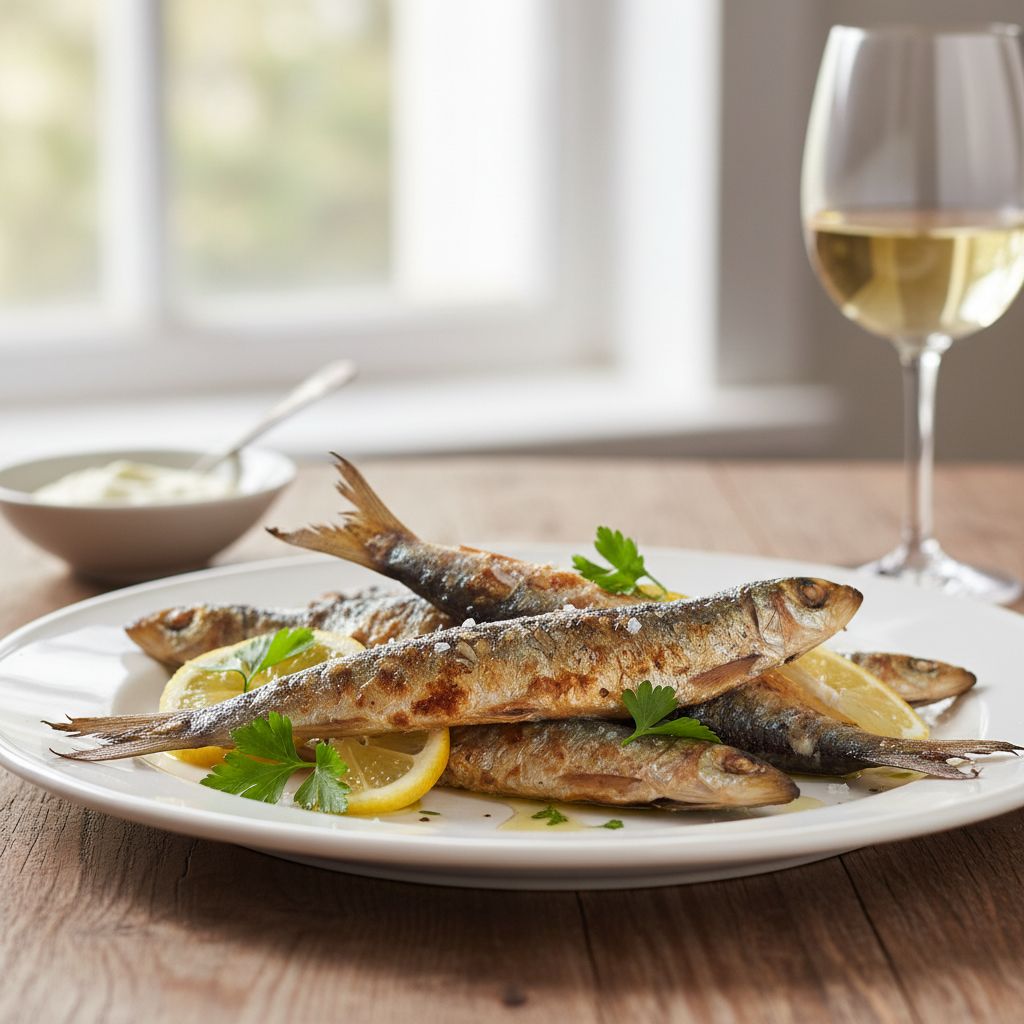
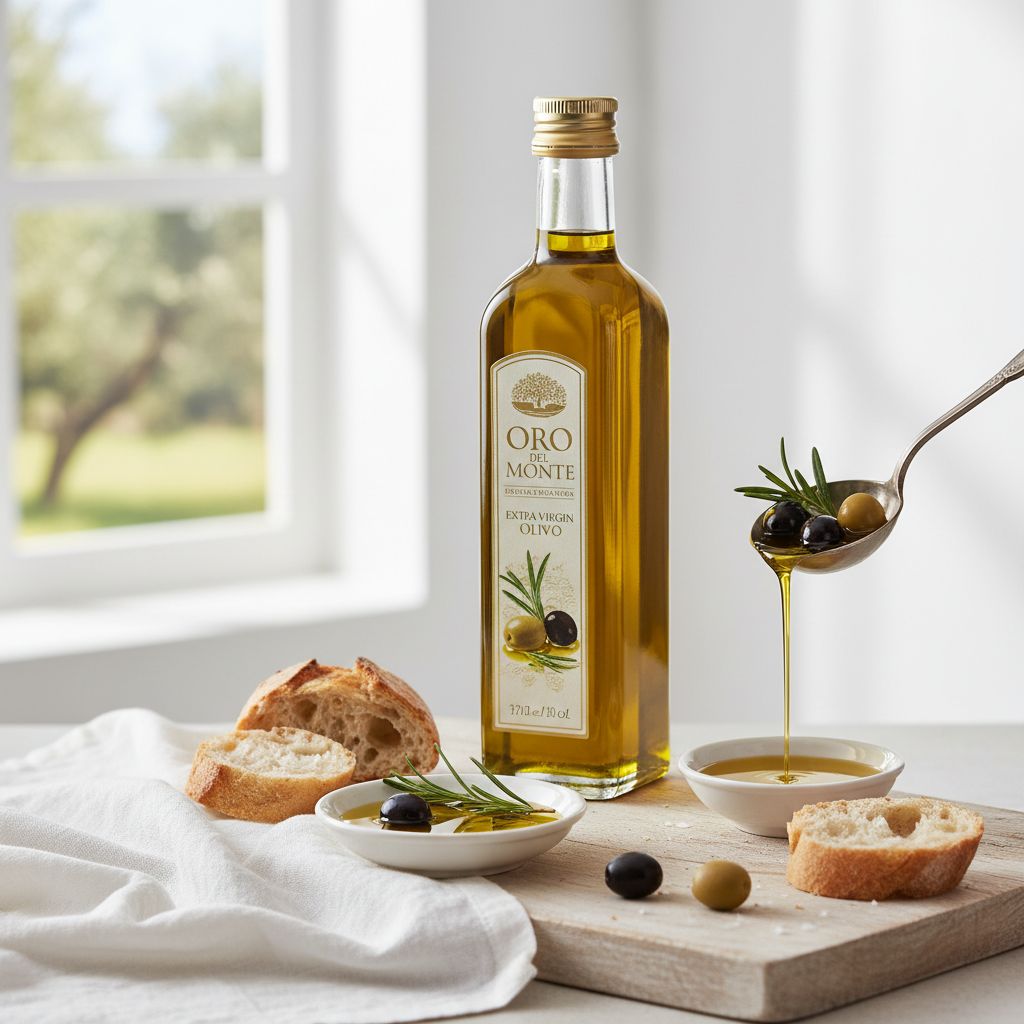
Recommended Anti-Inflammatory Foods
These foods have been shown to help reduce inflammation associated with brain health.
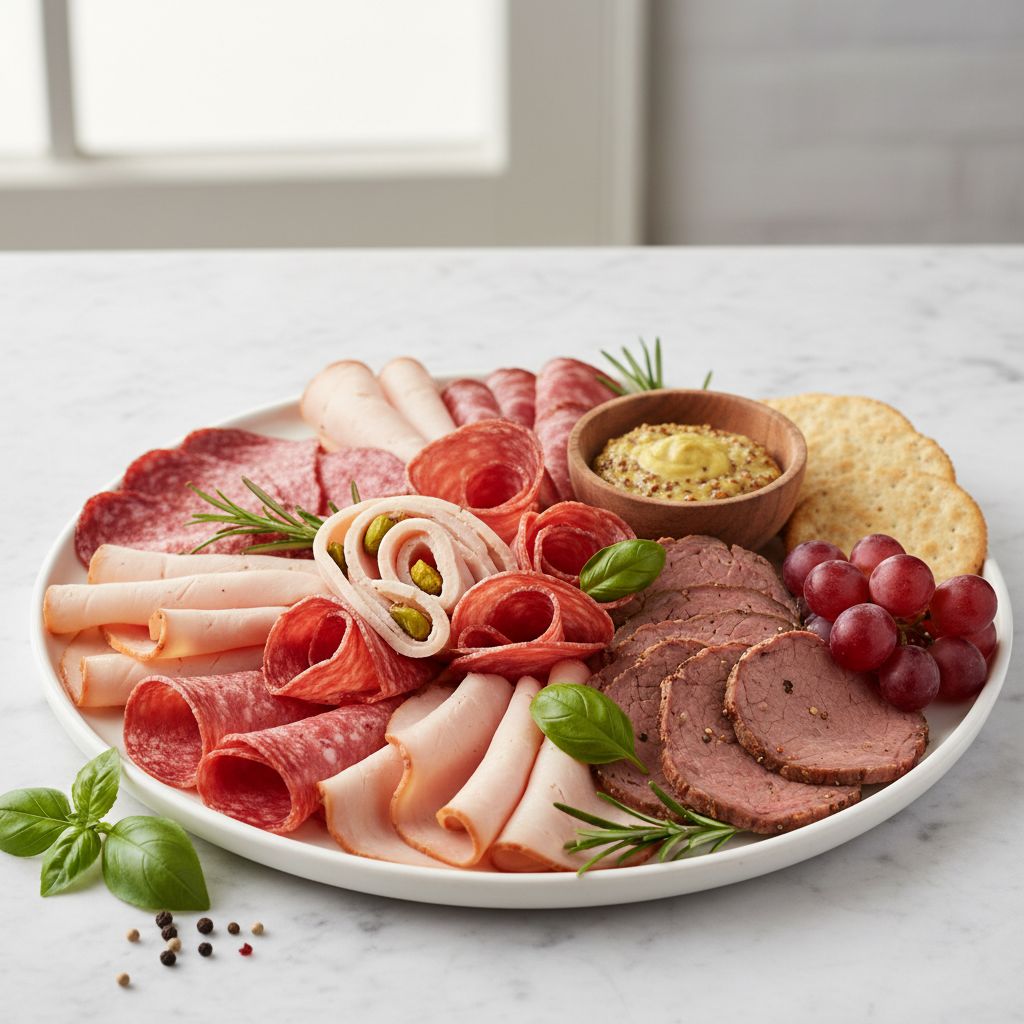
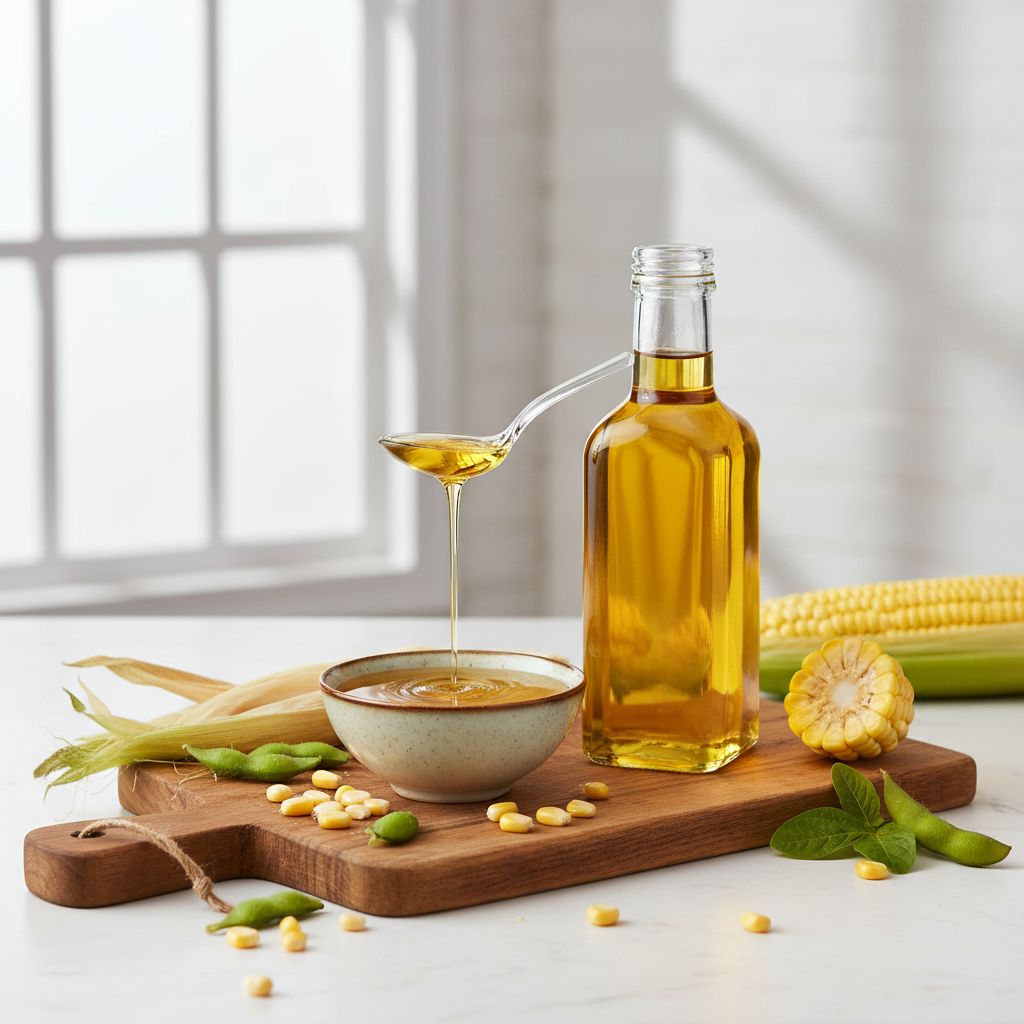
Foods to Avoid
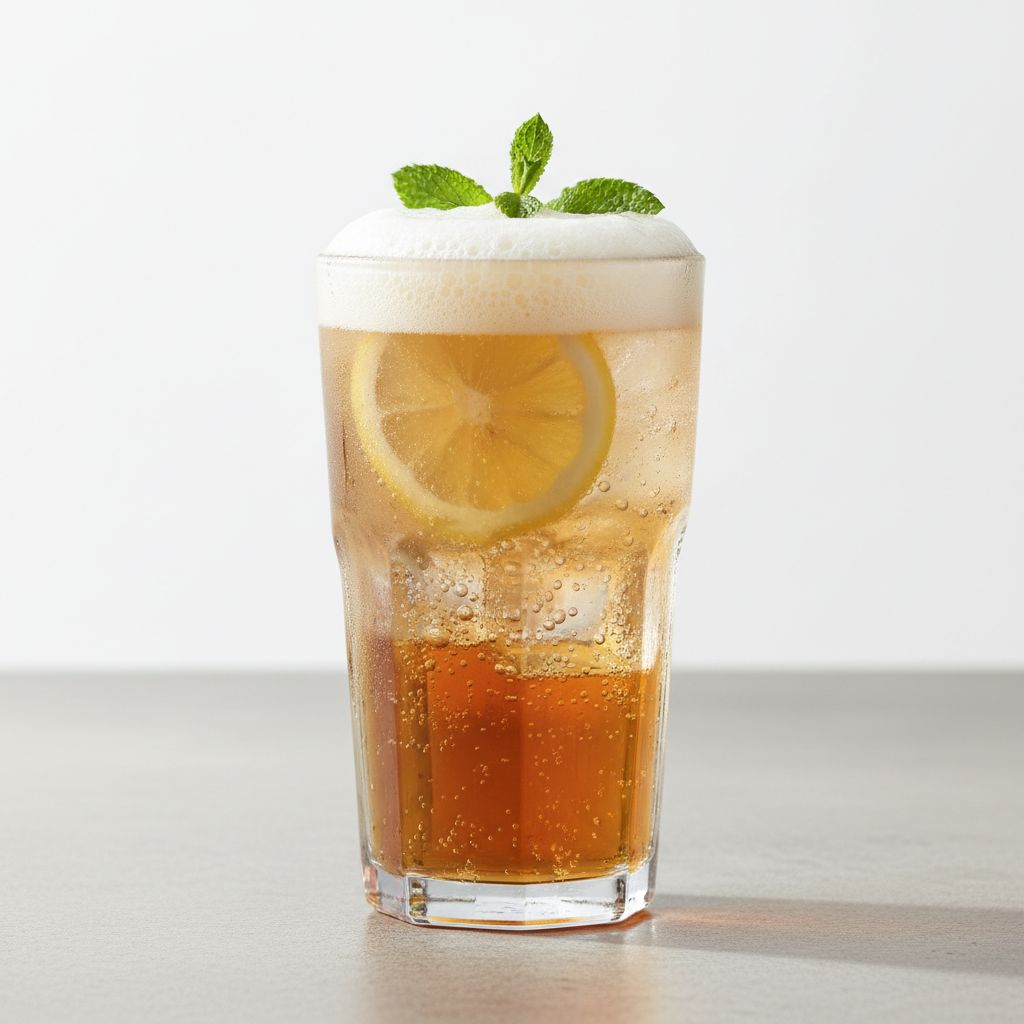
These inflammatory foods can worsen brain health symptoms and should be limited or eliminated.


Free · iOS & Android
Scan any food, get its inflammation score in 2 seconds
Free AI scanner. Works in the supermarket, restaurant, or your kitchen.


Dietary Tips for Brain Health
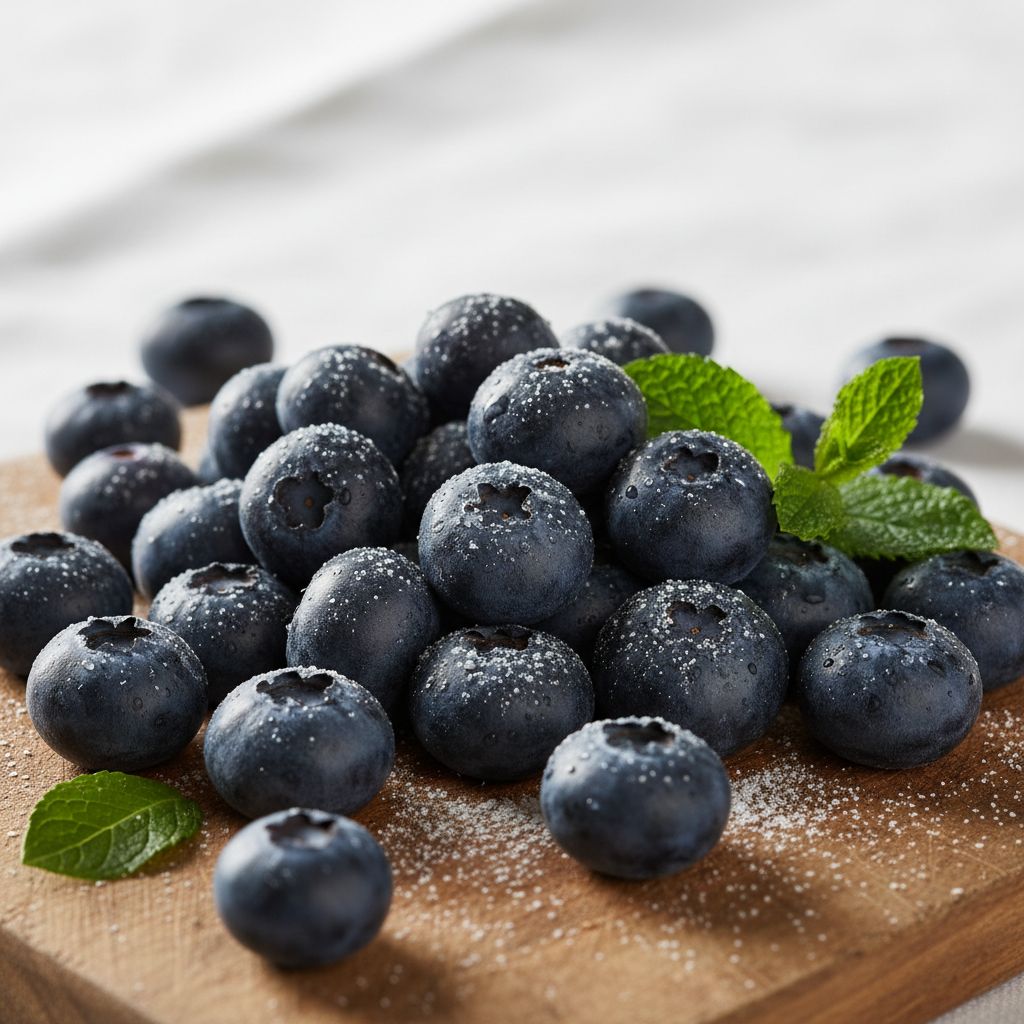
Eat blueberries and other dark berries daily — their anthocyanins cross the blood-brain barrier.
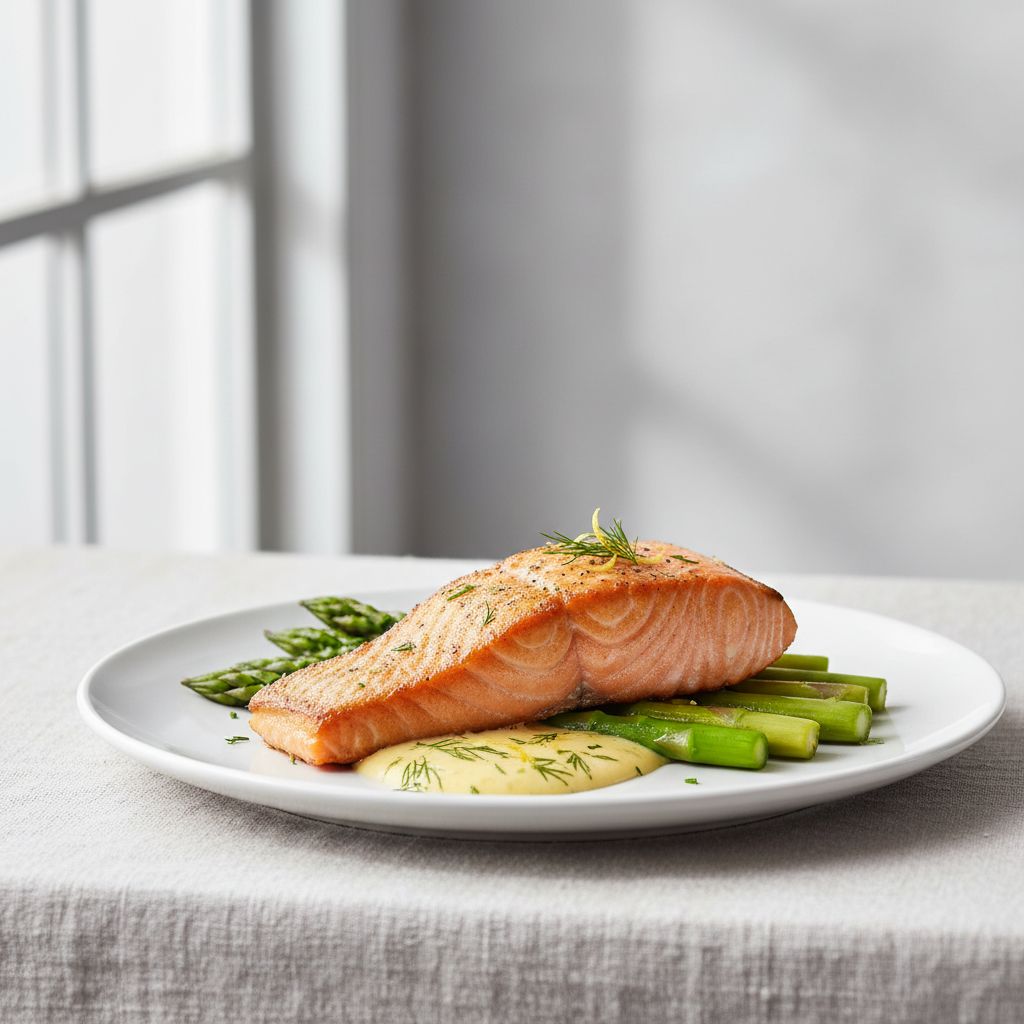
Consume fatty fish like salmon at least 3 times per week for brain-essential DHA.
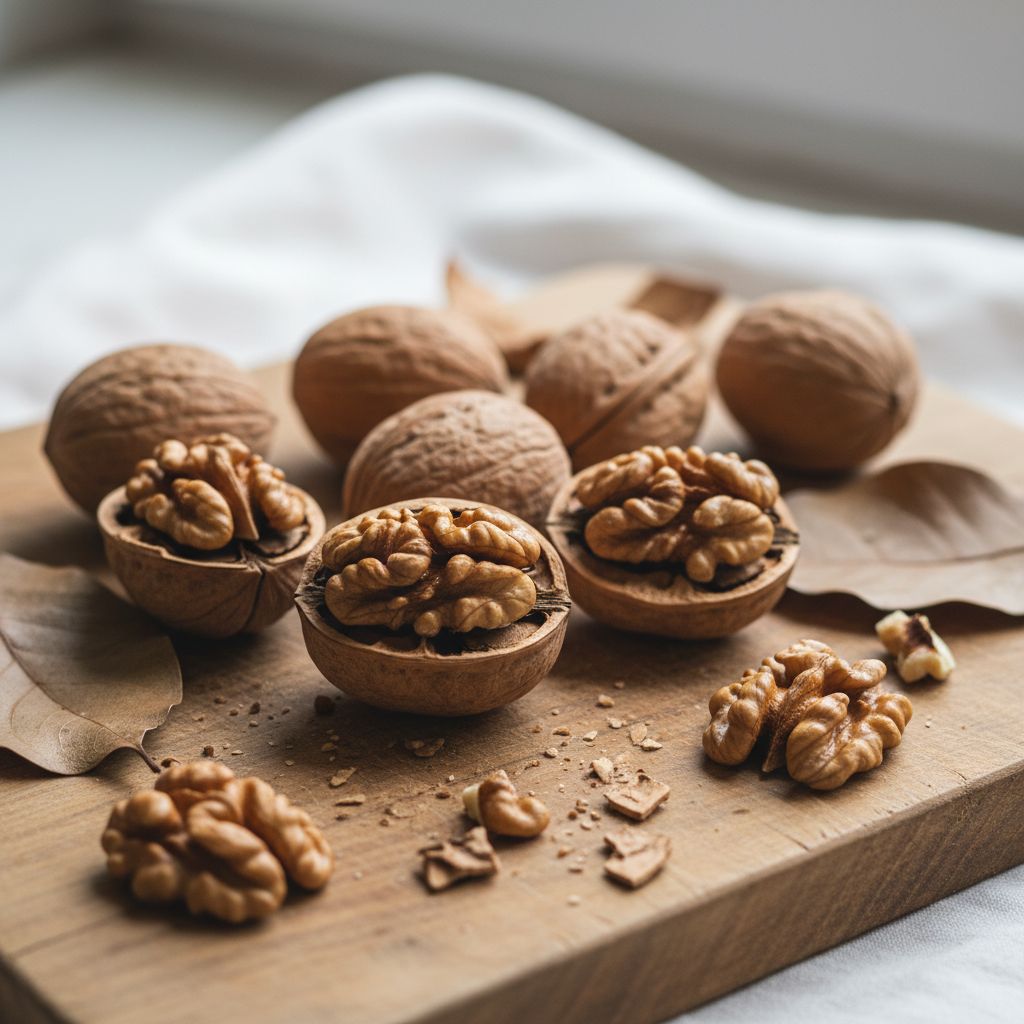
Eat a handful of walnuts daily — they contain ALA omega-3s and neuroprotective polyphenols.
Include dark chocolate (70%+ cacao) for flavonoids that improve blood flow to the brain.
Drink green tea for L-theanine, which promotes calm focus and protects against neurodegeneration.
Avoid excess sugar and processed foods, which cause neuroinflammation and accelerate cognitive decline.
Frequently Asked Questions
Can an anti-inflammatory diet prevent Alzheimer's disease?
Research strongly suggests that anti-inflammatory diets can significantly reduce Alzheimer's risk. The MIND diet study showed a 53% risk reduction when followed rigorously and 35% even with moderate adherence. Key protective foods include berries, fatty fish, leafy greens, nuts, and olive oil — all of which combat the neuroinflammation that drives Alzheimer's progression.
What foods are best for brain fog?
The best foods for clearing brain fog include fatty fish (DHA for brain cell membranes), blueberries (anthocyanins that cross the blood-brain barrier), walnuts (neuroprotective polyphenols), dark chocolate (flavonoids for brain blood flow), and green tea (L-theanine for focus). Eliminating sugar and processed foods often provides the most immediate improvement in mental clarity.
Does sugar cause brain inflammation?
Yes, excess sugar consumption triggers neuroinflammation through multiple pathways. It activates inflammatory microglia in the brain, increases oxidative stress, promotes insulin resistance in brain cells, and damages the blood-brain barrier. Studies show that high-sugar diets accelerate cognitive decline and increase risk of dementia by up to 40%.
Educational content. Not medical advice.
Information on this page is for educational purposes only. It is not a substitute for professional medical advice, diagnosis, or treatment. Consult your healthcare provider before changing your diet, especially if you have a medical condition, take medications, or are pregnant or breastfeeding. Read the full disclaimer.
Scan a food in 2 seconds. Know if it's healing or hurting you.
Point your camera at any meal, ingredient, or label. Get an instant inflammation score, the science behind it, and better alternatives. All free.