Anti-Inflammatory Diet for Mental Health
The foods, tips, and strategies to manage mental health through anti-inflammatory eating.
Understanding Mental Health & Inflammation
The connection between inflammation and mental health conditions like depression, anxiety, and mood disorders is one of the most exciting frontiers in nutritional psychiatry. Research shows that people with depression have significantly higher levels of inflammatory markers (CRP, IL-6, TNF-alpha) compared to non-depressed individuals, and anti-inflammatory medications have antidepressant effects. This "inflammatory theory of depression" has revolutionized our understanding of mental health.
The gut-brain axis is the primary pathway through which diet affects mental health. Approximately 95% of serotonin (the "happiness" neurotransmitter) is produced in the gut, and an inflamed, imbalanced gut produces less serotonin while generating more inflammatory signals to the brain via the vagus nerve. Anti-inflammatory foods support both gut health and direct brain function, providing the raw materials for neurotransmitter production while reducing neuroinflammation.
The SMILES trial — a landmark randomized controlled trial — demonstrated that a Mediterranean-style anti-inflammatory diet significantly reduced depression scores, with 32% of participants achieving complete remission compared to just 8% in the social support control group. This was achieved in just 12 weeks, highlighting the powerful and rapid impact that dietary changes can have on mental health outcomes.
Common Symptoms
Recommended Anti-Inflammatory Foods
These foods have been shown to help reduce inflammation associated with mental health.
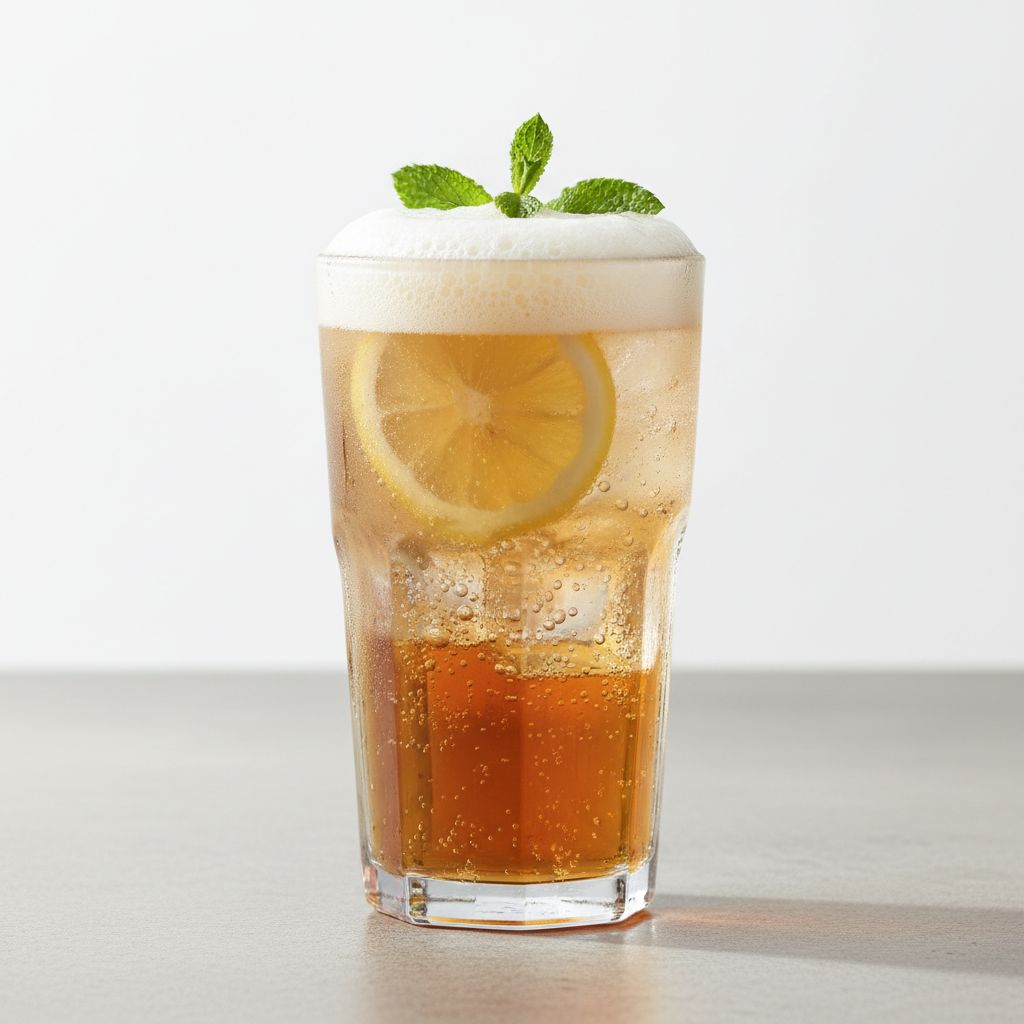
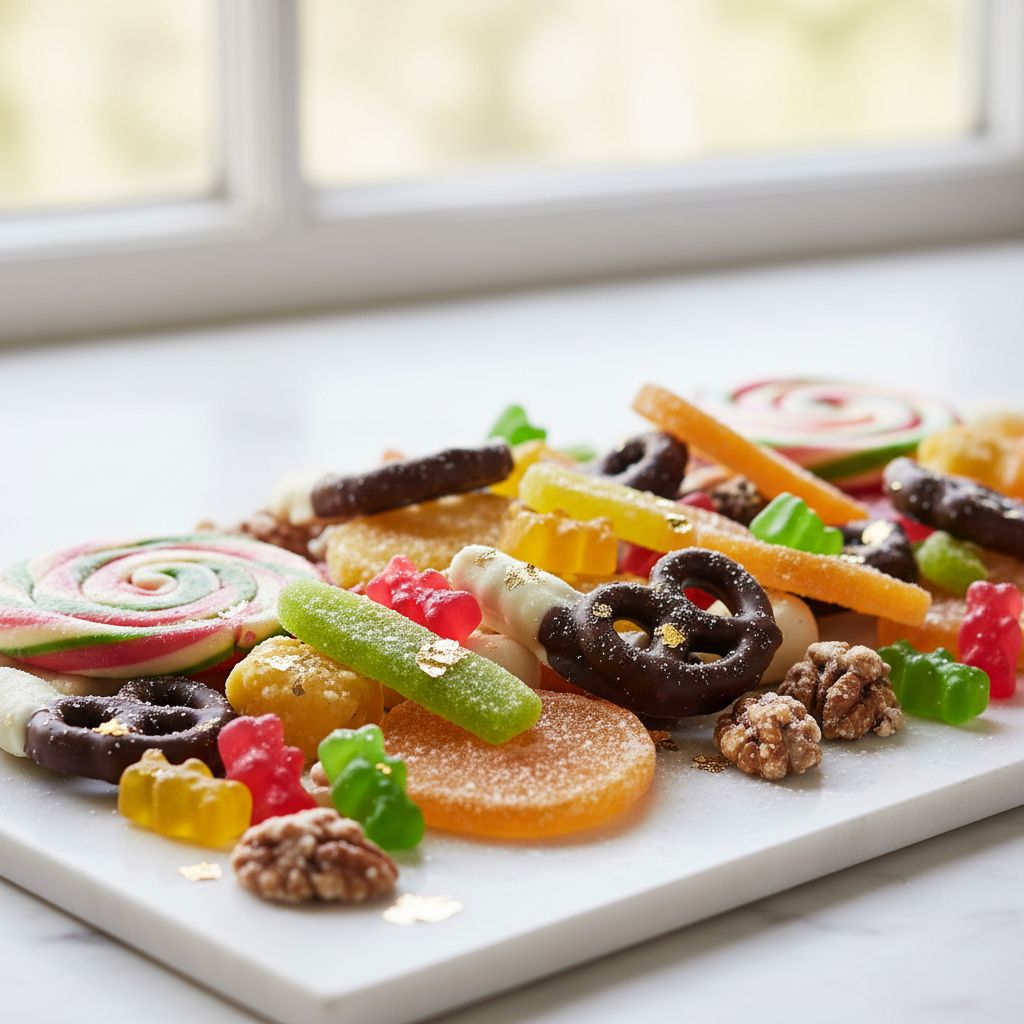
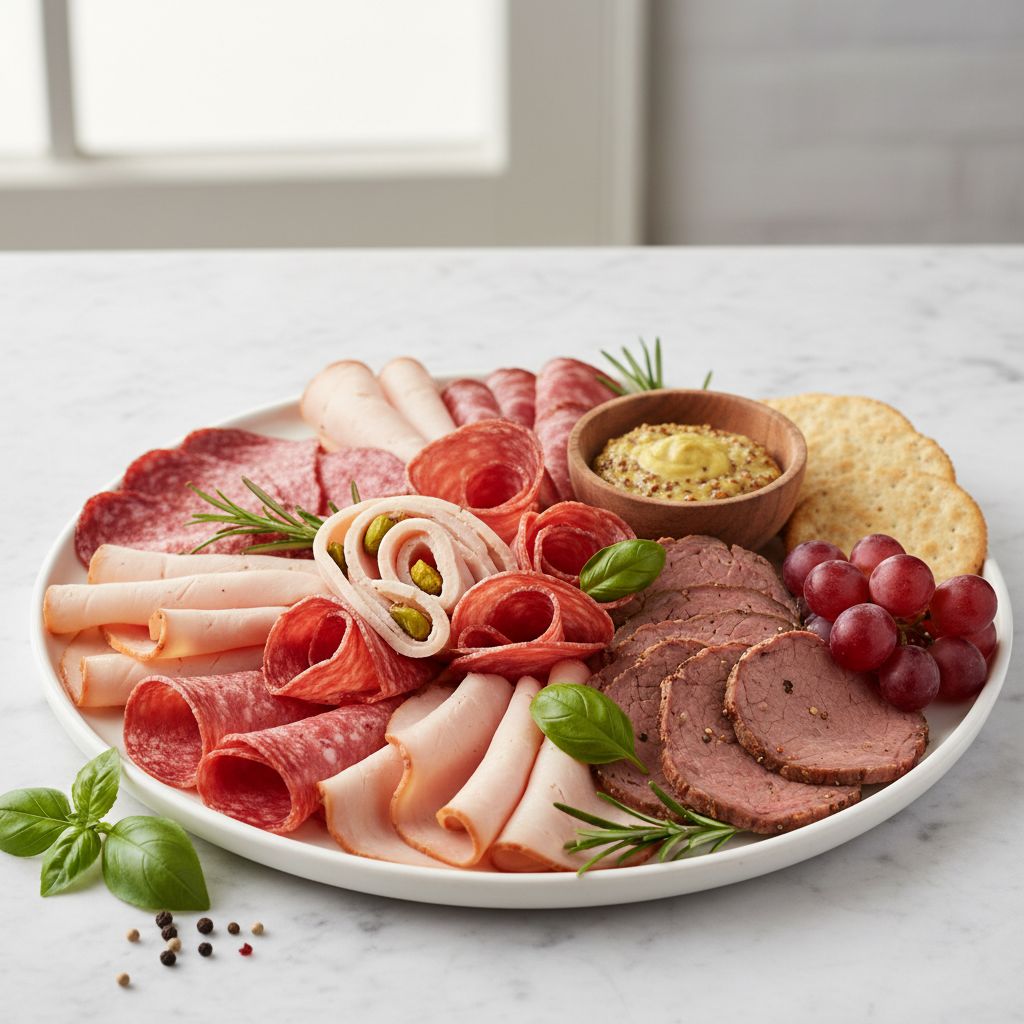
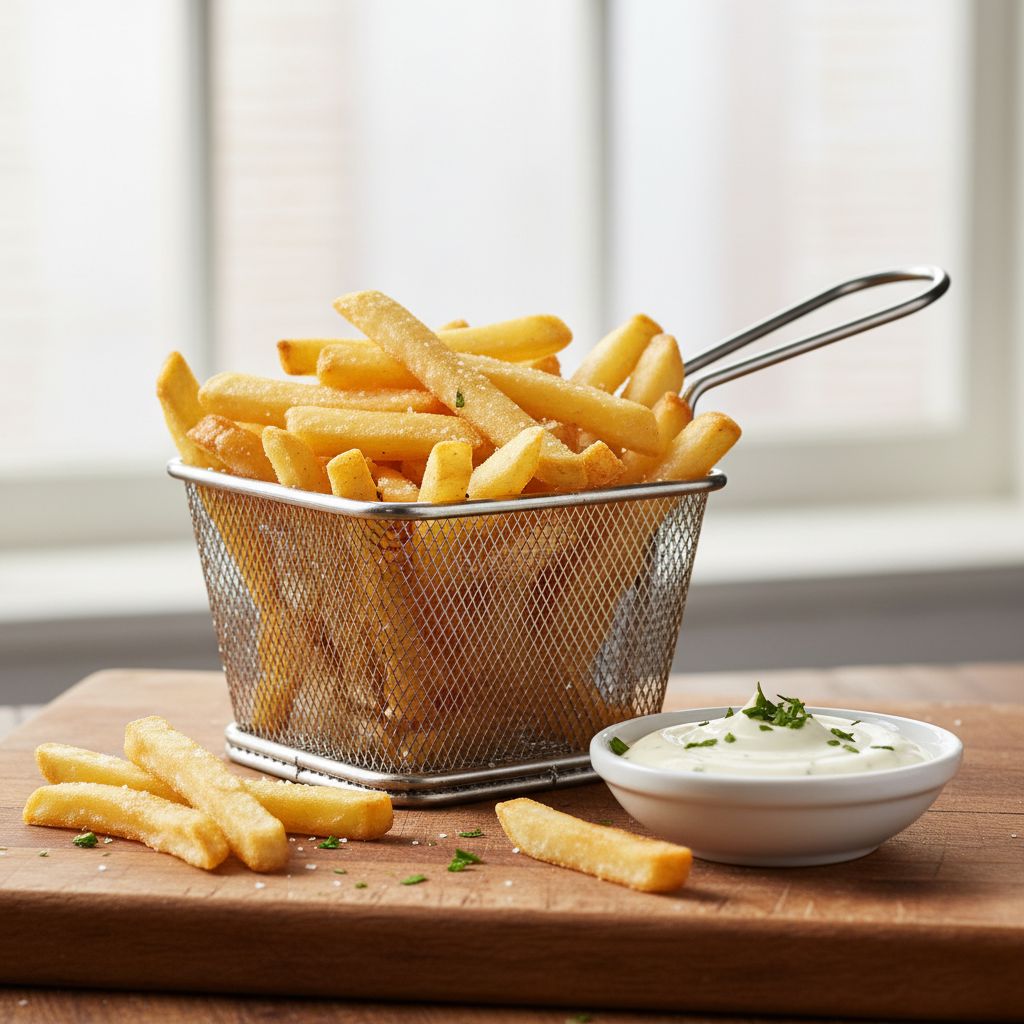
Foods to Avoid
These inflammatory foods can worsen mental health symptoms and should be limited or eliminated.


Free · iOS & Android
Scan any food, get its inflammation score in 2 seconds
Free AI scanner. Works in the supermarket, restaurant, or your kitchen.


Dietary Tips for Mental Health
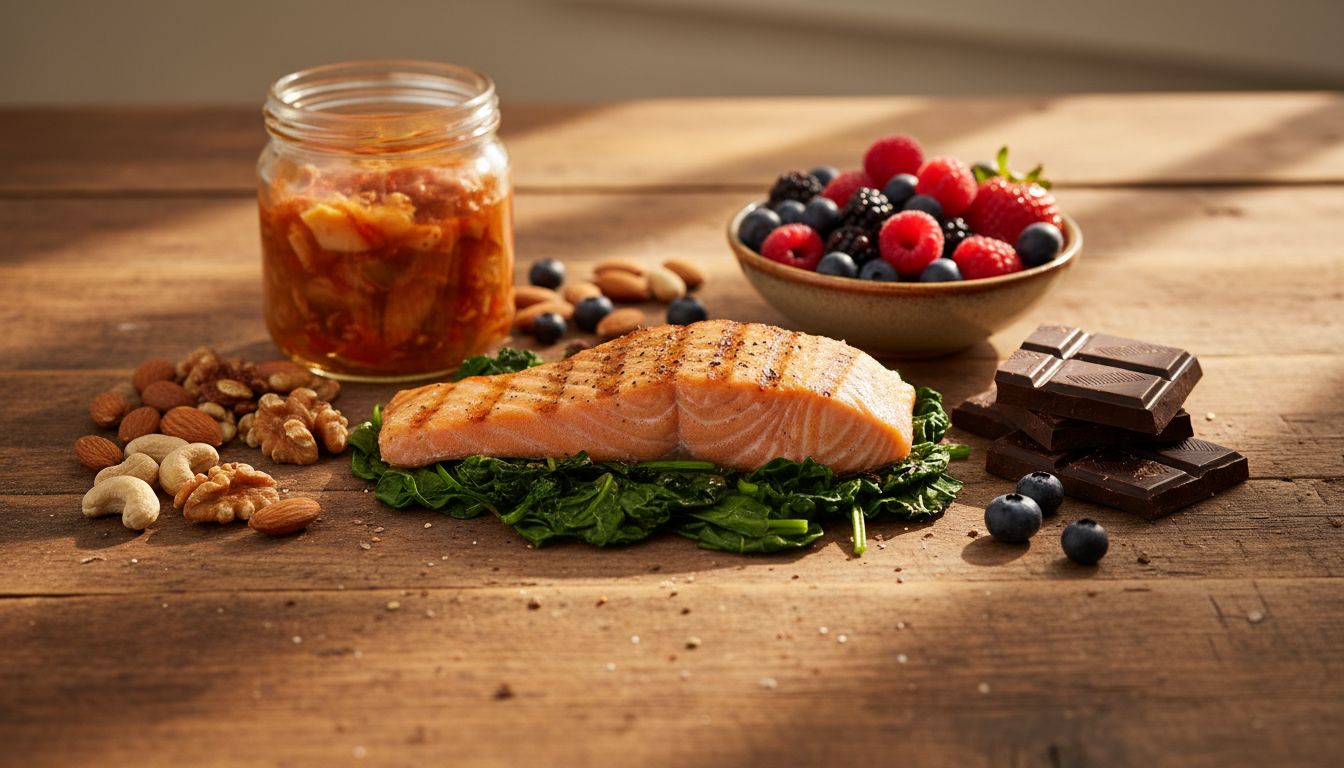
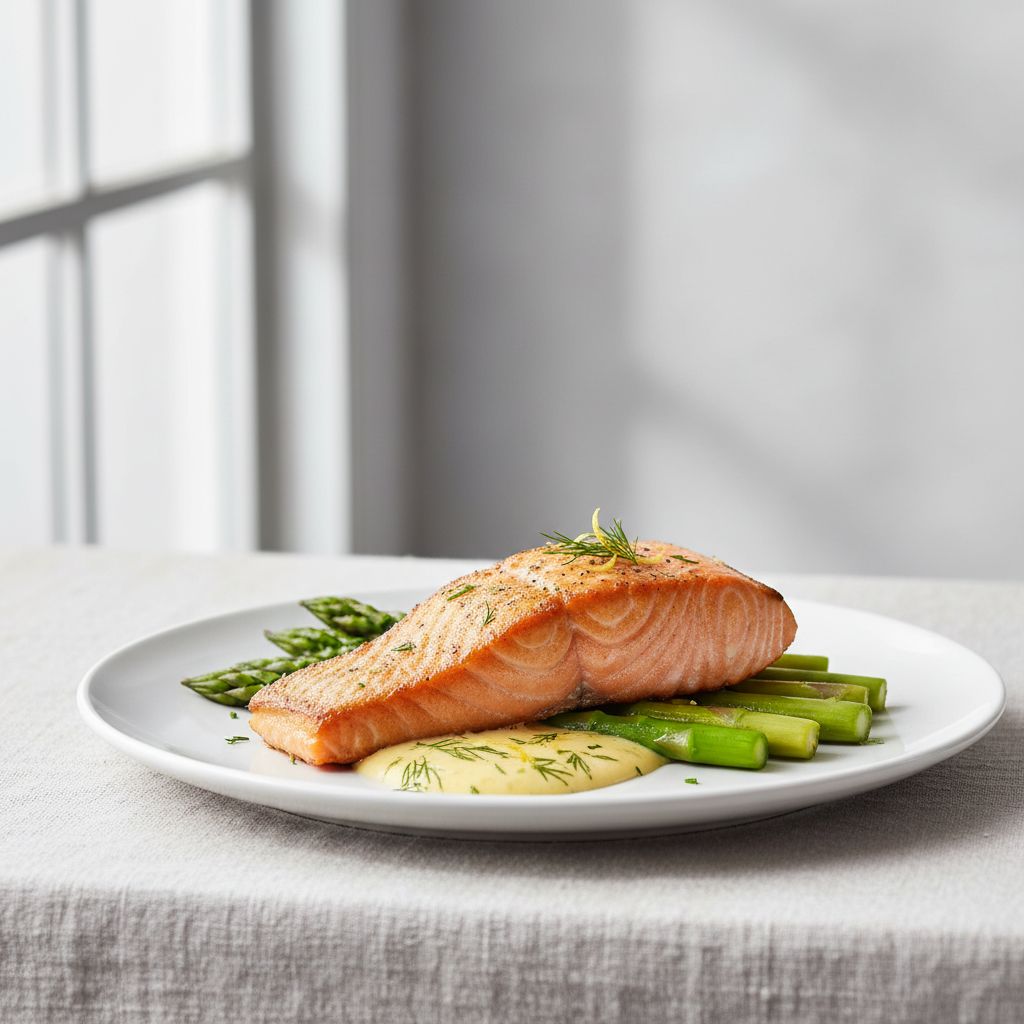
Eat omega-3-rich fish like salmon 3+ times per week — it is as effective as antidepressants for some patients.
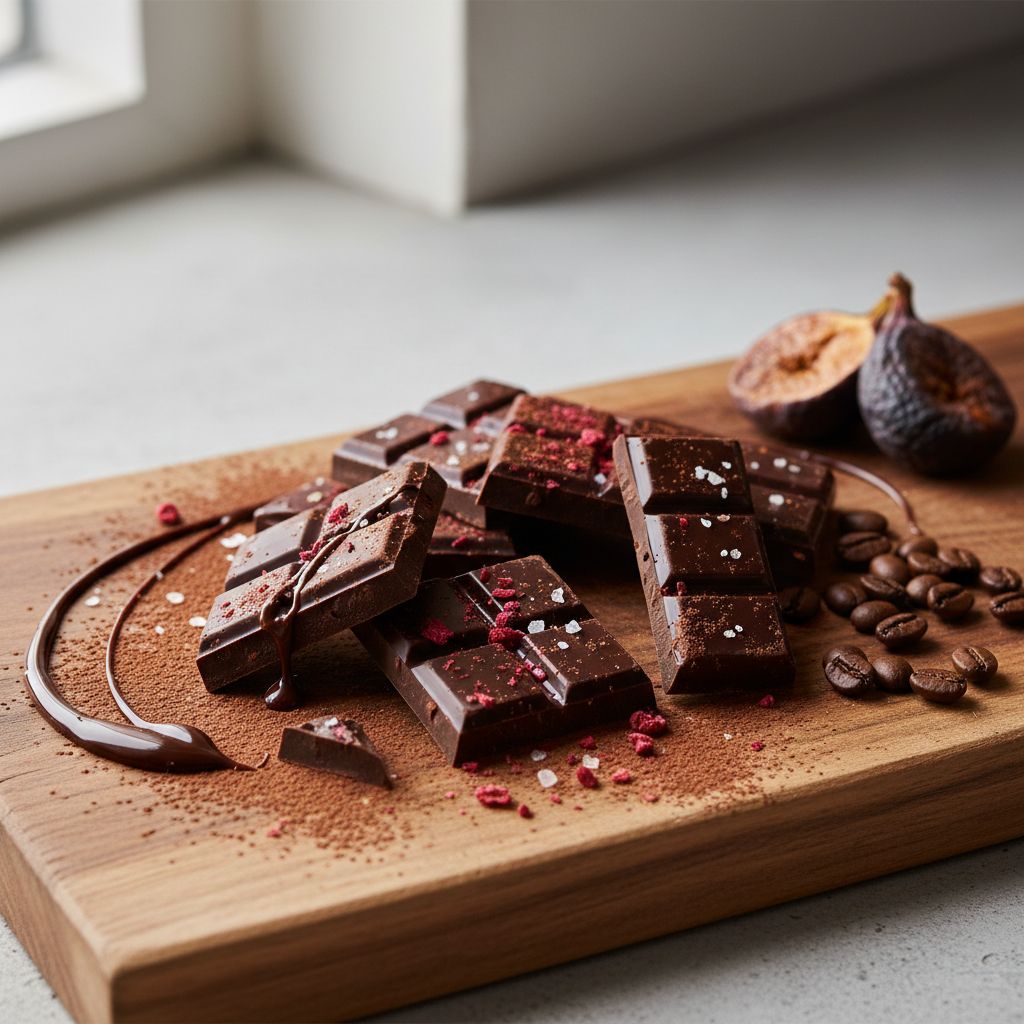
Include dark chocolate (70%+ cacao) which boosts serotonin and contains mood-enhancing compounds.
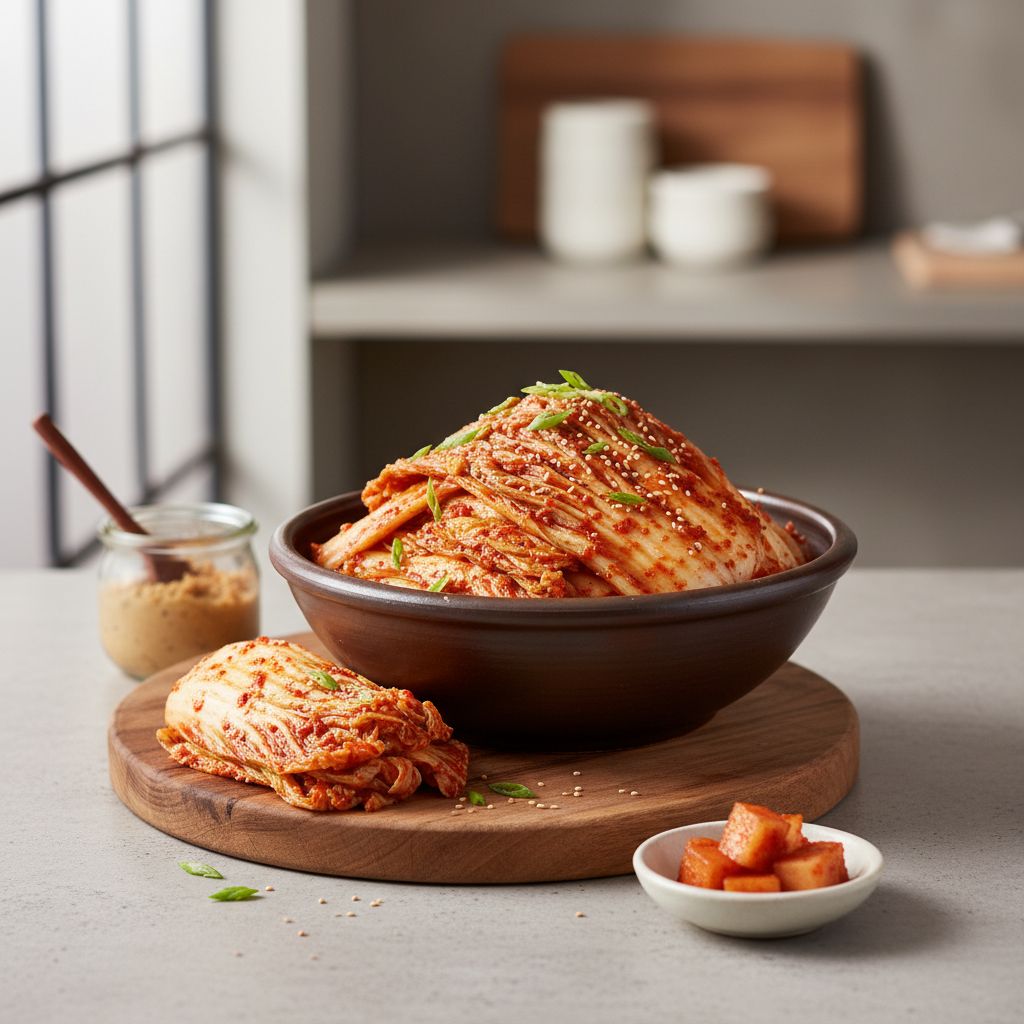
Eat fermented foods like kimchi daily to support the gut-brain axis and serotonin production.
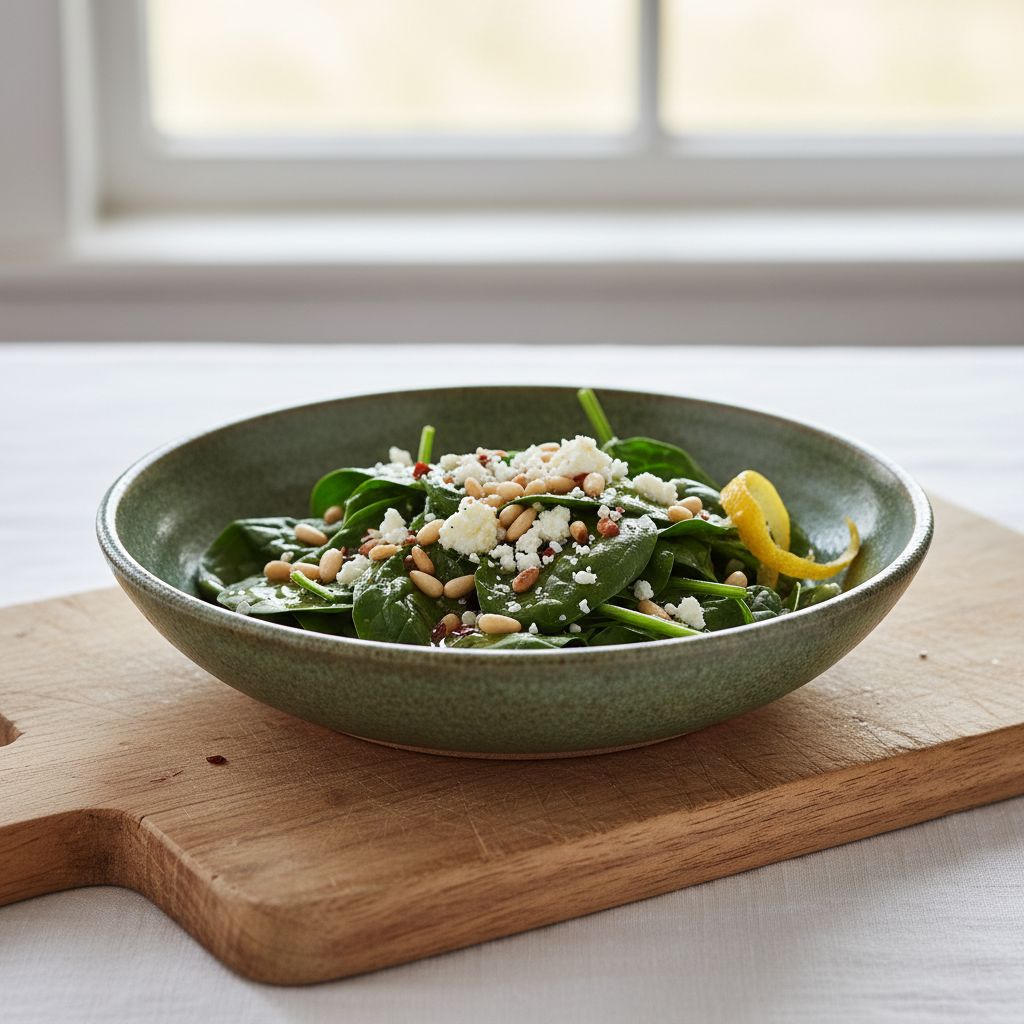
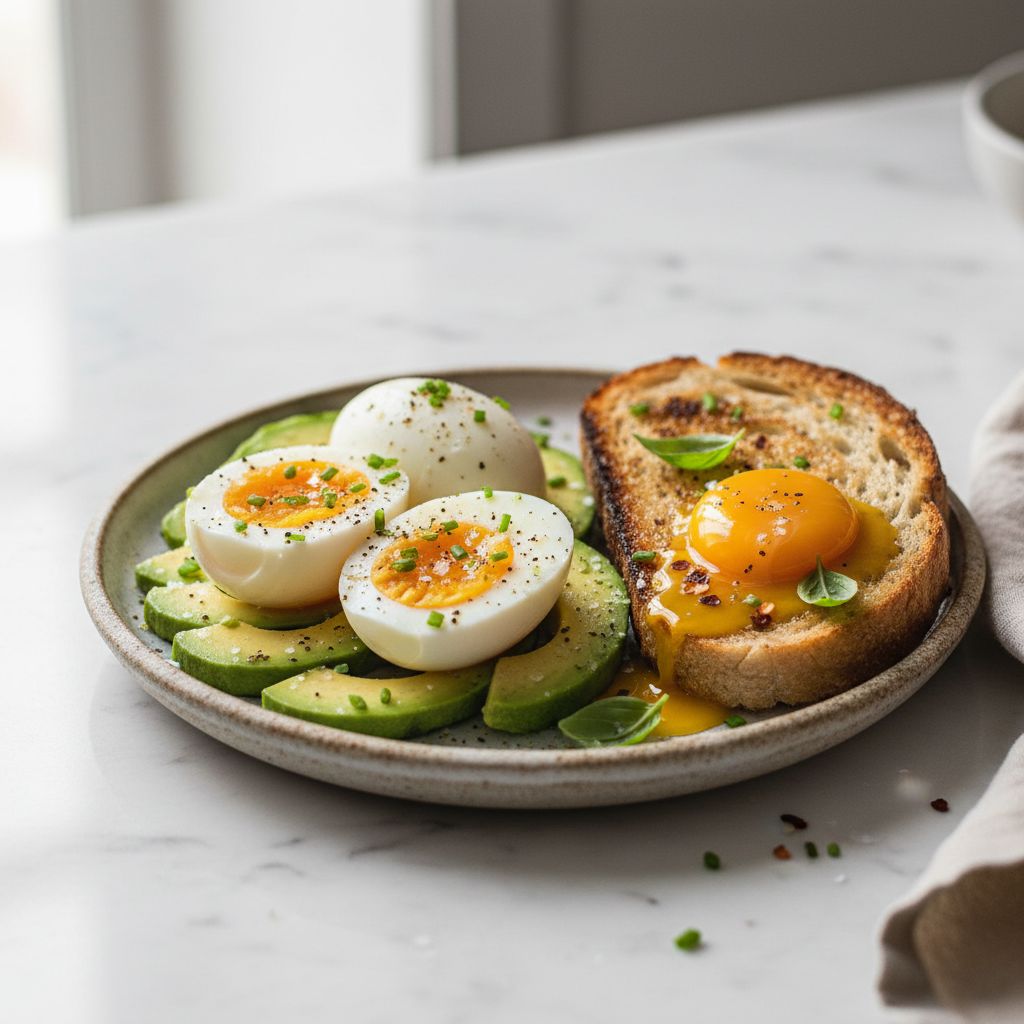
Include folate-rich spinach and B-vitamin-rich eggs, as deficiencies are linked to depression.
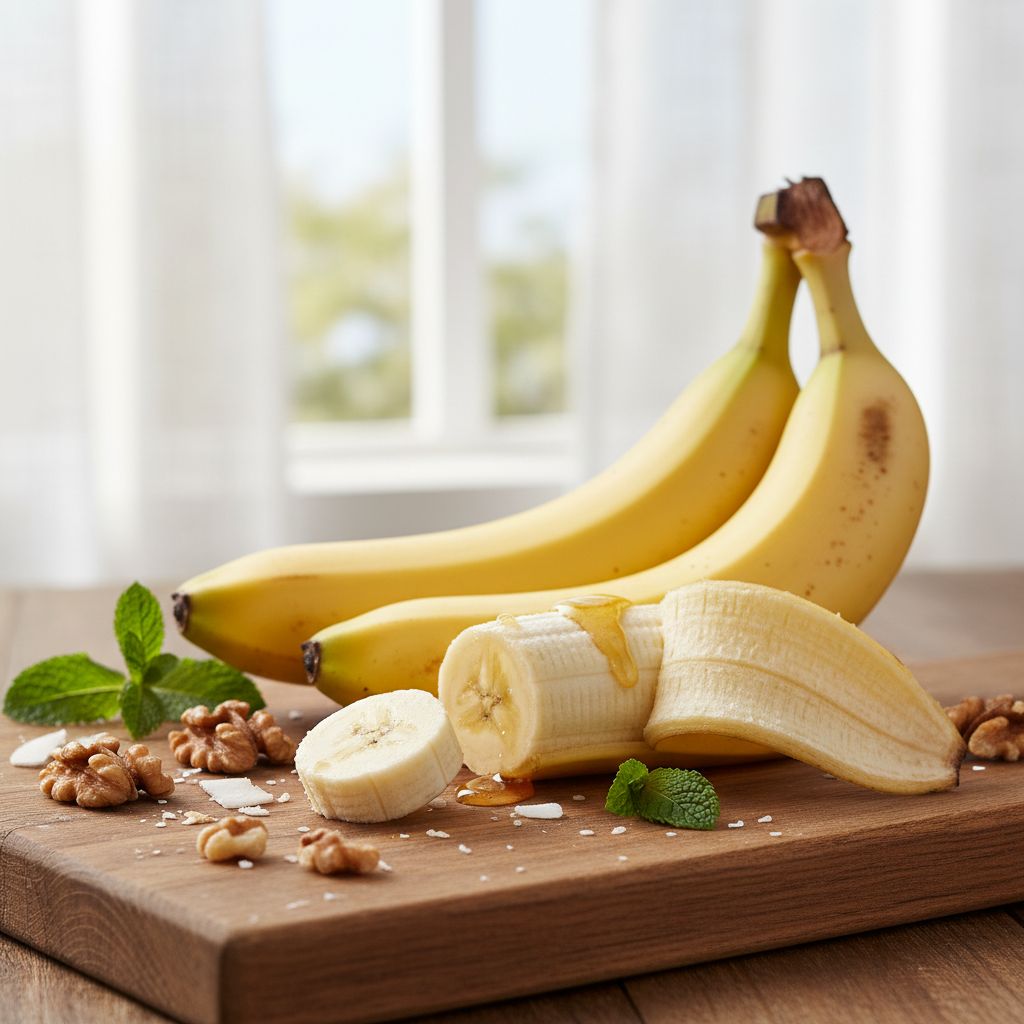
Eat bananas for tryptophan and vitamin B6, precursors to serotonin production.
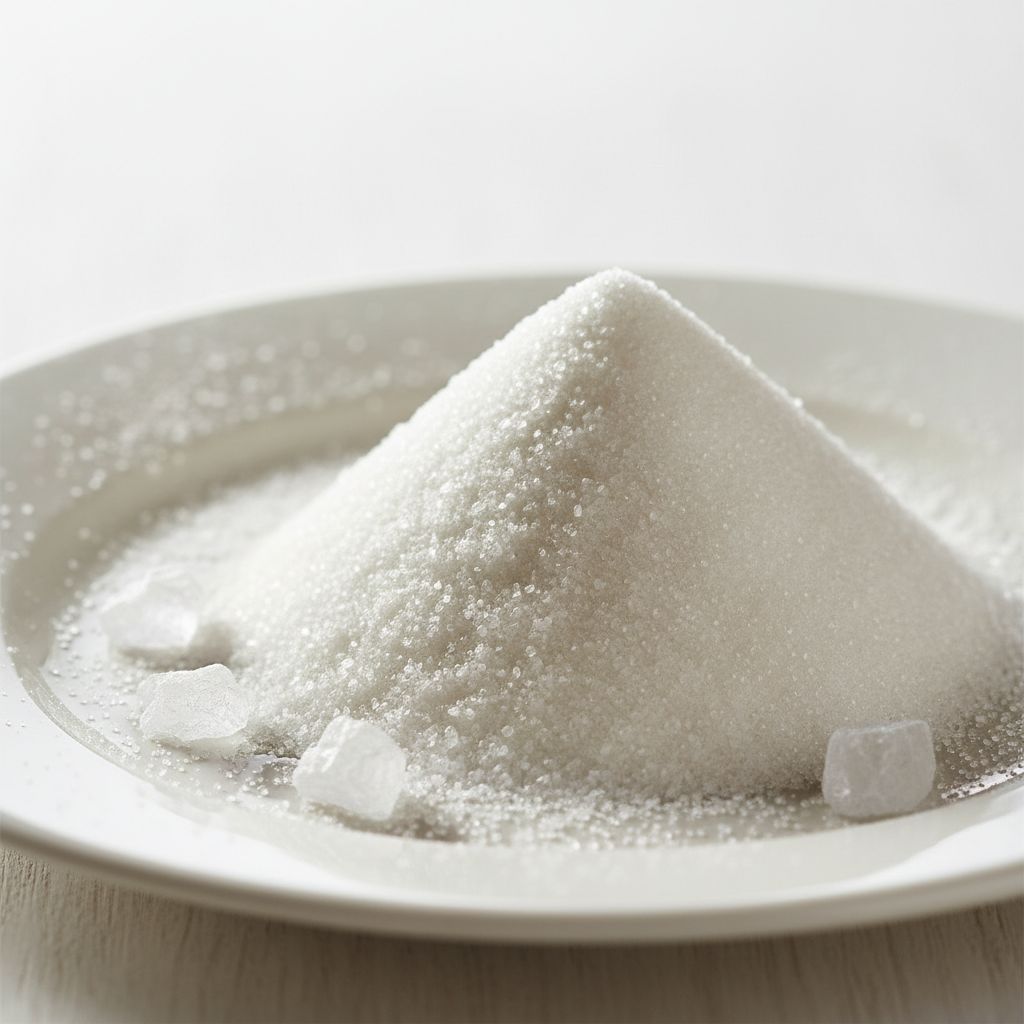
Avoid sugar and processed foods, which studies show increase depression risk by up to 60%.
Frequently Asked Questions
Can an anti-inflammatory diet help with depression?
Yes, strong clinical evidence supports anti-inflammatory diets for depression. The SMILES trial showed that a Mediterranean-style diet achieved a 32% remission rate for depression in just 12 weeks. Omega-3 fatty acids, in particular, have been shown to be as effective as antidepressants in multiple meta-analyses. Diet works by reducing neuroinflammation and supporting neurotransmitter production through the gut-brain axis.
What foods help with anxiety?
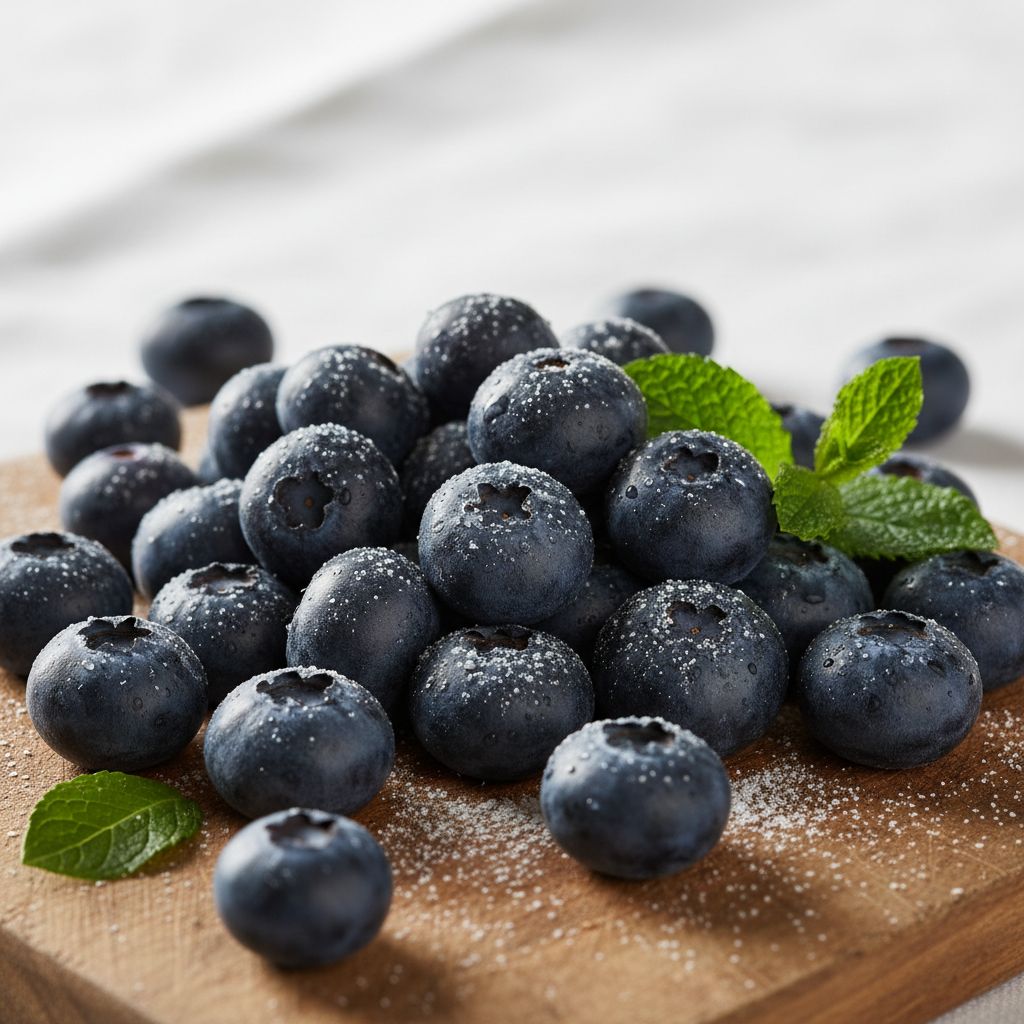
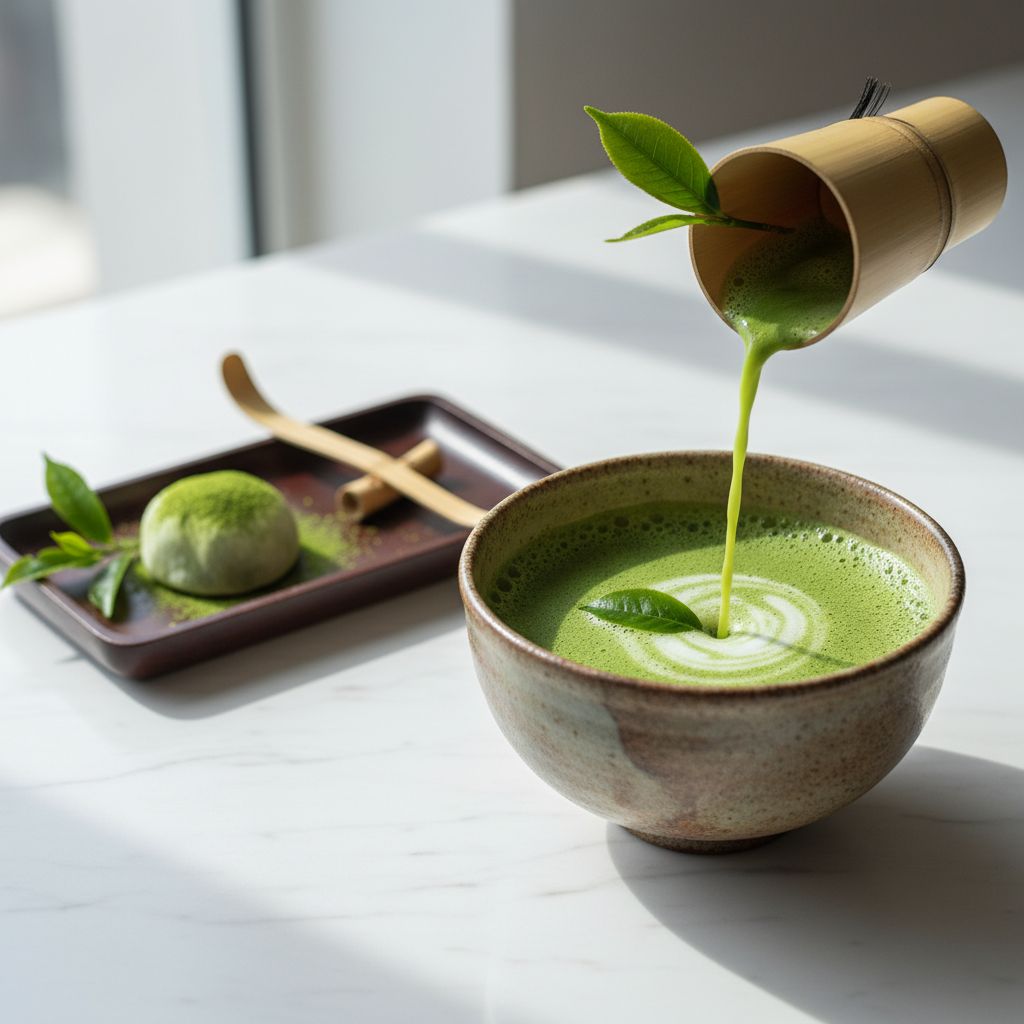
The best foods for anxiety include salmon (omega-3s reduce neuroinflammation), dark chocolate (boosts serotonin and contains anxiolytic theobromine), green tea (L-theanine promotes calm), kimchi and fermented foods (support serotonin production in the gut), blueberries (antioxidants protect against stress-induced brain damage), and spinach (magnesium relaxes the nervous system).
How does gut health affect mental health?
The gut-brain axis is a bidirectional communication pathway. Approximately 95% of serotonin is produced in the gut, and an inflamed gut microbiome sends inflammatory signals to the brain via the vagus nerve. Improving gut health through anti-inflammatory foods and probiotics has been shown to reduce depression and anxiety scores in clinical trials, sometimes as effectively as medication.
Educational content. Not medical advice.
Information on this page is for educational purposes only. It is not a substitute for professional medical advice, diagnosis, or treatment. Consult your healthcare provider before changing your diet, especially if you have a medical condition, take medications, or are pregnant or breastfeeding. Read the full disclaimer.
Scan a food in 2 seconds. Know if it's healing or hurting you.
Point your camera at any meal, ingredient, or label. Get an instant inflammation score, the science behind it, and better alternatives. All free.