
Anti-Inflammatory Diet for Chronic Fatigue
The foods, tips, and strategies to manage chronic fatigue through anti-inflammatory eating.
Understanding Chronic Fatigue & Inflammation
Chronic fatigue syndrome (CFS), also known as myalgic encephalomyelitis (ME/CFS), is a complex condition characterized by persistent, debilitating fatigue that doesn't improve with rest. While the exact cause remains under investigation, chronic systemic inflammation is a consistent finding in CFS patients, with elevated levels of pro-inflammatory cytokines and markers of oxidative stress. This inflammatory state affects mitochondrial function — the energy-producing machinery in every cell of your body.
An anti-inflammatory diet addresses chronic fatigue at the cellular level by reducing the inflammatory burden that impairs mitochondrial function and energy production. Nutrient-dense foods provide the raw materials your mitochondria need to generate ATP (cellular energy), including CoQ10, B vitamins, magnesium, and iron. Meanwhile, eliminating inflammatory foods removes the oxidative stress that damages these delicate energy-producing structures.
Many people with chronic fatigue report meaningful energy improvements within 3-6 weeks of adopting an anti-inflammatory diet. The key is consistency and patience — years of chronic inflammation don't resolve overnight, but steady dietary improvements compound over time to restore energy levels, mental clarity, and the ability to engage fully in daily activities.
Common Symptoms
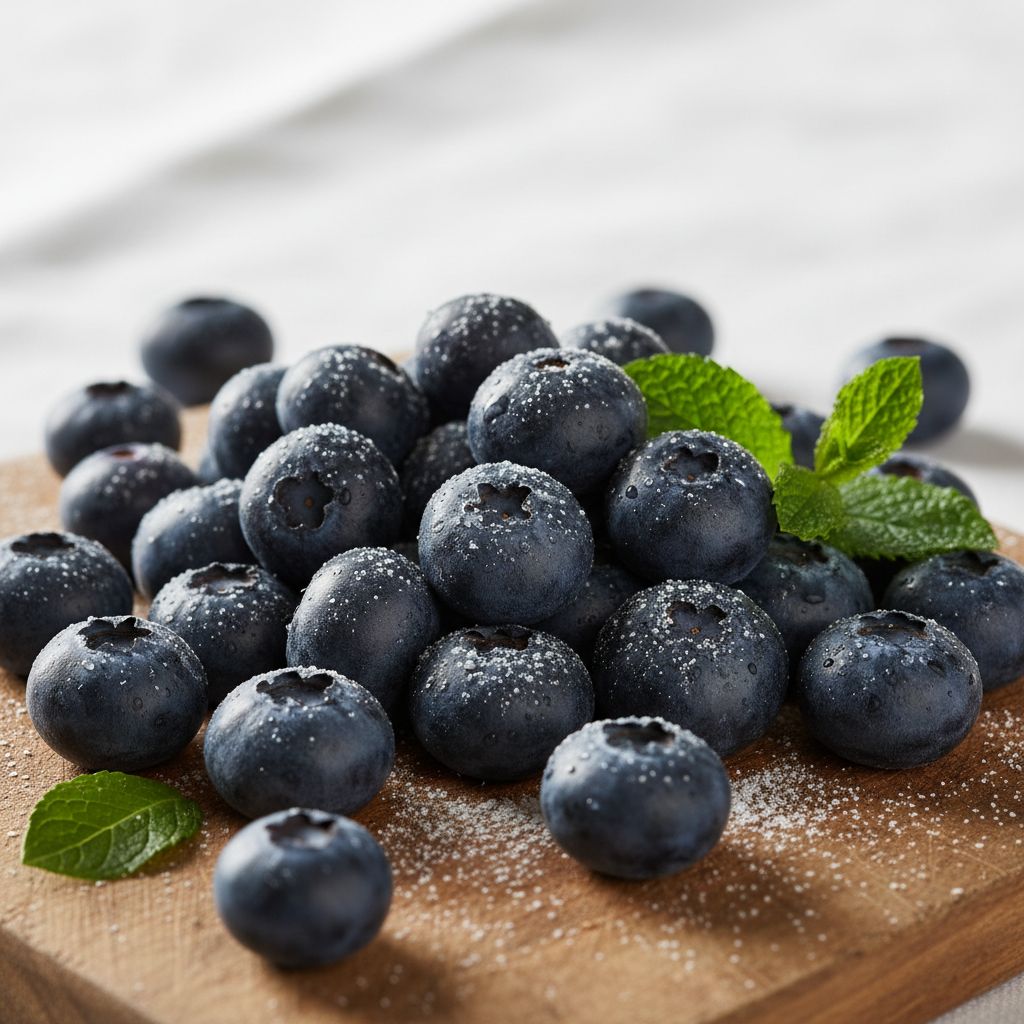
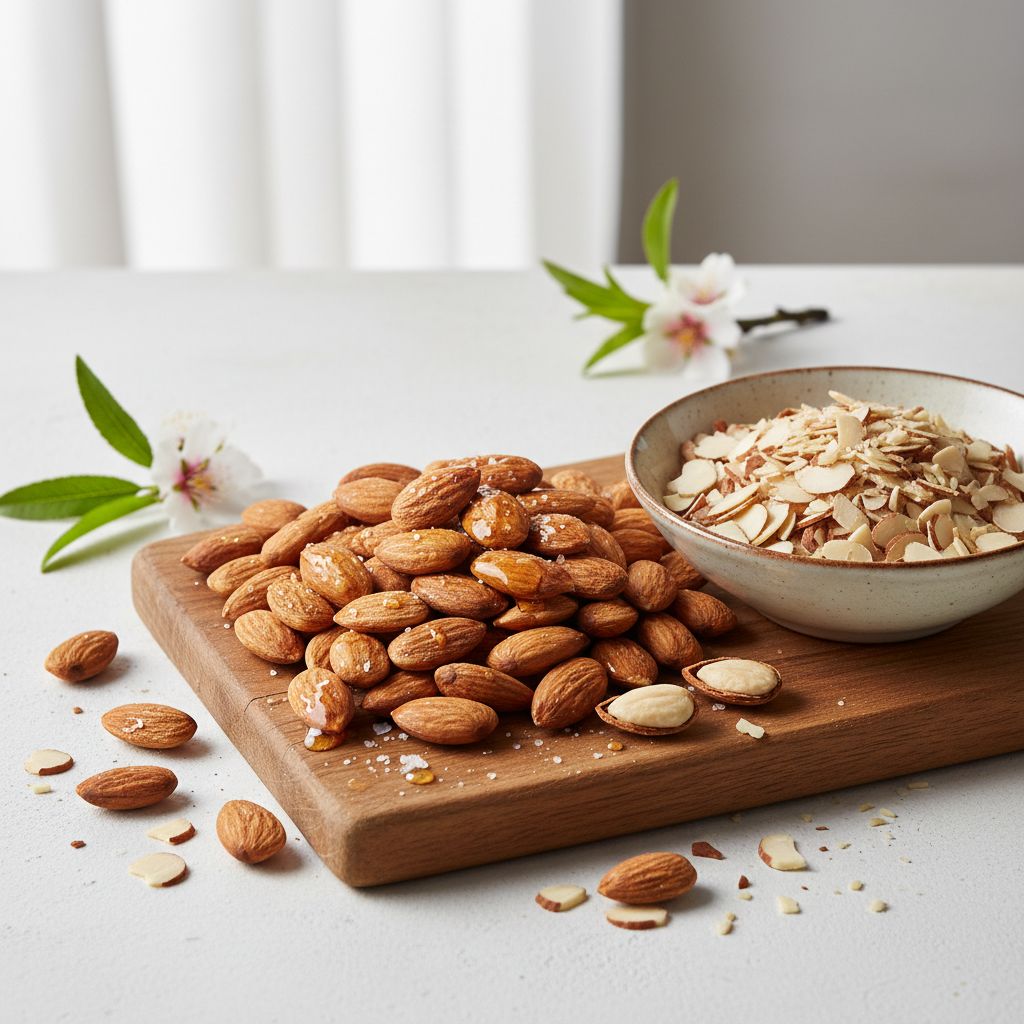
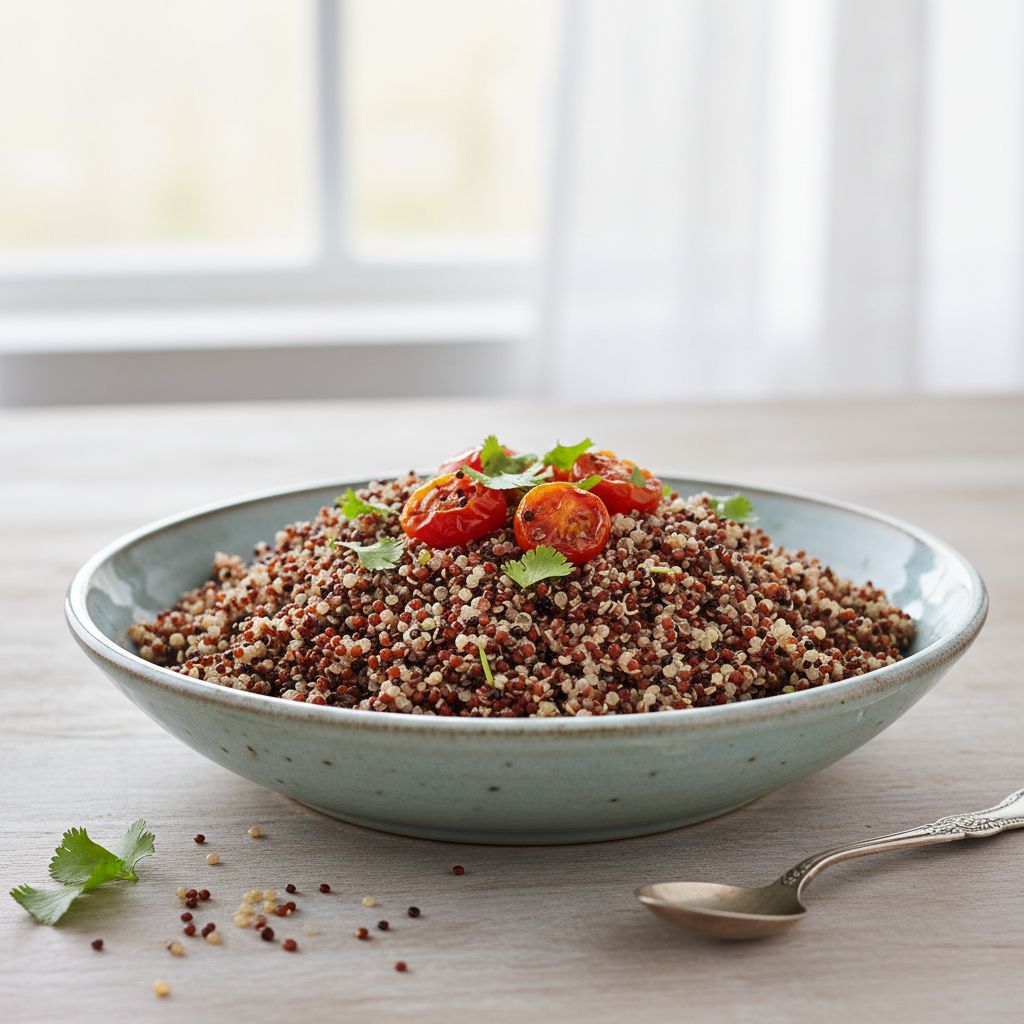
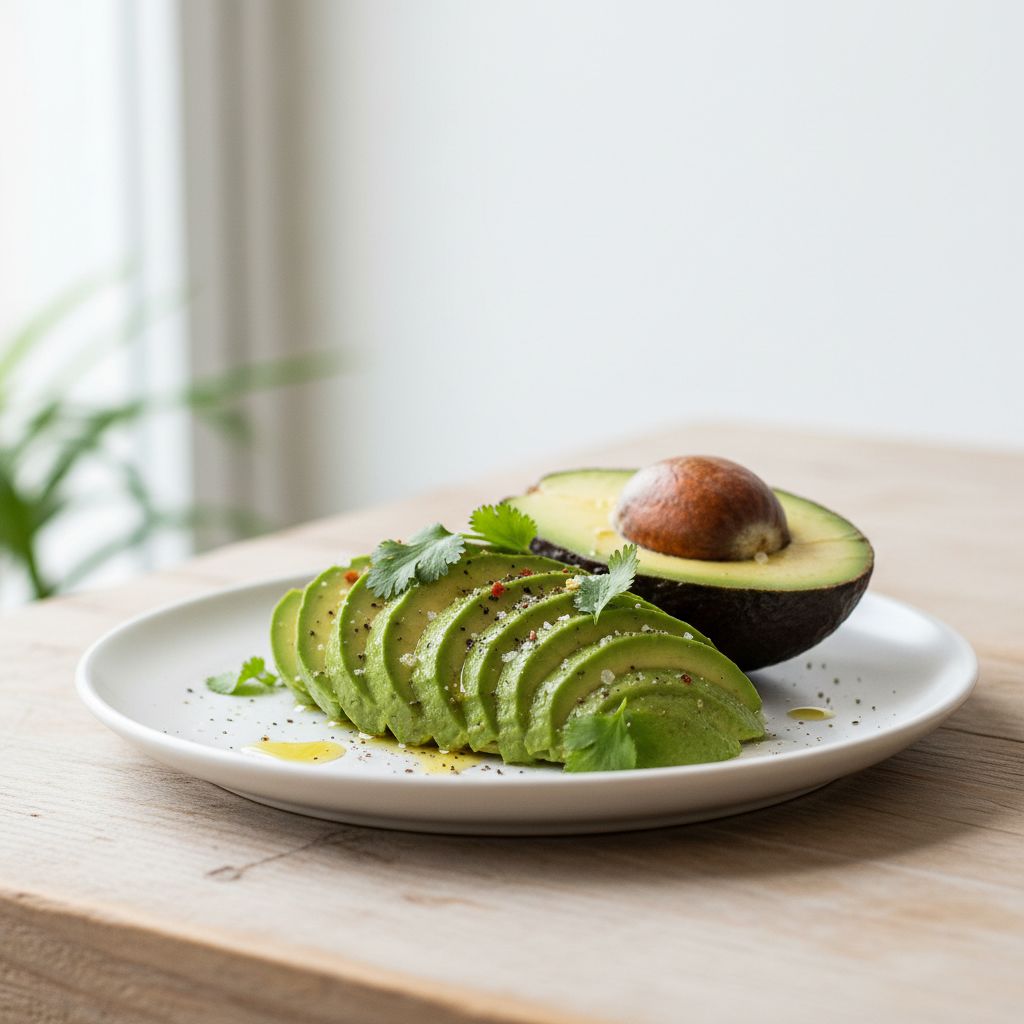
Recommended Anti-Inflammatory Foods
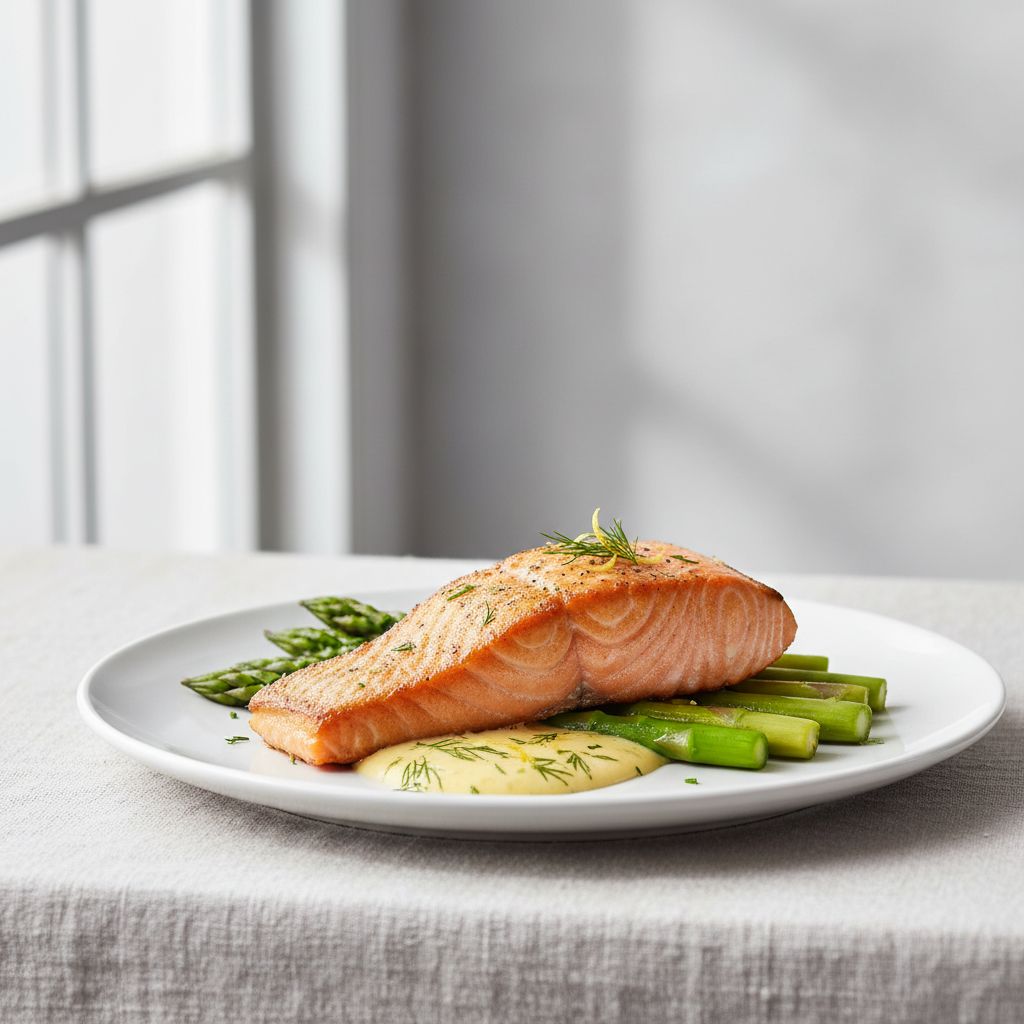
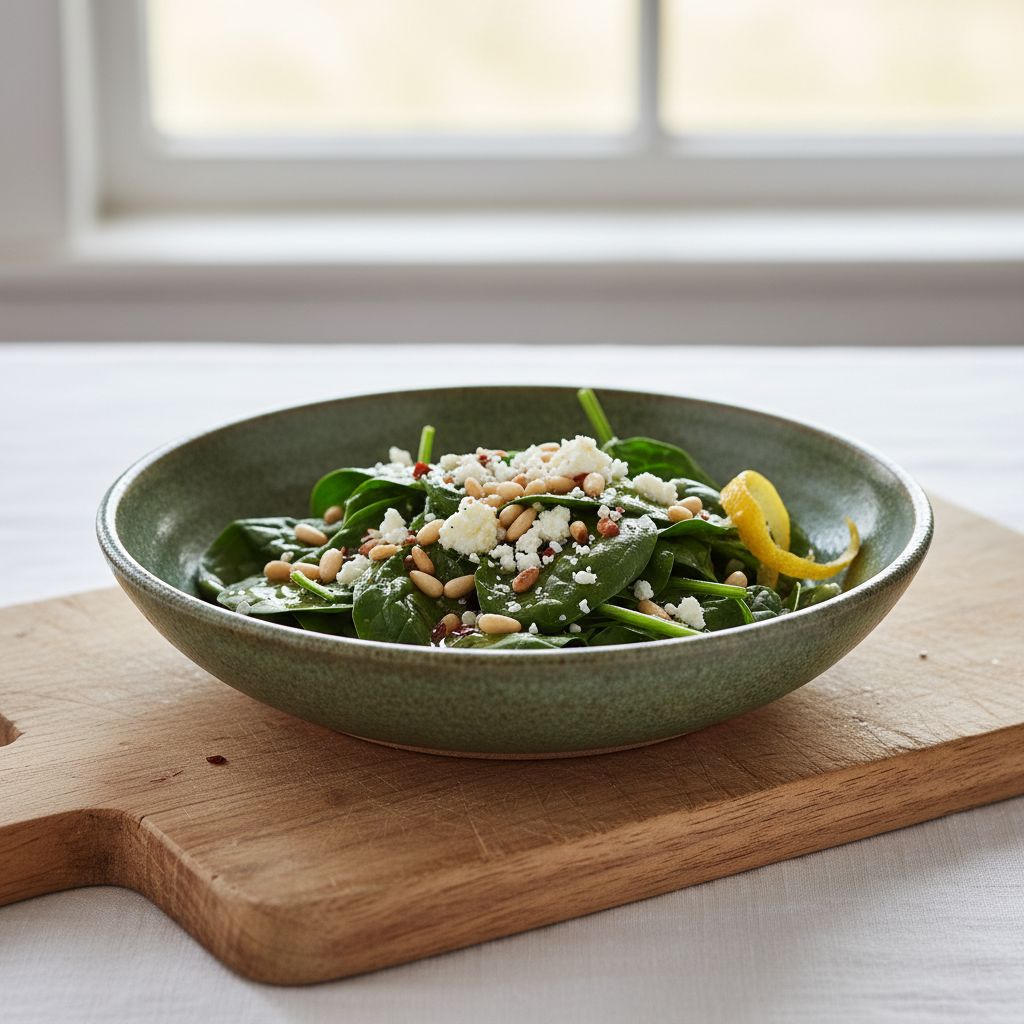
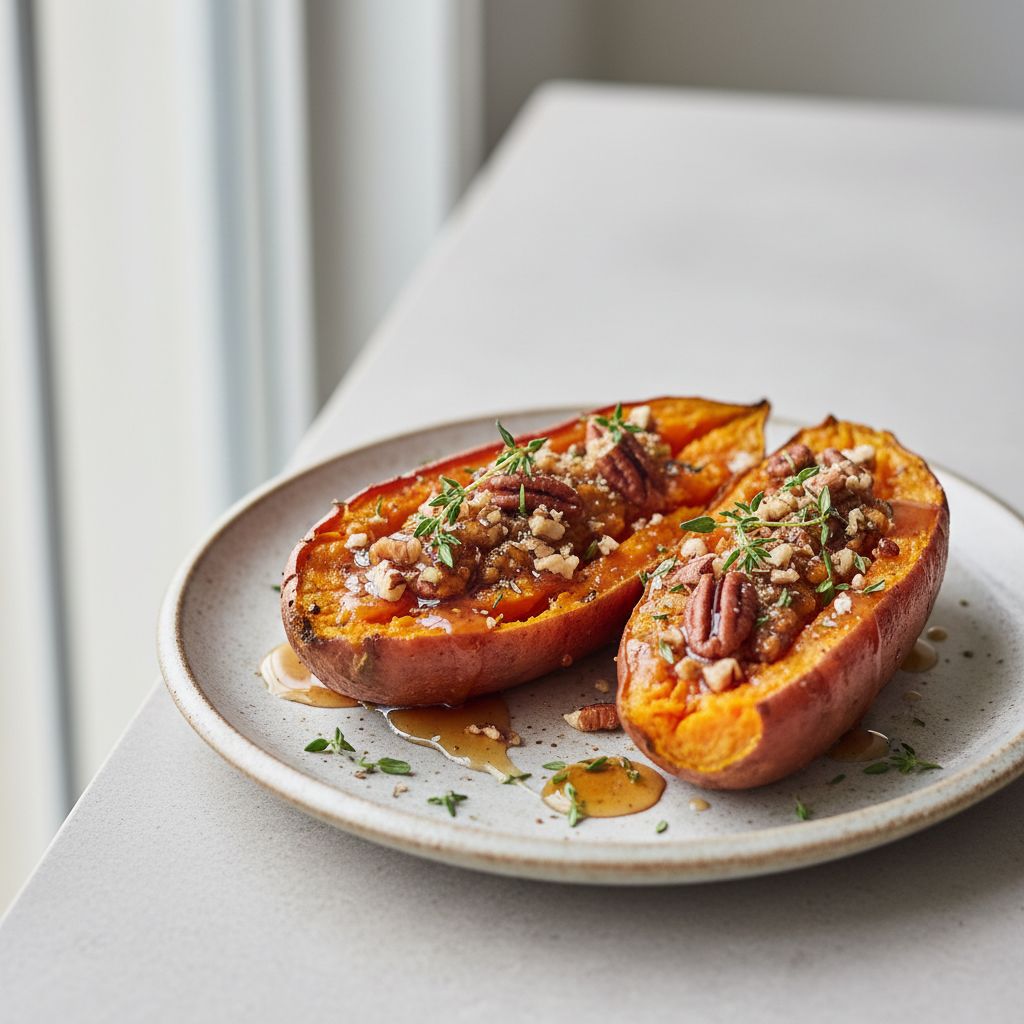
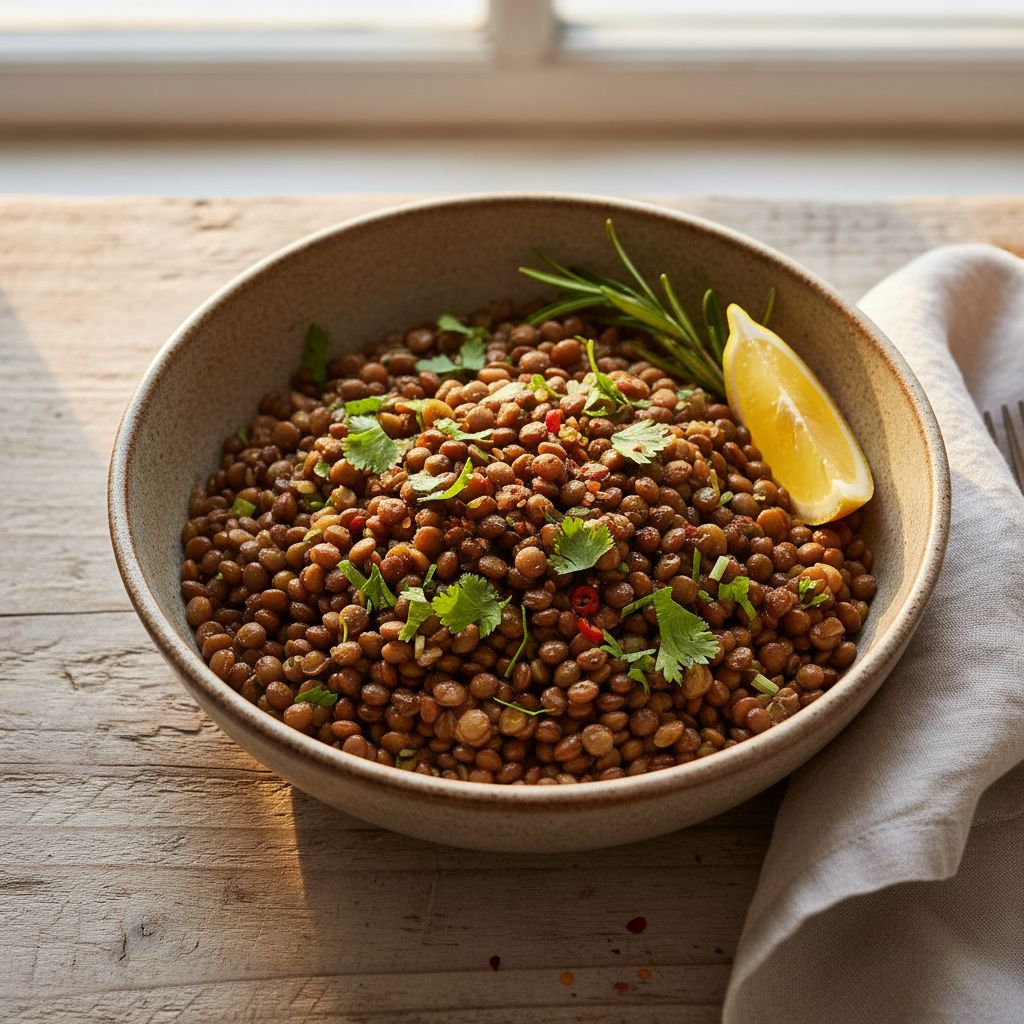
These foods have been shown to help reduce inflammation associated with chronic fatigue.


Foods to Avoid
These inflammatory foods can worsen chronic fatigue symptoms and should be limited or eliminated.







Free · iOS & Android
Scan any food, get its inflammation score in 2 seconds
Free AI scanner. Works in the supermarket, restaurant, or your kitchen.


Dietary Tips for Chronic Fatigue
Eat iron-rich foods like spinach and lentils paired with vitamin C for better absorption.
Include B-vitamin-rich foods like eggs, salmon, and mushrooms to support energy metabolism.
Choose complex carbs like sweet potatoes and quinoa for sustained energy without sugar crashes.
Avoid energy drinks and excessive caffeine which create energy debt and worsen fatigue long-term.
Eat small, frequent anti-inflammatory meals to maintain stable blood sugar and energy levels.
Include magnesium-rich foods like almonds and spinach, as deficiency is linked to fatigue.
Frequently Asked Questions
Can an anti-inflammatory diet help chronic fatigue syndrome?
Yes, research supports anti-inflammatory dietary interventions for chronic fatigue. By reducing systemic inflammation, you improve mitochondrial function and cellular energy production. Many CFS patients report significant improvements in energy levels, cognitive function, and overall well-being within 4-8 weeks of consistent anti-inflammatory eating.
What foods give you the most energy on an anti-inflammatory diet?
The best energy-boosting anti-inflammatory foods include salmon (B12 and omega-3s), spinach (iron and magnesium), eggs (B vitamins and protein), sweet potatoes (complex carbs and beta-carotene), almonds (magnesium and healthy fats), and quinoa (complete protein and complex carbs). These foods support mitochondrial function and sustained energy production.
Does sugar cause fatigue?
Yes, sugar is a major cause of fatigue. It creates rapid blood sugar spikes followed by crashes that leave you feeling exhausted. Sugar also triggers inflammatory responses that impair mitochondrial function and increases oxidative stress. Eliminating refined sugar is often the single most impactful dietary change for improving energy levels.
Educational content. Not medical advice.
Information on this page is for educational purposes only. It is not a substitute for professional medical advice, diagnosis, or treatment. Consult your healthcare provider before changing your diet, especially if you have a medical condition, take medications, or are pregnant or breastfeeding. Read the full disclaimer.
Scan a food in 2 seconds. Know if it's healing or hurting you.
Point your camera at any meal, ingredient, or label. Get an instant inflammation score, the science behind it, and better alternatives. All free.