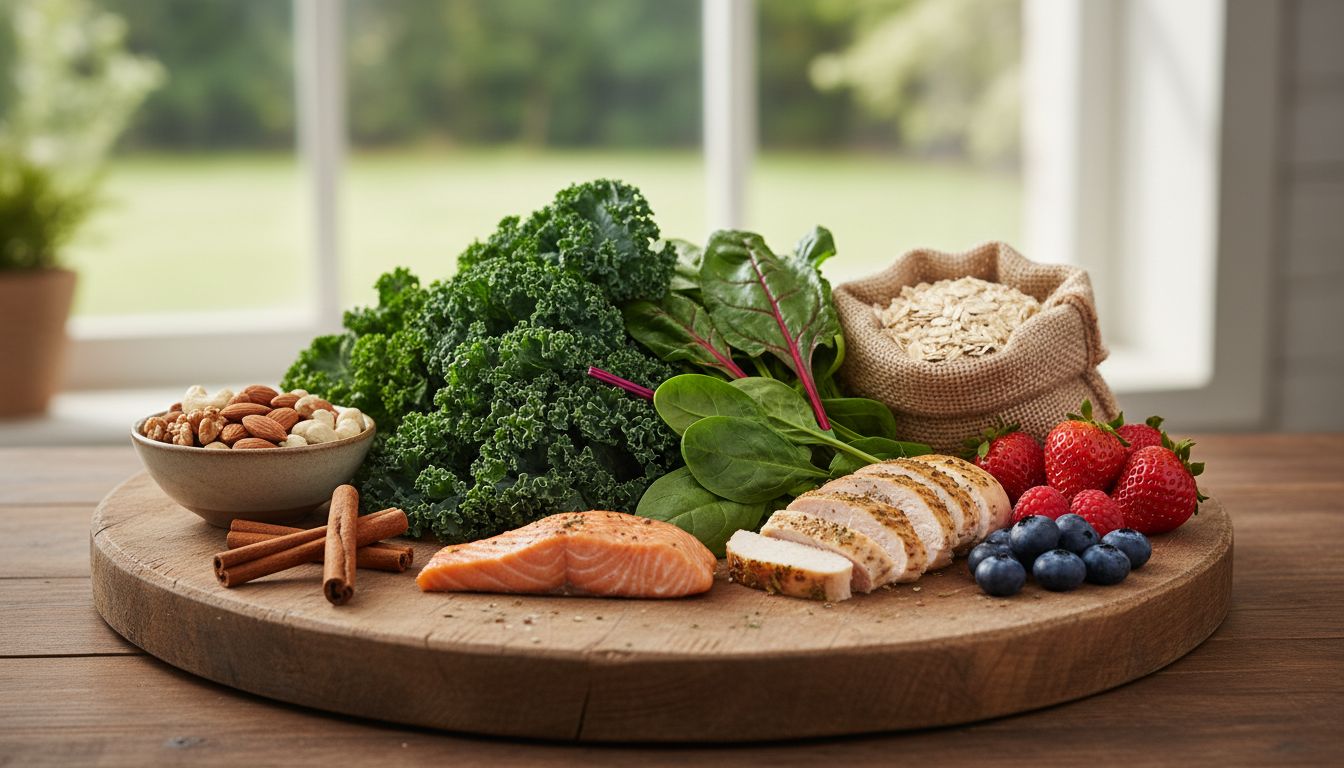
Anti-Inflammatory Diet for Diabetes
The foods, tips, and strategies to manage diabetes through anti-inflammatory eating.
Understanding Diabetes & Inflammation
Type 2 diabetes is fundamentally an inflammatory condition. Chronic low-grade inflammation in fat tissue and the pancreas drives insulin resistance — the hallmark of the disease. Pro-inflammatory cytokines interfere with insulin signaling pathways, forcing the pancreas to produce ever-increasing amounts of insulin until it eventually can't keep up, resulting in elevated blood sugar levels and all the downstream complications of diabetes.
An anti-inflammatory diet is one of the most powerful tools for managing and even reversing type 2 diabetes. By choosing low-glycemic, fiber-rich foods that don't spike blood sugar and simultaneously reduce inflammation, you attack the disease at both ends. Studies show that patients who adopt anti-inflammatory dietary patterns can reduce their HbA1c levels (a key diabetes marker) as effectively as some medications.
The key is replacing refined carbohydrates and processed foods with whole grains, legumes, non-starchy vegetables, healthy fats, and lean proteins. These foods provide steady energy without the inflammatory blood sugar spikes that worsen insulin resistance. Many patients who commit to these changes can reduce or eliminate their diabetes medications under medical supervision.
Common Symptoms
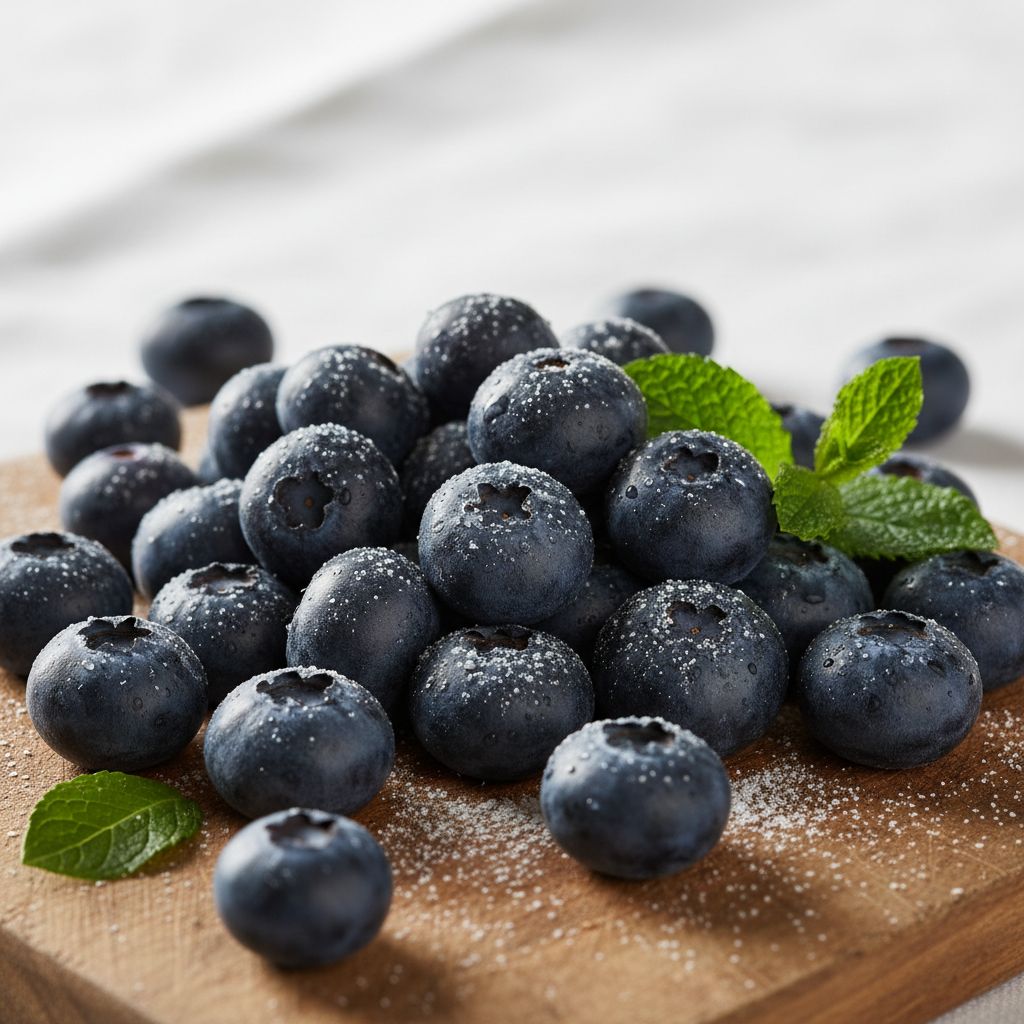
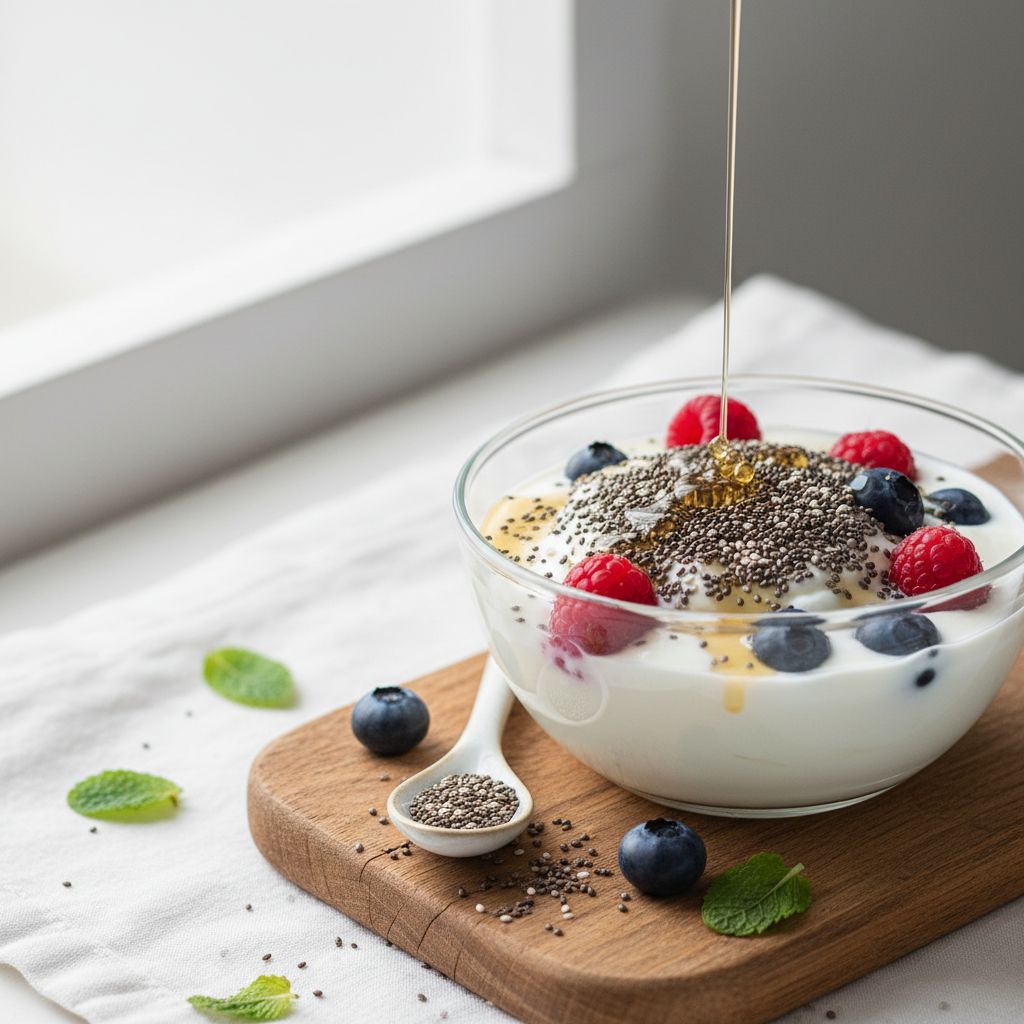
Recommended Anti-Inflammatory Foods
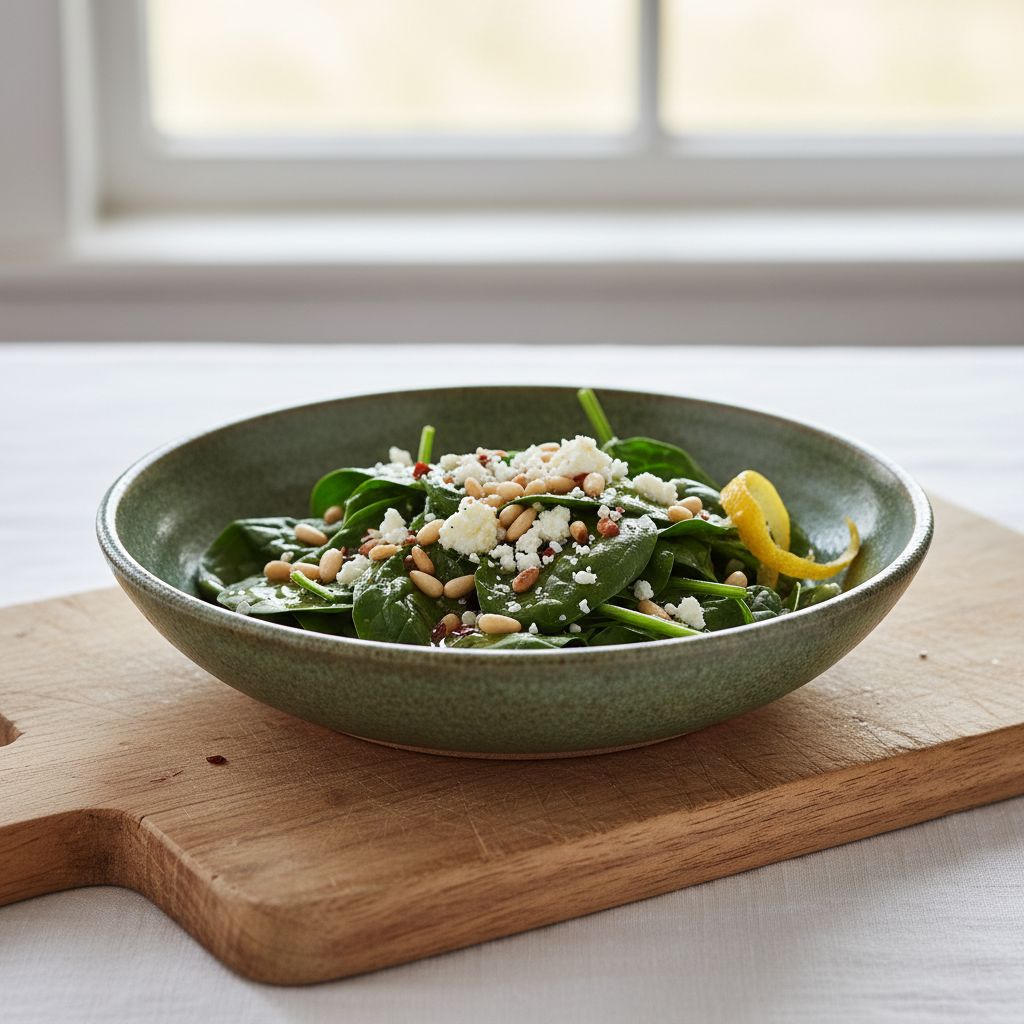
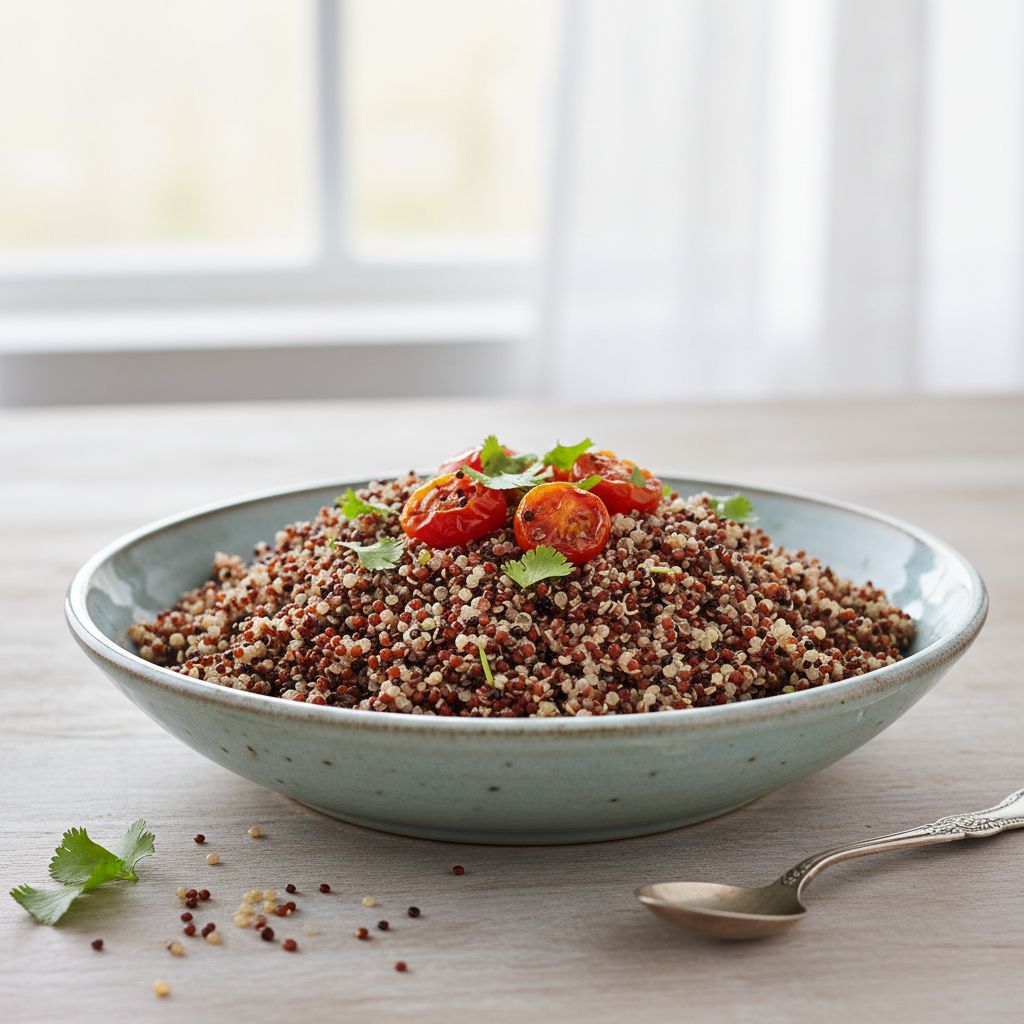
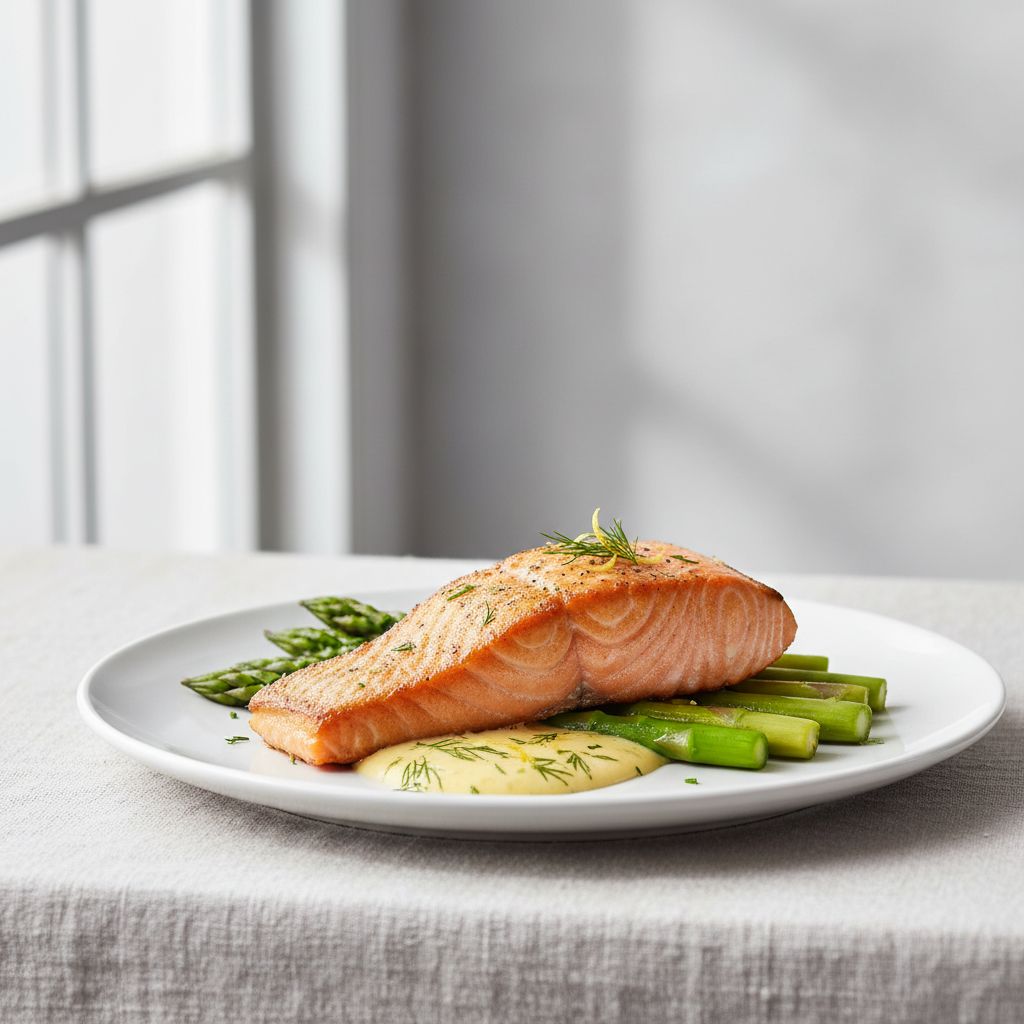
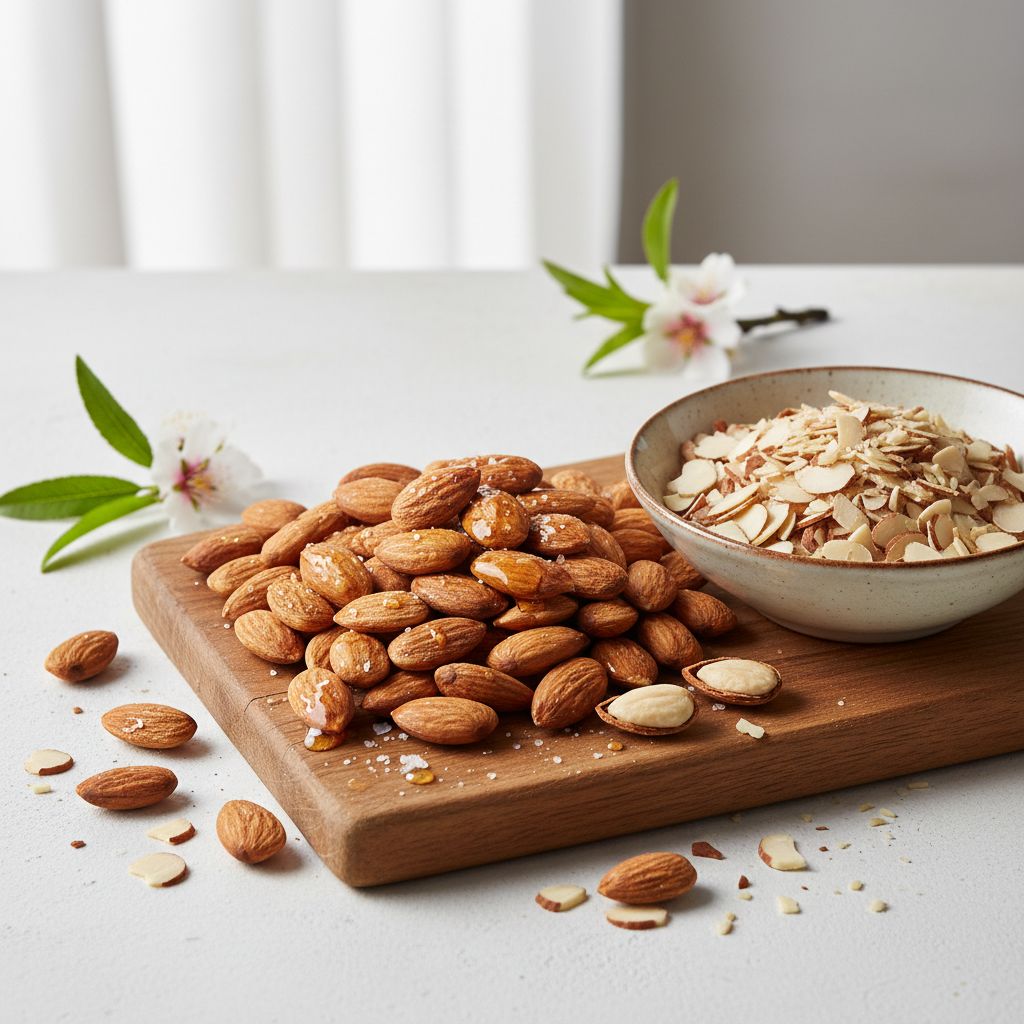
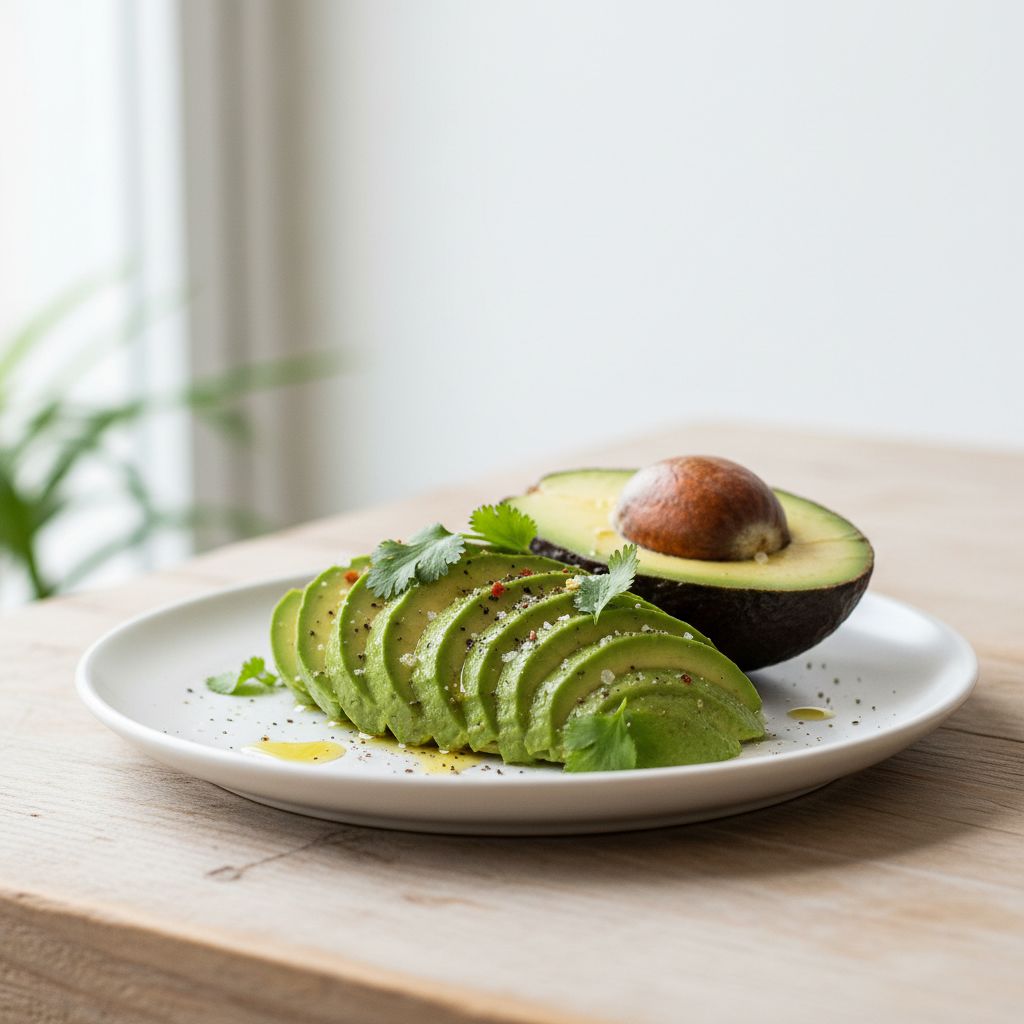
These foods have been shown to help reduce inflammation associated with diabetes.

Foods to Avoid
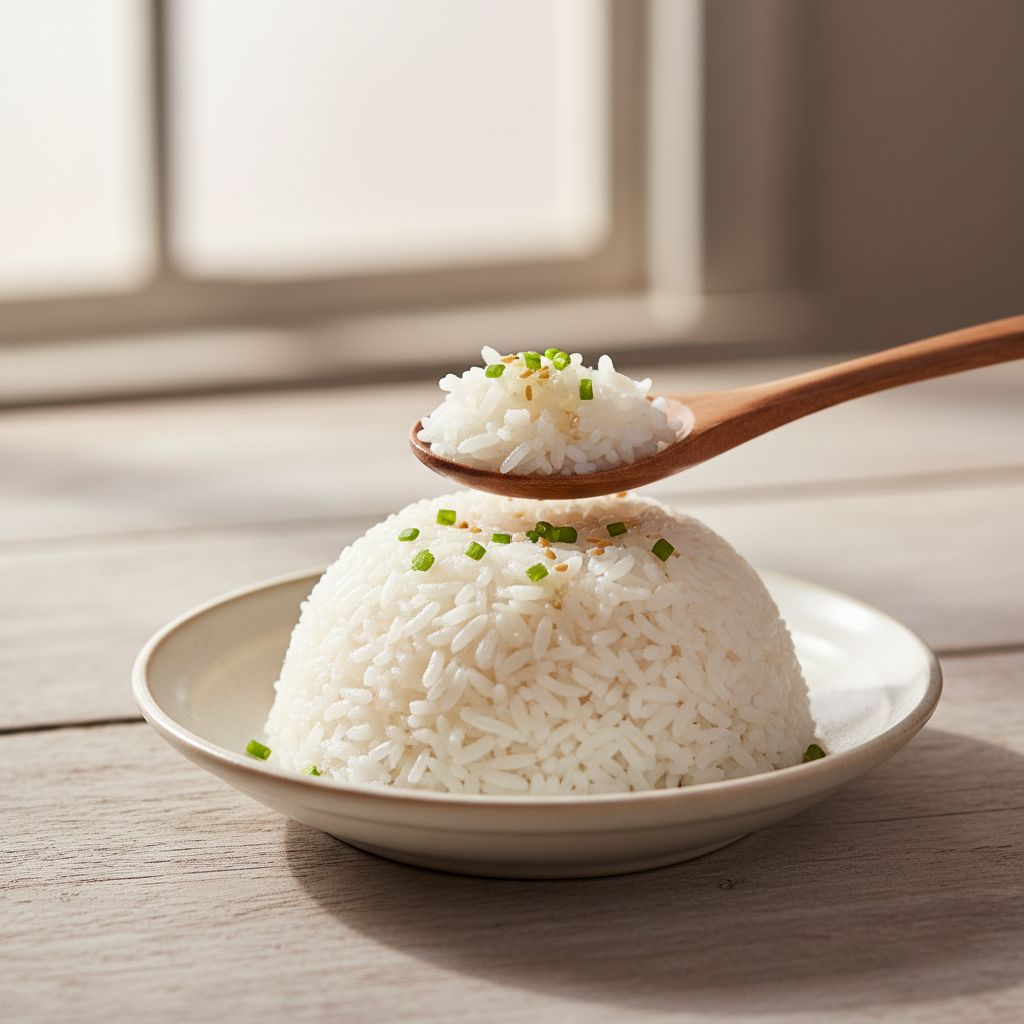
These inflammatory foods can worsen diabetes symptoms and should be limited or eliminated.








Free · iOS & Android
Scan any food, get its inflammation score in 2 seconds
Free AI scanner. Works in the supermarket, restaurant, or your kitchen.


Dietary Tips for Diabetes
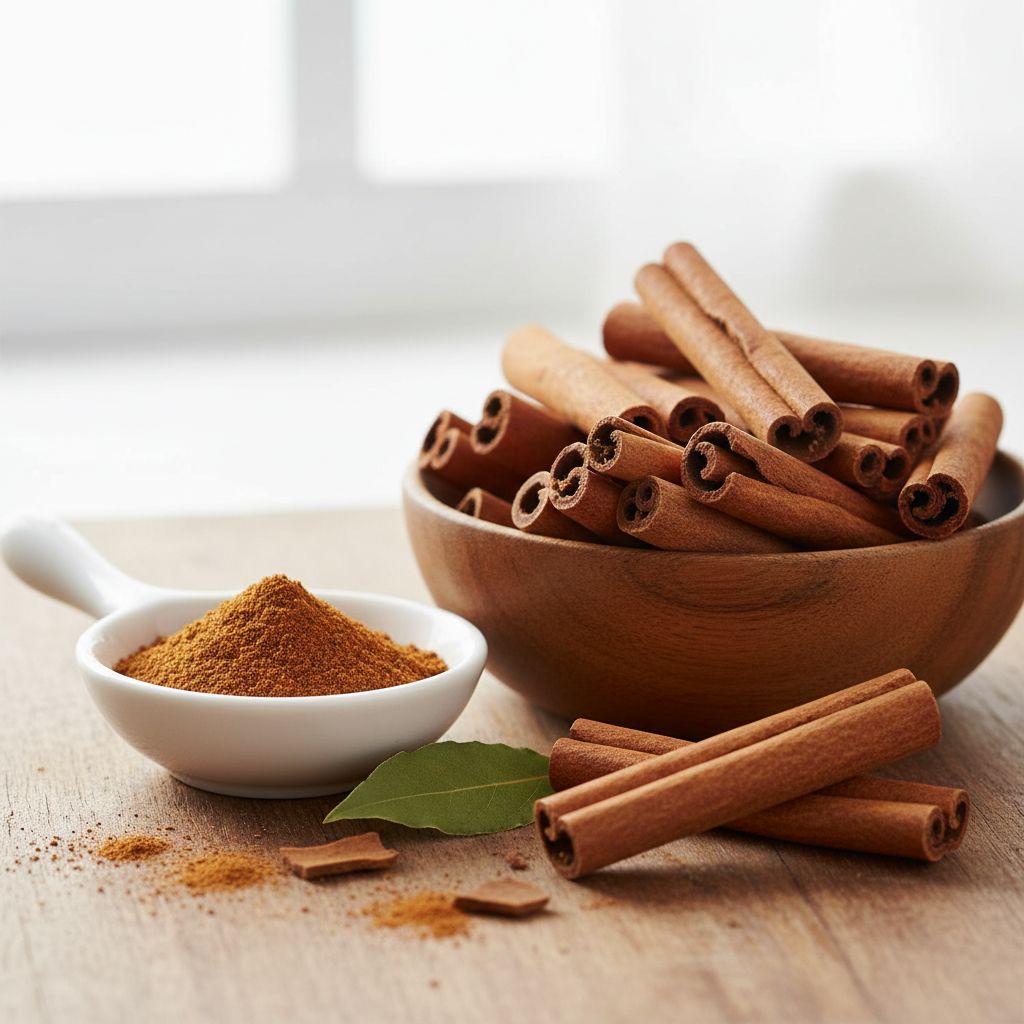
Add cinnamon to meals and drinks — it improves insulin sensitivity and has anti-inflammatory properties.
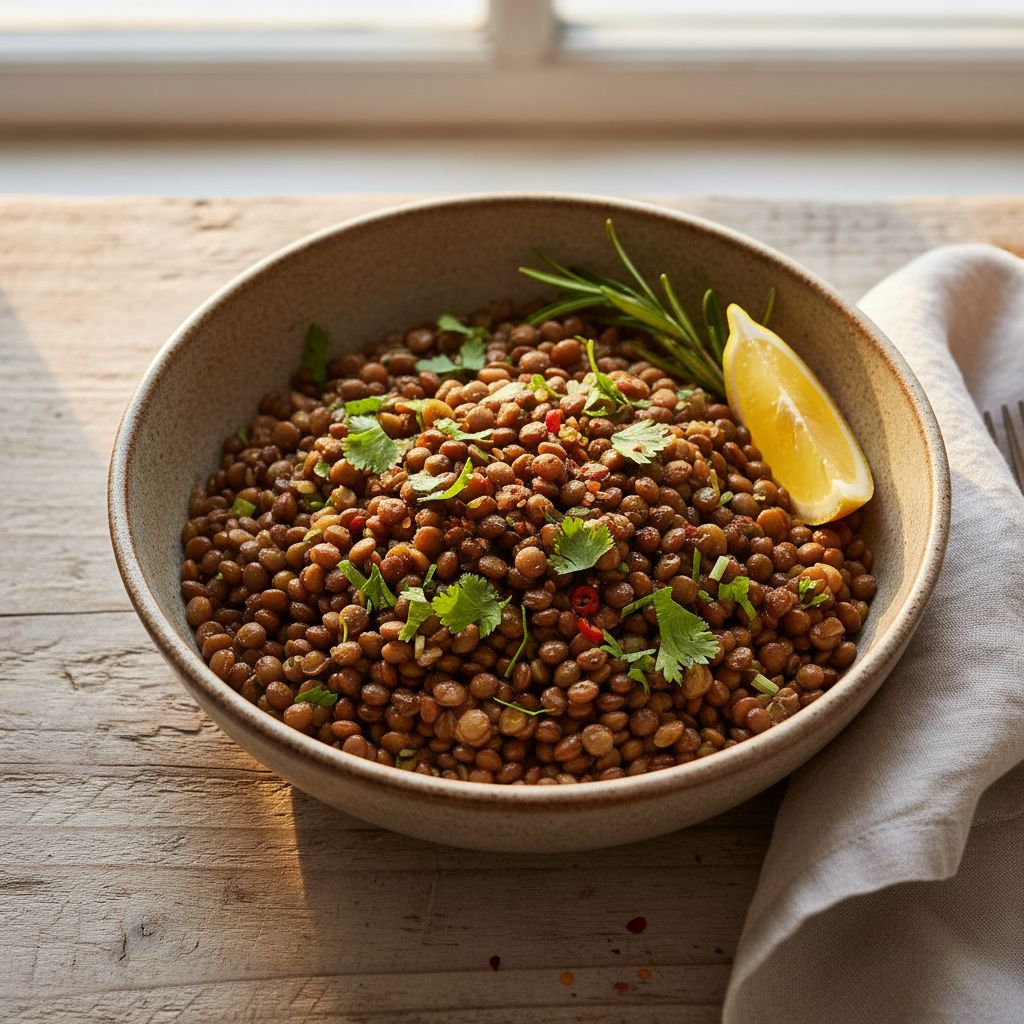
Choose low-glycemic carbs like lentils, quinoa, and oats over refined grains and white rice.
Include healthy fats from avocado, almonds, and olive oil to slow glucose absorption.
Eat non-starchy vegetables like spinach and broccoli at every meal for fiber and nutrients.
Avoid sugary beverages entirely — they cause rapid blood sugar spikes and inflammation.
Include chia seeds and flaxseeds for fiber and omega-3s that improve insulin response.
Frequently Asked Questions
Can an anti-inflammatory diet reverse type 2 diabetes?
Research shows that an anti-inflammatory diet combined with weight loss can put type 2 diabetes into remission in many cases. Studies demonstrate that reducing inflammatory foods, losing 10-15% of body weight, and focusing on whole foods can normalize blood sugar levels. Always work with your healthcare provider when making significant dietary changes.
What are the best anti-inflammatory foods for blood sugar control?
The best foods for blood sugar control include cinnamon (improves insulin sensitivity), lentils and legumes (low-glycemic, high-fiber), leafy greens like spinach (minimal blood sugar impact), chia seeds (slows glucose absorption), and fatty fish like salmon (reduces inflammatory markers that drive insulin resistance).
Why does inflammation cause insulin resistance?
Inflammatory cytokines like TNF-alpha and IL-6 directly interfere with insulin receptor signaling in cells, making them less responsive to insulin. This forces the pancreas to produce more insulin, eventually leading to exhaustion and diabetes. By reducing dietary inflammation, you improve the cellular response to insulin.
Educational content. Not medical advice.
Information on this page is for educational purposes only. It is not a substitute for professional medical advice, diagnosis, or treatment. Consult your healthcare provider before changing your diet, especially if you have a medical condition, take medications, or are pregnant or breastfeeding. Read the full disclaimer.
Scan a food in 2 seconds. Know if it's healing or hurting you.
Point your camera at any meal, ingredient, or label. Get an instant inflammation score, the science behind it, and better alternatives. All free.