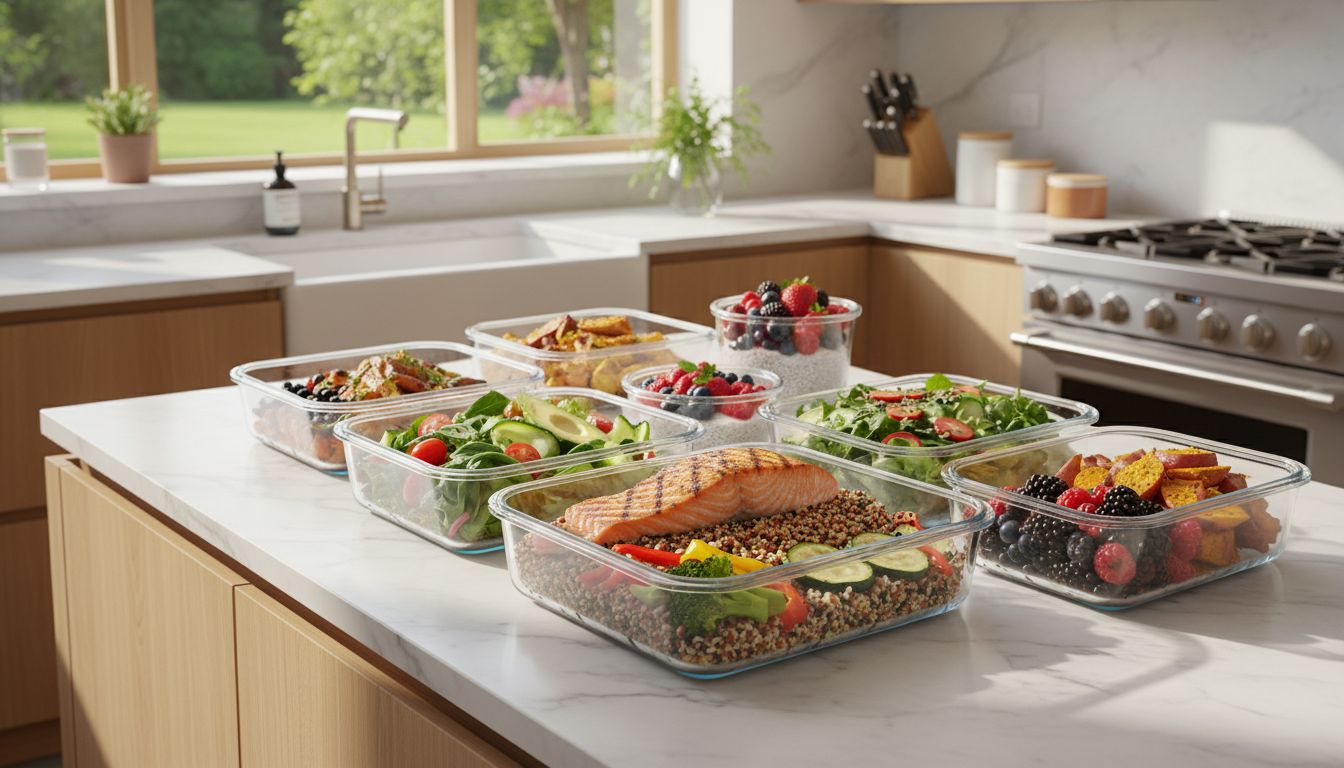
Anti-Inflammatory Diet for Weight Loss
The foods, tips, and strategies to manage weight loss through anti-inflammatory eating.
Understanding Weight Loss & Inflammation
Chronic inflammation and excess weight are closely interconnected in a vicious cycle. Fat tissue, especially visceral fat around organs, is metabolically active and produces inflammatory cytokines like TNF-alpha and IL-6. This persistent low-grade inflammation disrupts hunger hormones (leptin and ghrelin), promotes insulin resistance, and makes it increasingly difficult to lose weight through conventional calorie restriction alone.
An anti-inflammatory approach to weight loss addresses the root cause rather than just the symptoms. By choosing foods that reduce inflammation — rich in omega-3 fatty acids, fiber, and antioxidants — you can restore hormonal balance, improve insulin sensitivity, and support your body's natural fat-burning mechanisms. This approach is more sustainable than restrictive dieting because it focuses on nourishment rather than deprivation.
Studies show that the Mediterranean and anti-inflammatory diets outperform low-fat diets for long-term weight management. Participants not only lose more weight but also maintain their results better over time. The key is replacing inflammatory processed foods with whole, nutrient-dense alternatives that keep you satiated and energized throughout the day.
Common Symptoms
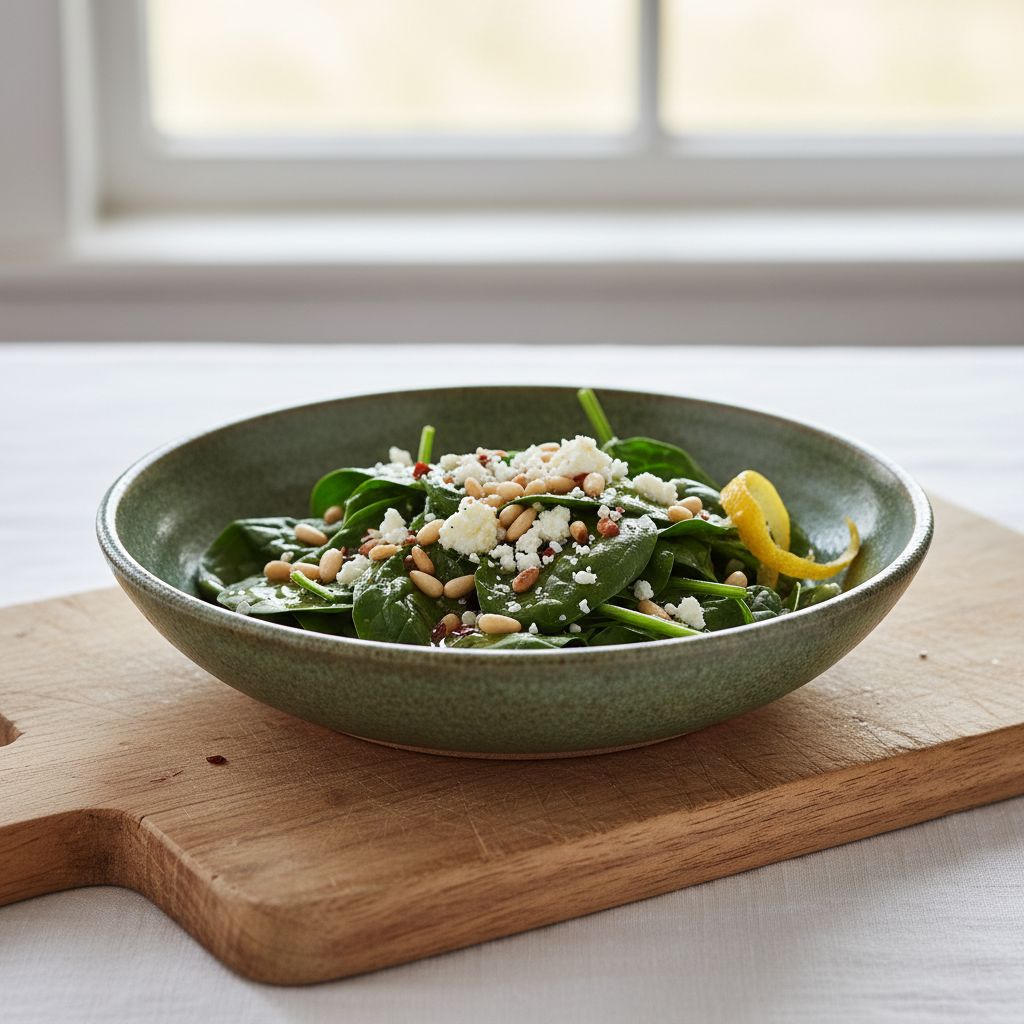
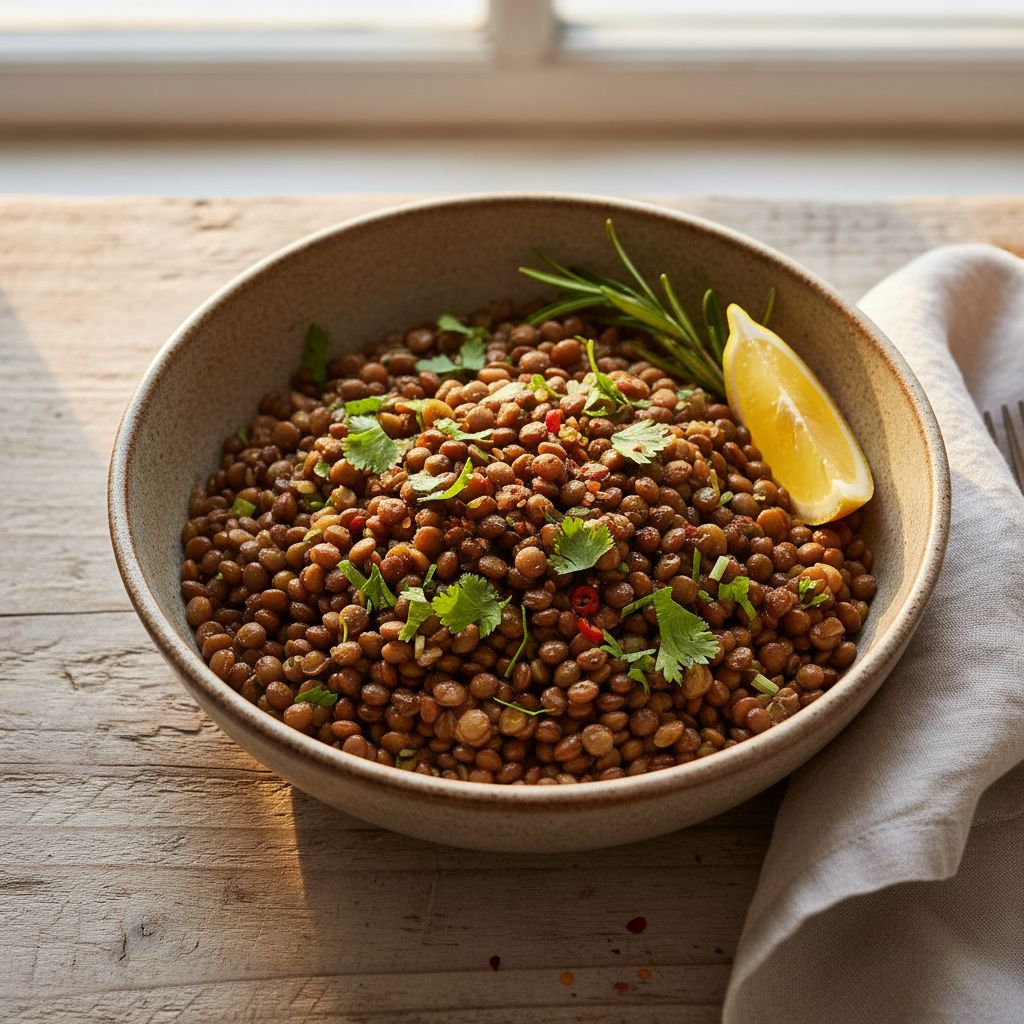
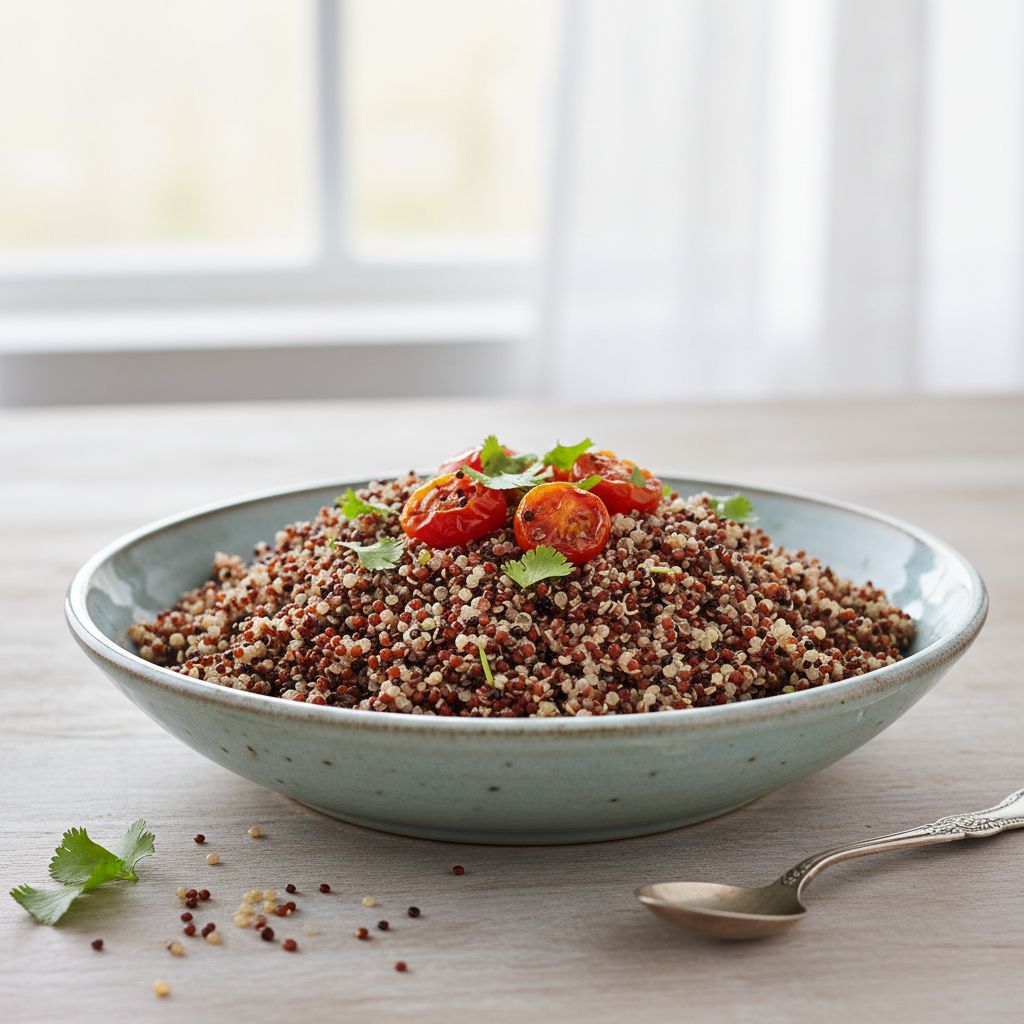
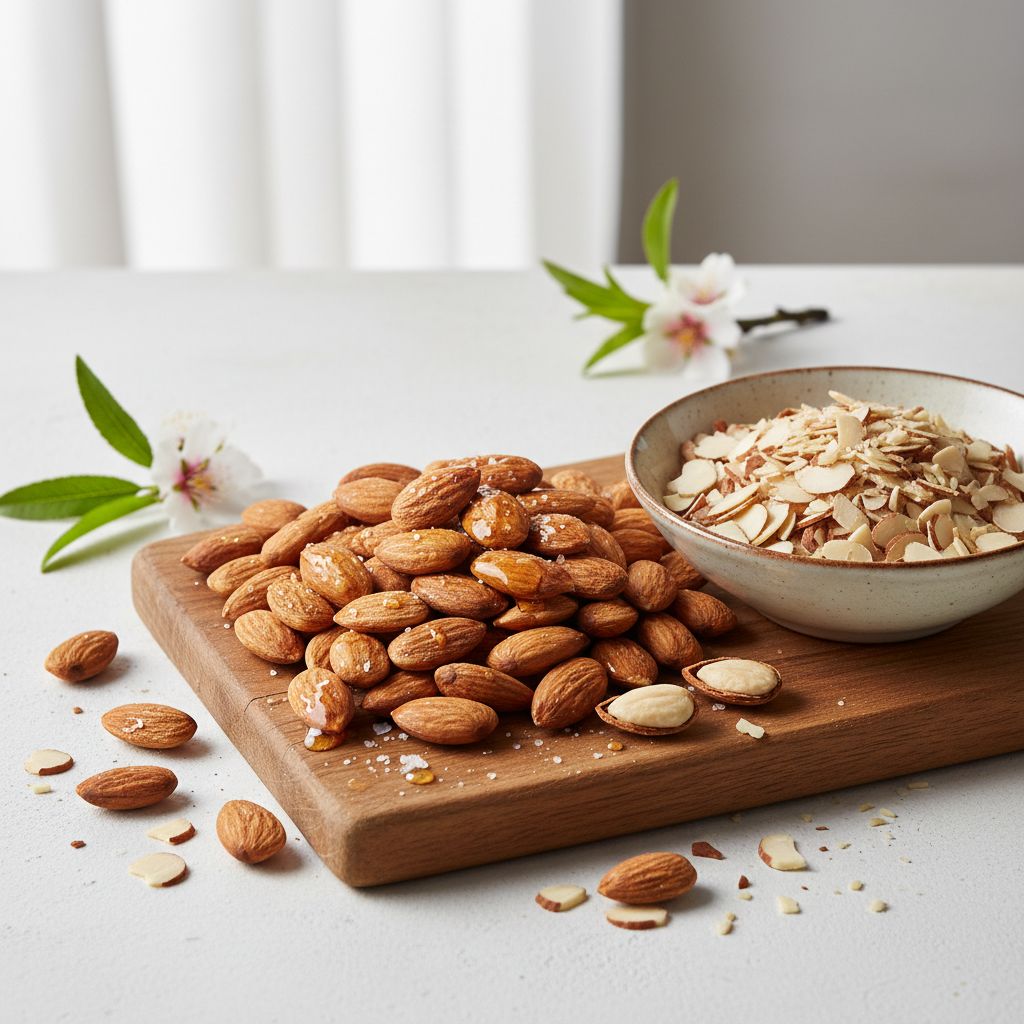
Recommended Anti-Inflammatory Foods
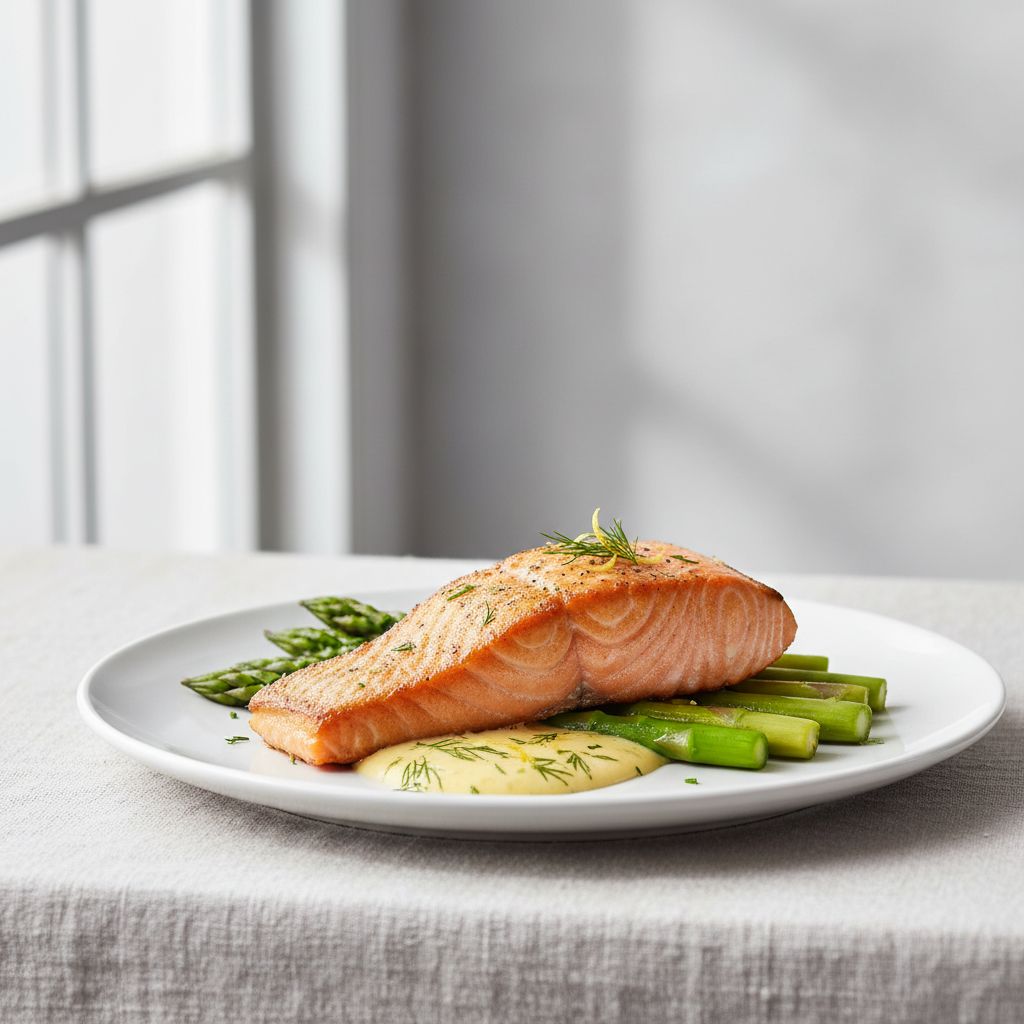
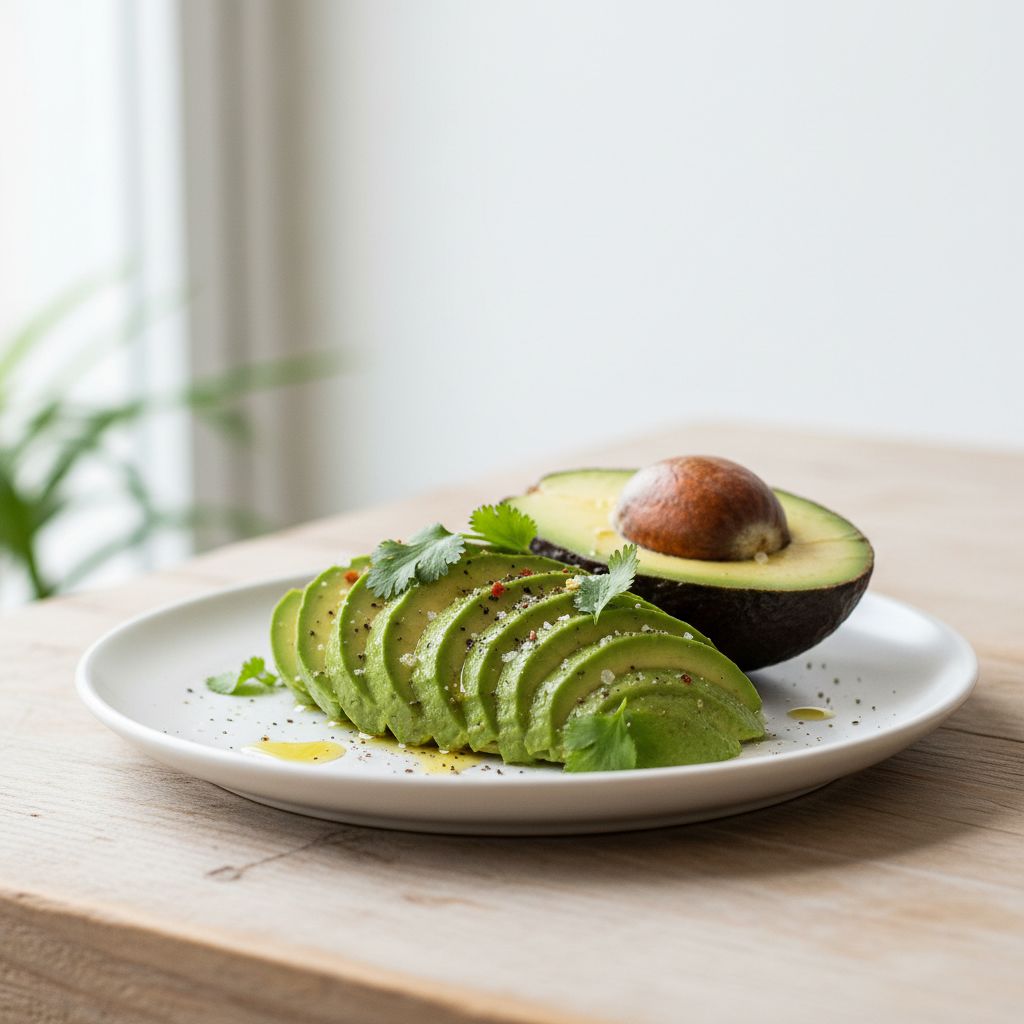
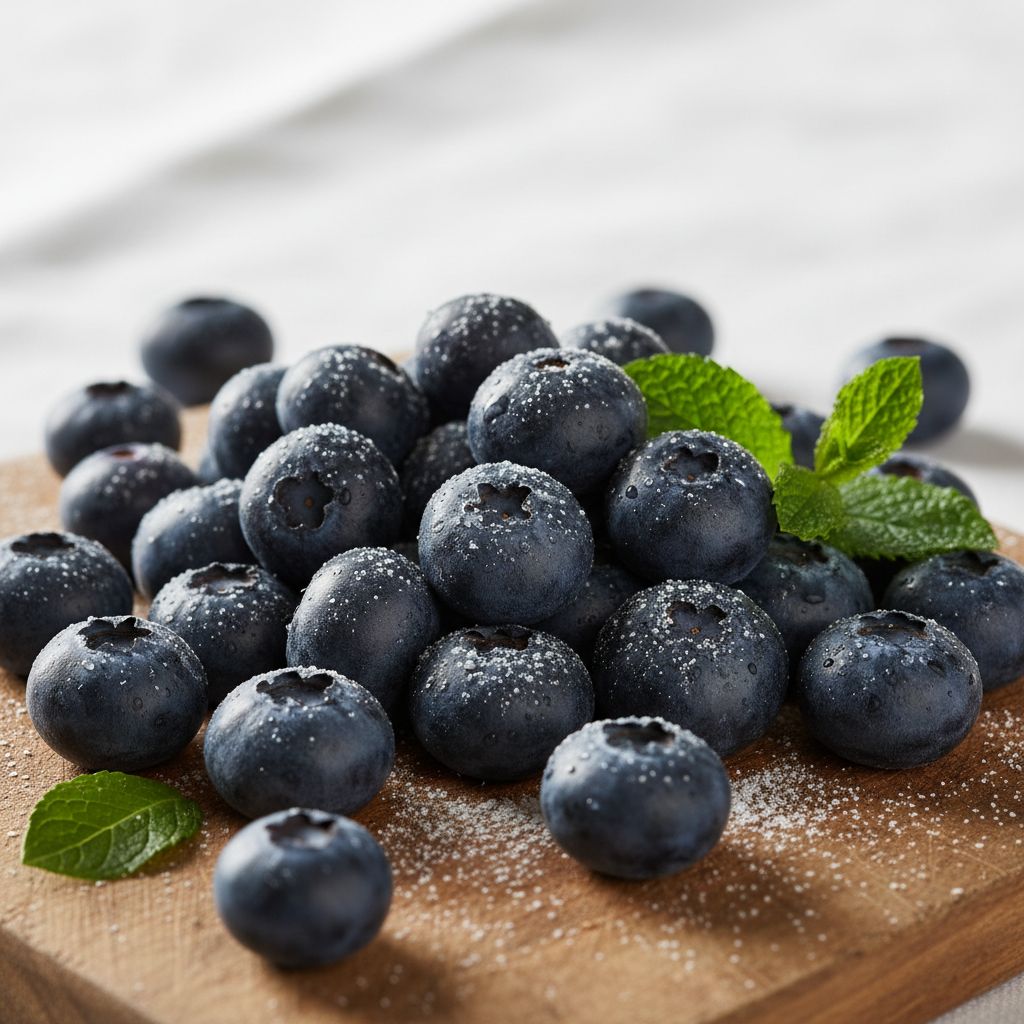
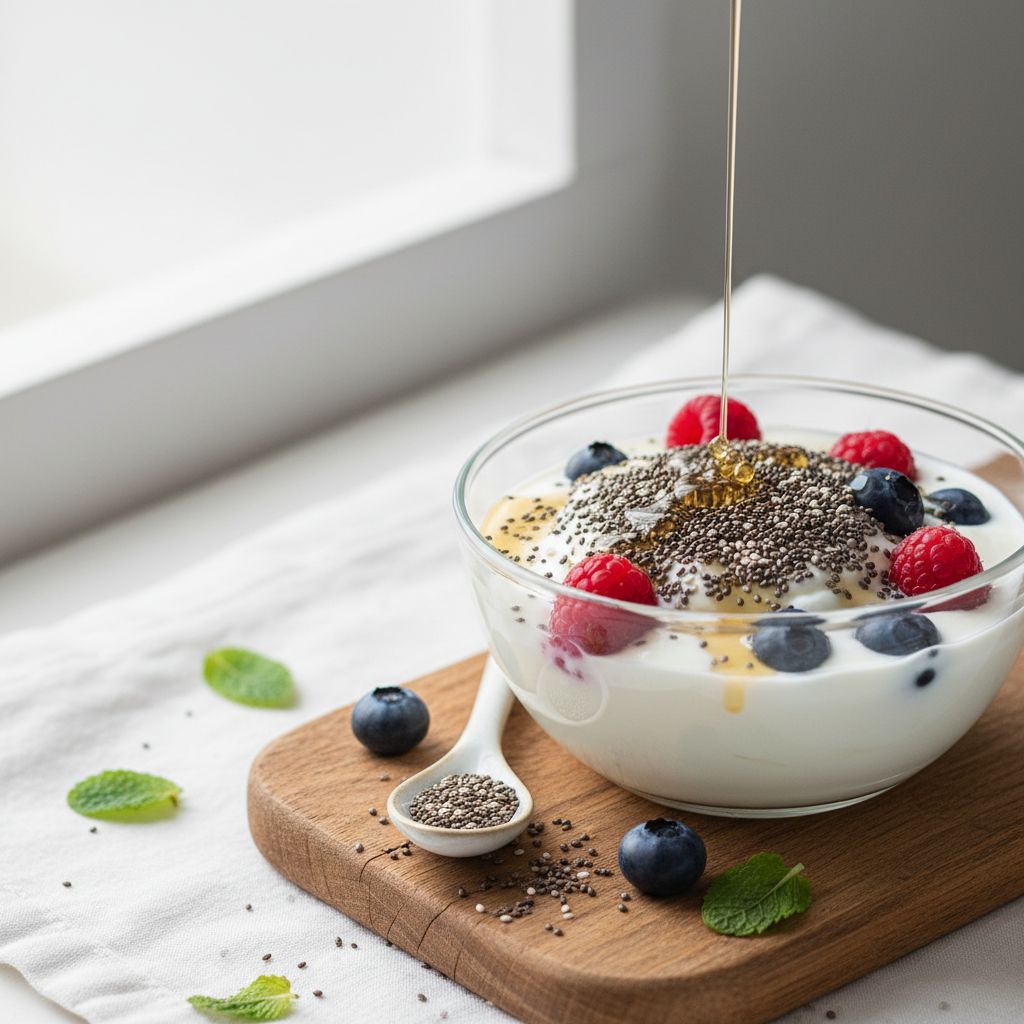
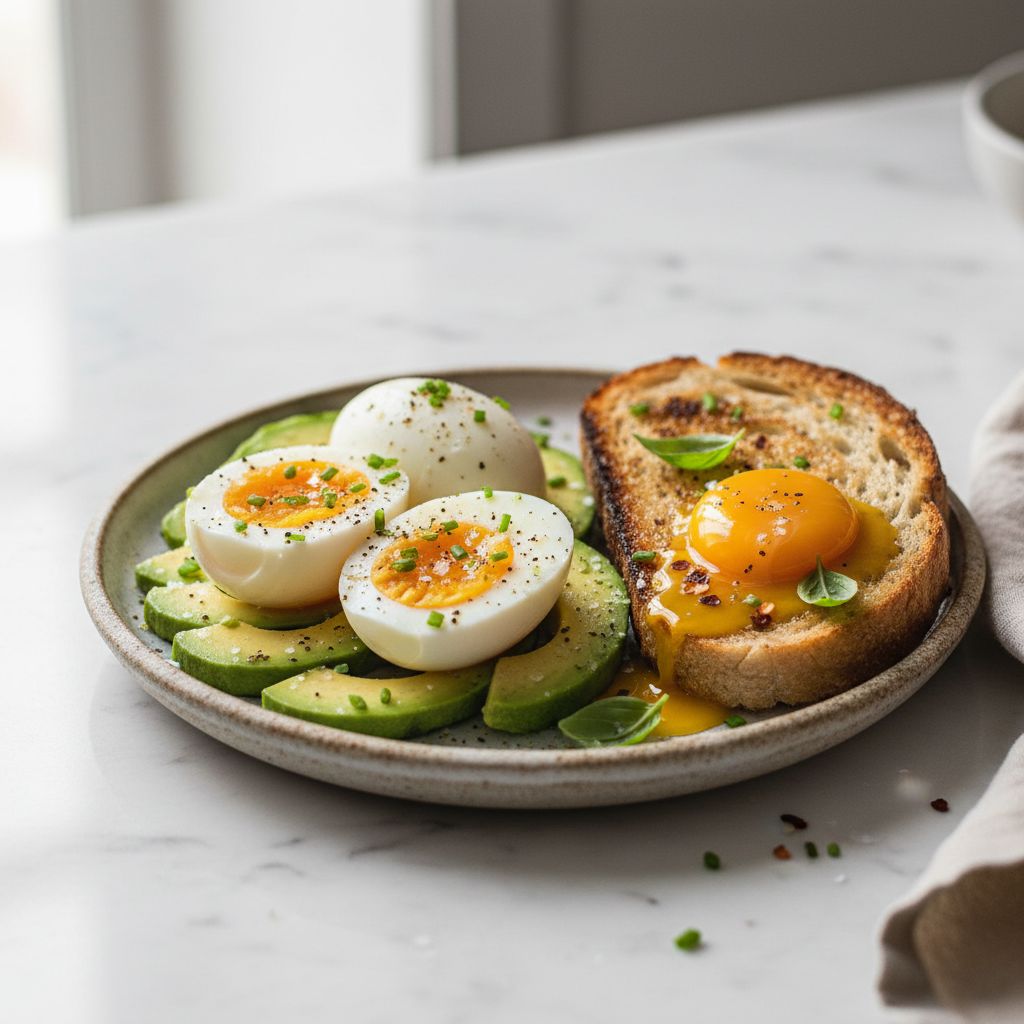
These foods have been shown to help reduce inflammation associated with weight loss.

Foods to Avoid
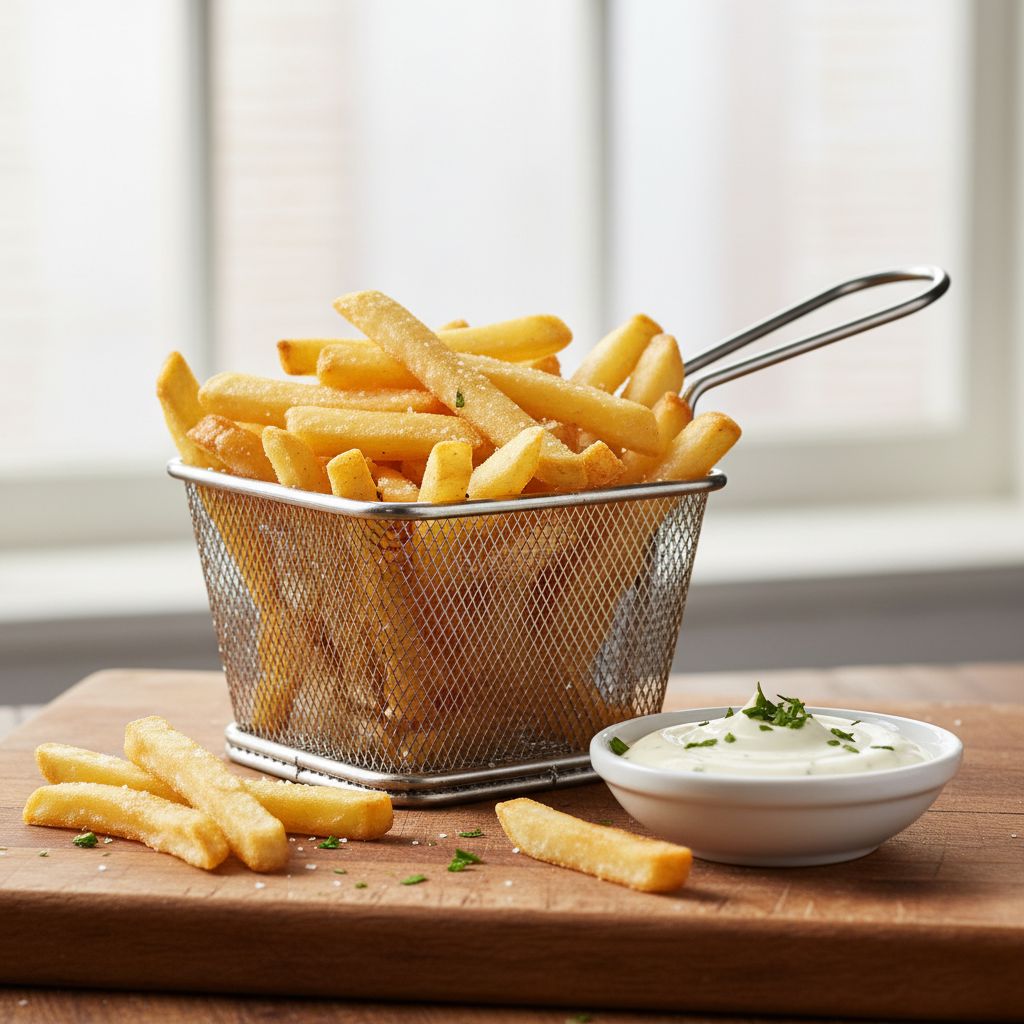
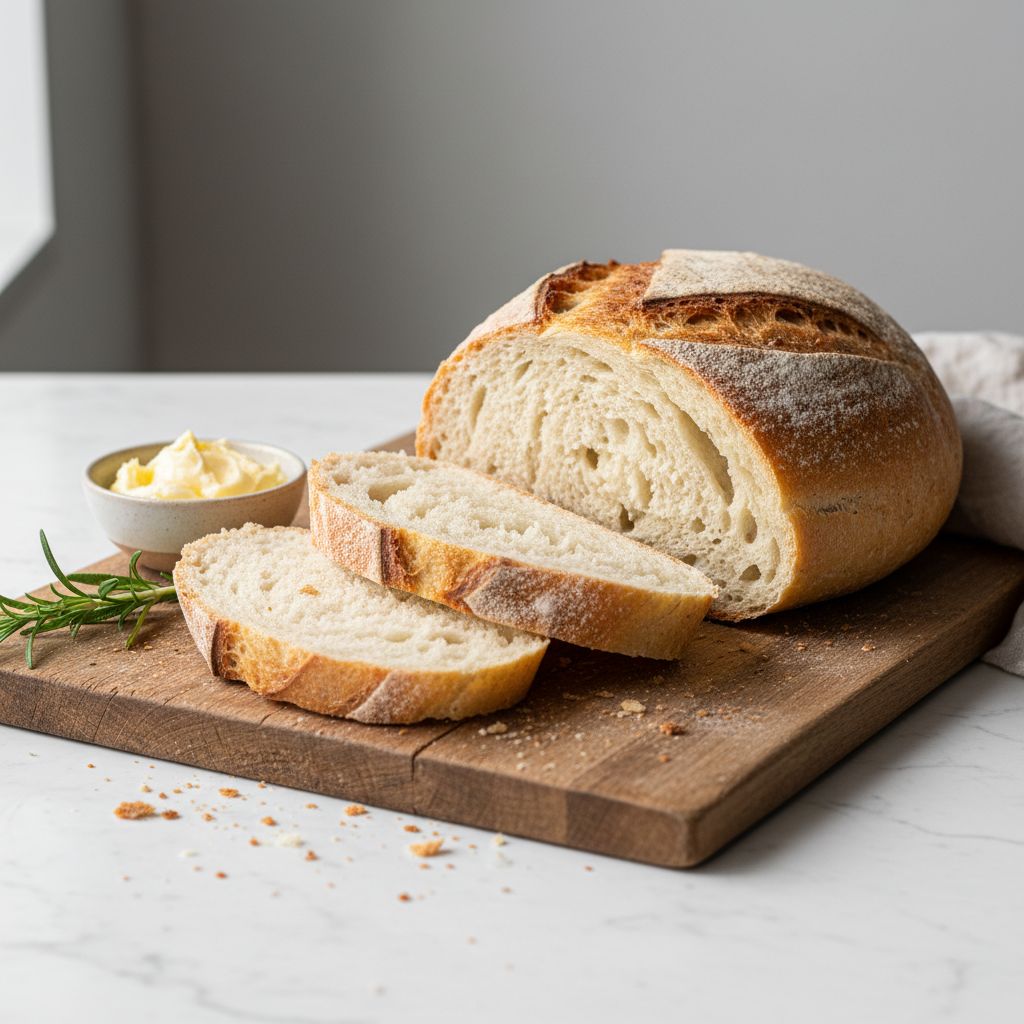
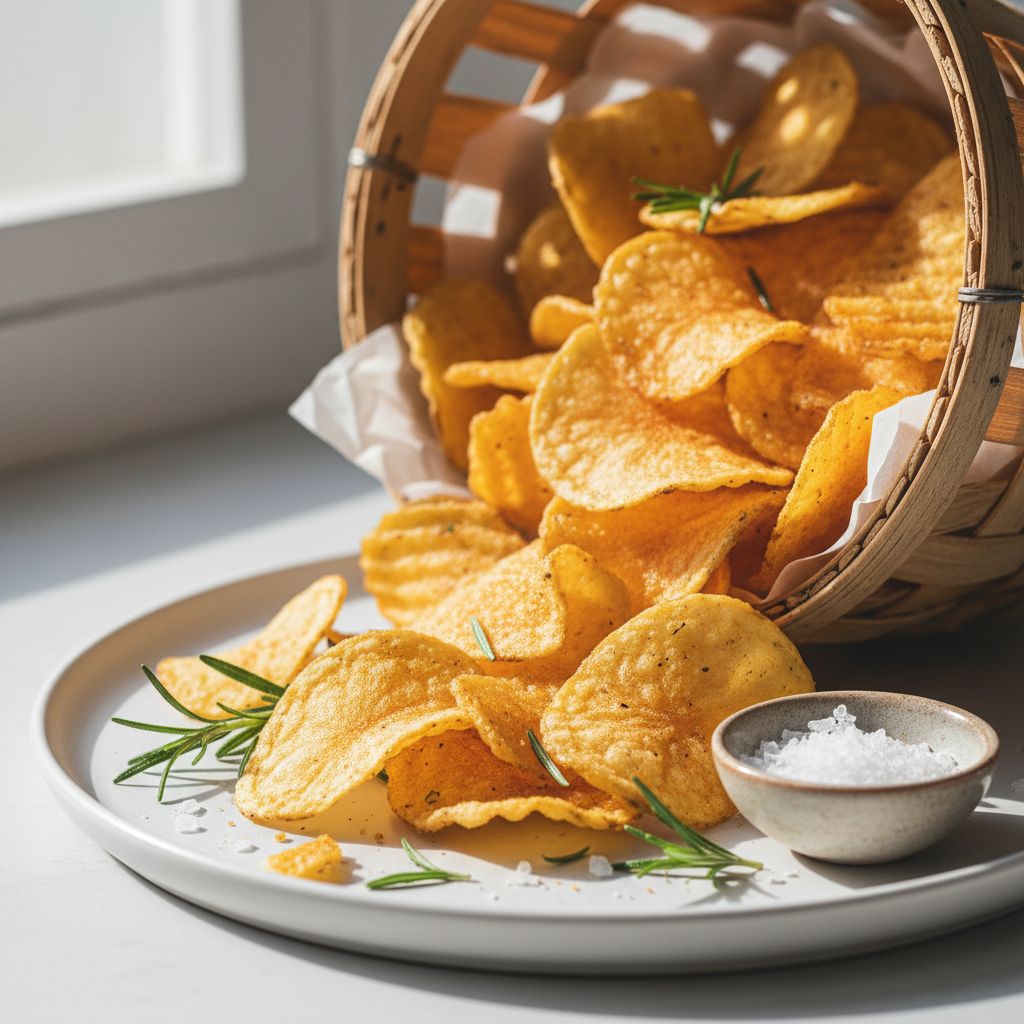
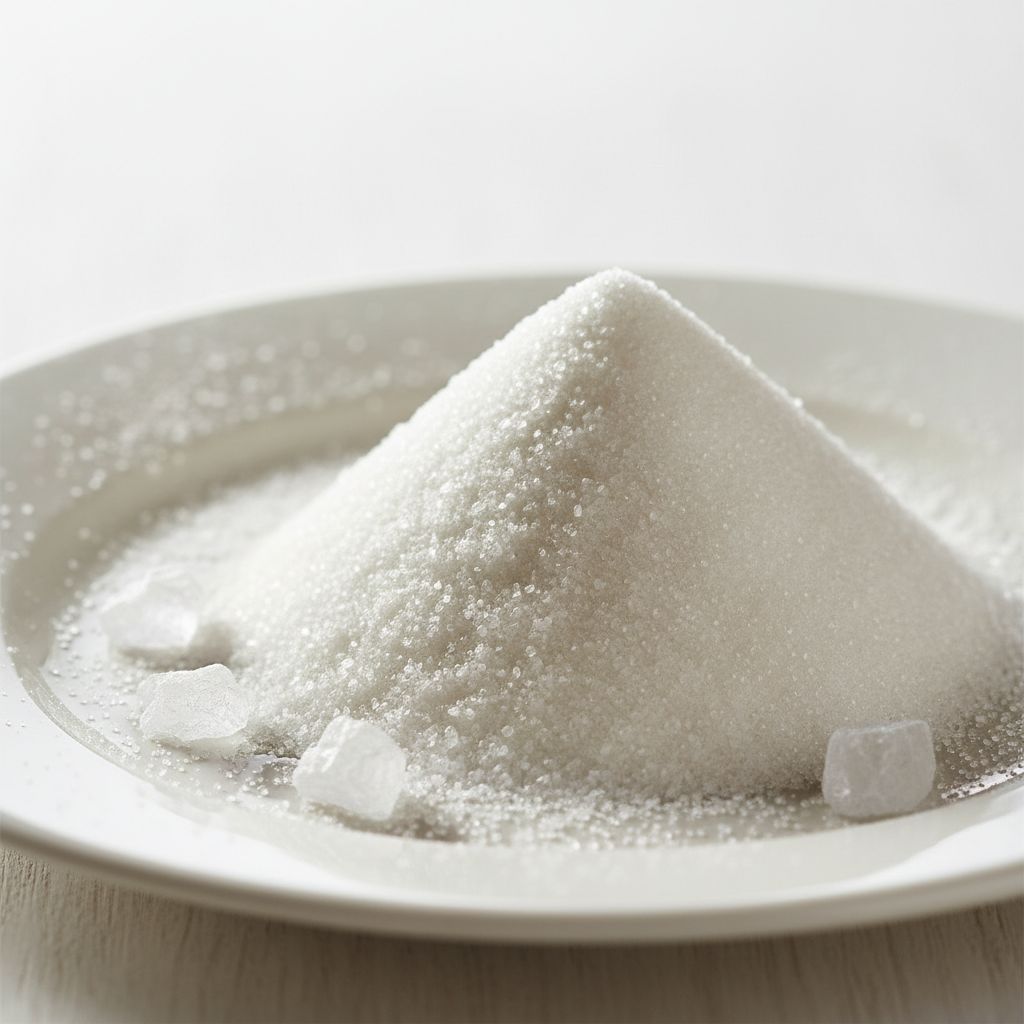
These inflammatory foods can worsen weight loss symptoms and should be limited or eliminated.





Free · iOS & Android
Scan any food, get its inflammation score in 2 seconds
Free AI scanner. Works in the supermarket, restaurant, or your kitchen.


Dietary Tips for Weight Loss
Start your day with protein-rich anti-inflammatory foods like eggs or a smoothie with chia seeds.
Replace sugary drinks with green tea, which boosts metabolism and contains anti-inflammatory catechins.
Include healthy fats from avocado, nuts, and olive oil to promote satiety and reduce cravings.
Eat fiber-rich foods like lentils and quinoa to stabilize blood sugar and keep you full longer.
Avoid processed snacks and replace them with whole food alternatives like almonds or berries.
Practice time-restricted eating to reduce inflammation and support metabolic health.
Frequently Asked Questions
How does inflammation prevent weight loss?
Chronic inflammation disrupts leptin signaling (the hormone that tells your brain you're full), promotes insulin resistance (causing your body to store more fat), and increases cortisol levels (which drives belly fat storage). By reducing inflammation through diet, you restore these hormonal pathways and make weight loss significantly easier.
What is the best anti-inflammatory diet for weight loss?
The Mediterranean diet combined with anti-inflammatory principles is the most effective approach. Focus on fatty fish, leafy greens, berries, nuts, olive oil, and legumes while eliminating processed foods, refined sugars, and inflammatory oils. This approach supports sustainable weight loss of 1-2 pounds per week.
Can you lose belly fat with an anti-inflammatory diet?
Yes, visceral belly fat is particularly responsive to anti-inflammatory dietary changes because it is the most metabolically active and inflammation-producing fat tissue. Reducing inflammatory foods and increasing omega-3s, fiber, and antioxidants can specifically target belly fat reduction over 8-12 weeks.
Educational content. Not medical advice.
Information on this page is for educational purposes only. It is not a substitute for professional medical advice, diagnosis, or treatment. Consult your healthcare provider before changing your diet, especially if you have a medical condition, take medications, or are pregnant or breastfeeding. Read the full disclaimer.
Scan a food in 2 seconds. Know if it's healing or hurting you.
Point your camera at any meal, ingredient, or label. Get an instant inflammation score, the science behind it, and better alternatives. All free.