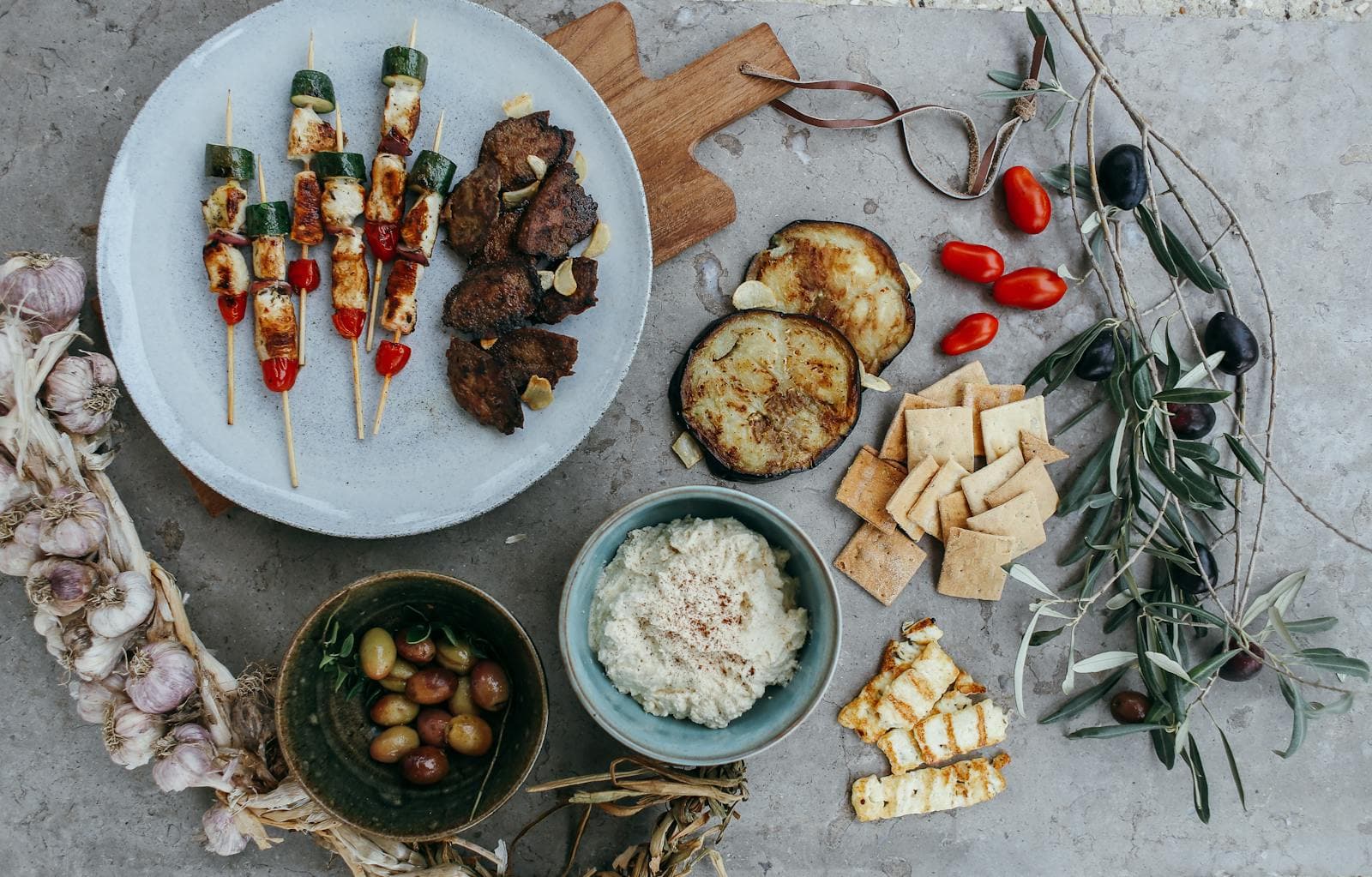
Mediterranean Anti-Inflammatory Meal Plan
7
Days
4
Meals / day
1950
Calories / day
Easy
Difficulty
The Mediterranean diet is the most heavily studied anti-inflammatory eating pattern in nutrition research, with hundreds of trials linking it to lower CRP, better cardiovascular outcomes, and reduced joint pain in arthritis patients. This plan applies the principles strictly: olive oil as the main fat, fatty fish twice a week, legumes, whole grains, vegetables at every meal, and herbs over salt for flavor.
The Mediterranean diet has more research behind it than any other dietary pattern in modern nutrition. Hundreds of randomized trials, dozens of meta-analyses, decades of population studies all point to the same conclusion: this is what humans should be eating if reducing chronic disease risk is the goal.
This plan applies traditional Mediterranean principles strictly. Extra-virgin olive oil as the primary fat (4-5 tablespoons daily). Fatty fish twice a week. Legumes in nearly every lunch. Vegetables at every meal. Whole grains over refined. Herbs and spices as primary flavoring agents. Red meat sparingly, processed meat almost never. Dairy mostly fermented (yogurt, aged cheese). Wine in moderation if you choose, water and herbal tea otherwise.
The key insight that distinguishes Mediterranean from generic 'healthy eating': it's a pattern, not a list. The synergy between olive oil, vegetables, and seafood does more than any single component. Pulling out olive oil and replacing it with seed oils erases most of the benefit. Same for replacing fish with chicken, or replacing whole grains with refined. Treat the whole pattern as one thing.
Educational content. Not medical advice.
Information on this page is for educational purposes only. It is not a substitute for professional medical advice, diagnosis, or treatment. Consult your healthcare provider before changing your diet, especially if you have a medical condition, take medications, or are pregnant or breastfeeding. Read the full disclaimer.
What this plan looks like by the numbers
Macro distribution and calorie split per meal across an average day on the plan.
Macro breakdown
18%
45%
37%
Calories by meal
Who this is for
Anyone who wants the most evidence-backed version of anti-inflammatory eating. People with cardiovascular concerns, arthritis, or metabolic issues who've heard their doctor recommend Mediterranean eating but didn't know where to start.
What to expect
- Lower blood pressure within 2-3 weeks (Mediterranean's most studied effect)
- Reduced joint stiffness for arthritis sufferers
- Improved cardiovascular markers (LDL drop, triglyceride drop) at the 8-12 week mark
- More cooking with olive oil than you'd expect — that's working
Build your own plan in the app
Scan any meal, see its inflammation score, and swap in better picks as you go.


The 7-day plan
Click any meal to see the full recipe with ingredients and instructions.
Day 1
Breakfast · Lunch · Dinner · Snack
Day 2
Breakfast · Lunch · Dinner · Snack
Day 3
Breakfast · Lunch · Dinner · Snack
Day 4
Breakfast · Lunch · Dinner · Snack
Day 5
Breakfast · Lunch · Dinner · Snack
Day 6
Breakfast · Lunch · Dinner · Snack
Why this plan works
The Mediterranean pattern's secret isn't any single food. It's the combination: monounsaturated fats from olive oil, omega-3s from fish, polyphenols from herbs and red wine, fiber from legumes, antioxidants from colorful vegetables. Each component has a small effect; together they consistently move CRP, IL-6, and other markers in the right direction across decades of research.
The science
The PREDIMED trial (2013) showed Mediterranean eating reduced major cardiovascular events by 30% over 5 years compared to a low-fat control diet. The 2019 follow-up confirmed benefits across cancer, cognitive decline, and diabetes incidence. Mediterranean is the only dietary pattern with multiple Class A recommendations from cardiology and rheumatology medical societies. CRP reductions of 15-25% are typical within 12 weeks.
What happens week by week
A realistic timeline of changes you can expect if you stay consistent.
Olive oil acclimation
If you weren't using EVOO daily before, your taste buds adjust to its bitterness over 3-5 days. After that, lower-quality oils start tasting flat.
Cardiovascular shift
Blood pressure measurements often start trending down. Resting heart rate may improve. These changes are small per day but compounding.
Cholesterol panel changes
If you blood-test now, expect HDL up by 5-15%, LDL down 5-10%, triglycerides down significantly. Mediterranean affects all four lipid markers.
Long-game pattern
By 30 days, this is your default eating pattern. The structured 7-day rotation is unnecessary; you've internalized the principles.
5 mistakes to avoid
The shortcuts that quietly break the plan, plus how to fix them.
Using cheap olive oil to 'save money'
Fix: Cheap oil is often rancid or cut with seed oils. Polyphenol content is the whole anti-inflammatory mechanism. Buy real EVOO or skip olive oil entirely.
Treating wine as required (or as carte blanche)
Fix: Wine is optional. 1 glass with dinner, 4-5x a week max. Daily heavy drinking kills the benefit.
Skipping the herbs ('they're optional')
Fix: Basil, oregano, rosemary, parsley aren't garnish — they're a substantial polyphenol source. Use generously.
Eating American-style portions of pasta
Fix: Mediterranean pasta is a side, not the entree. 1 cup cooked, paired with vegetables and protein. Not a 3-cup bowl with bread.
Buying 'Mediterranean diet' processed foods at the supermarket
Fix: If it's in a box with marketing claims, it's probably not Mediterranean. Real Mediterranean is whole-food and home-cooked.
How this compares to other diets
If you're choosing between approaches, here's the honest difference.
Diet
Generic anti-inflammatory diet
Similar to
Same principles, similar foods.
Different
Mediterranean is more permissive on red wine and dairy (especially fermented). Generic anti-inflammatory may be stricter on these.
Diet
DASH diet
Similar to
Both emphasize plants, lean protein, and whole grains.
Different
DASH is sodium-restricted (designed for blood pressure). Mediterranean uses olive oil more liberally and includes wine.
Diet
MIND diet
Similar to
Both are research-backed and brain-protective.
Different
MIND is a hybrid of Mediterranean + DASH, optimized for cognitive decline. Mediterranean is broader.
Modifications
- •Strict Mediterranean traditional: limit dairy to fermented (yogurt, feta), no butter or cream, red meat only 1x/week max
- •More flexible: keep weekly fish 2-3x but allow chicken/turkey on other days
- •Higher protein for athletes: add a fourth meal of grilled fish or chicken with vegetables
Pro tips
- →Quality matters most for olive oil. Buy a real EVOO (cold-pressed, dark glass bottle, in-date harvest year)
- →Use herbs like a chef: basil, oregano, parsley, mint, rosemary, thyme. Not optional — they're a pillar.
- →A glass of red wine with dinner is fully Mediterranean (and anti-inflammatory in moderation). Make it the dinner ritual, not a 7-day-a-week habit.
Frequently asked
Is the Mediterranean diet the same as anti-inflammatory?
There's huge overlap, but anti-inflammatory eating is broader. The Mediterranean diet is the most validated subset of anti-inflammatory eating, with the strongest research backing for clinical outcomes.
Can I do this without fish?
Mediterranean cuisine without fish is unusual but possible. Replace fish with extra legumes, walnuts, and a daily tablespoon of ground flaxseed. You'll get fiber and ALA omega-3 benefits, just not the EPA/DHA from marine sources.
Why so much olive oil?
Mediterranean populations consume 4-5 tablespoons per day. The polyphenols (oleocanthal, hydroxytyrosol) plus the monounsaturated fats are responsible for a big chunk of the diet's anti-inflammatory effect. Don't sub for vegetable oils.
Scan a food in 2 seconds. Know if it's healing or hurting you.
Point your camera at any meal, ingredient, or label. Get an instant inflammation score, the science behind it, and better alternatives. All free.
