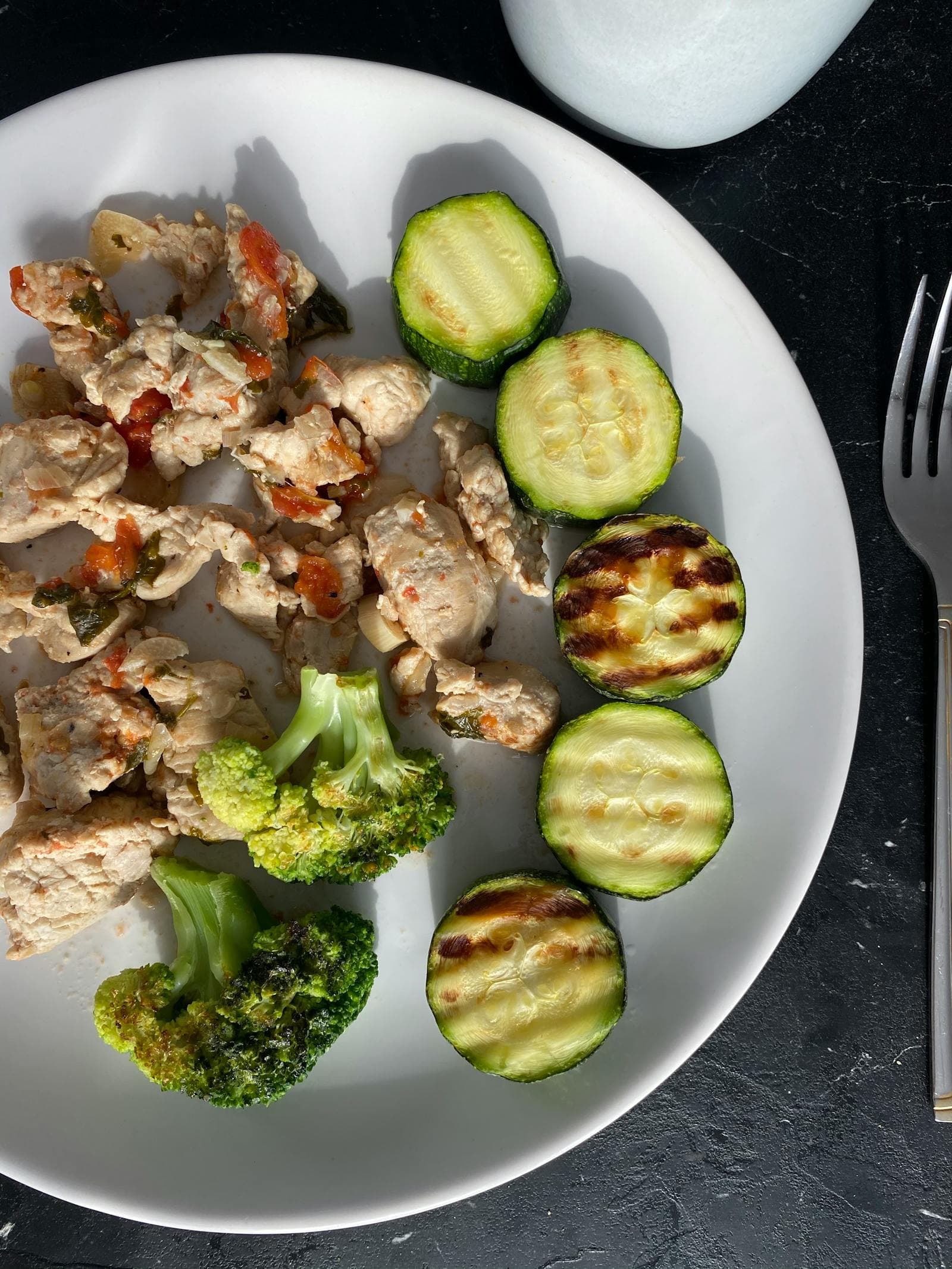
Anti-Inflammatory Meal Plan for Weight Loss
7
Days
4
Meals / day
1500
Calories / day
Easy
Difficulty
Chronic inflammation makes losing weight harder. It disrupts hunger hormones, drives insulin resistance, and increases fat storage in the abdomen. This plan creates a moderate calorie deficit while keeping the foods that lower inflammation, so you lose weight in the way the body actually responds to.
Most weight loss diets fail not because of math but because of biology. Chronic low-grade inflammation disrupts leptin signaling (the satiety hormone), drives insulin resistance (which promotes fat storage), and increases visceral fat accumulation around the organs. Standard calorie-cutting diets ignore this and just shrink portions, leaving people hungry, tired, and inflamed.
This plan creates a moderate calorie deficit (about 400-600 below maintenance for most adults) while keeping every meal anti-inflammatory. The result is fat loss without the typical hormonal disruption: stable blood sugar, steady satiety, preserved lean muscle. Expect 1-2 pounds of weight loss per week — slower than crash diets but actual fat, not water and lean mass.
Protein is intentionally elevated (35% of calories vs the typical 15-20%) because protein has the highest thermic effect, the strongest satiety effect, and protects lean muscle during deficit. Carbs are reduced moderately but not eliminated — fiber-rich whole carbs are kept because they improve gut health and satiety. Fat is moderate, focused on omega-3 and monounsaturated sources.
Educational content. Not medical advice.
Information on this page is for educational purposes only. It is not a substitute for professional medical advice, diagnosis, or treatment. Consult your healthcare provider before changing your diet, especially if you have a medical condition, take medications, or are pregnant or breastfeeding. Read the full disclaimer.
What this plan looks like by the numbers
Macro distribution and calorie split per meal across an average day on the plan.
Macro breakdown
35%
35%
30%
Calories by meal
Who this is for
Adults wanting to lose 5-30 pounds sustainably (1-2 lbs per week). People who've tried calorie-restriction diets that left them tired, hungry, and inflamed. Anyone whose belly weight isn't budging despite cutting calories.
What to expect
- 1-2 pounds per week sustainable loss (not faster — that's water and lean mass)
- Less belly bloat in the first 7 days
- Reduced cravings by week 2 as blood sugar stabilizes
- Better workout output despite calorie deficit (because nutrients are dense)
Build your own plan in the app
Scan any meal, see its inflammation score, and swap in better picks as you go.


The 7-day plan
Click any meal to see the full recipe with ingredients and instructions.
Day 1
Breakfast · Lunch · Dinner · Snack
Day 2
Breakfast · Lunch · Dinner · Snack
Day 3
Breakfast · Lunch · Dinner · Snack
Day 4
Breakfast · Lunch · Dinner · Snack
Day 5
Breakfast · Lunch · Dinner · Snack
Day 6
Breakfast · Lunch · Dinner · Snack
Why this plan works
Two compounding effects. Calorie deficit drives the fat loss math. Anti-inflammatory eating fixes the hormonal environment that fights you: lower insulin resistance means easier mobilization of stored fat; lower cortisol from steady blood sugar reduces belly fat; better gut microbiome from fiber improves satiety hormones. Most weight loss plans get the math right and ignore the hormones.
The science
A 2017 randomized trial in the journal Obesity compared standard low-fat dieting to Mediterranean-style anti-inflammatory dieting at the same calorie level. The anti-inflammatory group lost more visceral fat, had better insulin sensitivity, and maintained the loss longer. Higher protein intake (1g/lb body weight) consistently outperforms lower protein in weight loss trials for both fat loss and muscle preservation.
What happens week by week
A realistic timeline of changes you can expect if you stay consistent.
Water + glycogen drop
Expect 2-4 pounds down on the scale, mostly water from reduced sodium and refined carbs. This isn't fat. Don't get attached to the early number.
Real fat loss begins
Scale weight stalls or drops 1-2 lbs. This is the start of actual body fat reduction. Visceral fat (the dangerous belly fat) starts moving first.
Hunger drops
Cravings noticeably decrease as insulin sensitivity improves. Energy stabilizes. This is the inflection point where the plan becomes easy.
Visible body changes
By 30 days, clothes fit differently. Total weight loss should be 4-8 pounds (depending on starting weight). Visceral fat reduction is happening even if the scale is slow.
5 mistakes to avoid
The shortcuts that quietly break the plan, plus how to fix them.
Drinking calories
Fix: Smoothies, lattes with milk, alcohol, fruit juice. Liquid calories don't trigger satiety. Stick to water, black coffee, herbal tea.
Eating 'small' all day, blowing it on dinner
Fix: Front-load protein and fiber early in the day. Eating tiny breakfast/lunch sets you up for ravenous overeating at night.
Daily weighing and panicking
Fix: Weigh once a week, same day, same time. Daily fluctuations are noise. Weekly trends are signal.
Cutting too aggressively
Fix: More than 700 cal below maintenance is counterproductive. Metabolism slows, lean muscle drops, and you binge by day 5. Stay moderate.
Skipping strength training
Fix: Resistance training 2-3x/week preserves muscle during the deficit. Without it, up to 30% of weight lost is muscle. Always train.
How this compares to other diets
If you're choosing between approaches, here's the honest difference.
Diet
Keto
Similar to
Both reduce inflammation and stabilize blood sugar.
Different
Keto cuts carbs to under 50g/day; anti-inflammatory weight loss allows whole-grain carbs. More sustainable and easier to socialize on.
Diet
Intermittent fasting (16:8)
Similar to
Both create caloric deficits.
Different
IF is a meal timing strategy; anti-inflammatory is a food quality strategy. Combining them works well for some people.
Diet
Standard low-calorie diet
Similar to
Both rely on calorie deficit.
Different
Standard diets ignore food quality and inflammation. Anti-inflammatory plan loses similar weight with better hormonal outcomes.
Modifications
- •Drop the snack on days you're not hungry — don't force-eat
- •If you're losing weight too fast (>2 lb/week), add an extra tablespoon of olive oil or nut butter
- •Athletes maintaining muscle: add a protein shake post-workout (look at the ingredient list)
Pro tips
- →Weigh once per week, not daily. Daily weights add anxiety; weekly captures the trend.
- →Don't drink your calories. Liquid calories don't trigger satiety.
- →Sleep is half the battle. 7-9 hours nightly. Less sleep = elevated cortisol = stalled fat loss.
Frequently asked
How fast will I lose weight?
1-2 pounds per week. The first week may show 3-5 pounds because of water weight from reduced sodium and refined carbs. That's not fat — don't get attached to the early number. Steady 1-2 lb/week is the real signal.
Why am I not losing weight in the first week?
Hormonal water retention is unpredictable. Some people lose 3 pounds week 1, others gain a pound. By week 3, the trend is reliable. Don't quit before week 3.
Can I exercise on this plan?
Strength training 2-3x/week is highly recommended — it preserves lean mass during the deficit, which keeps your metabolism higher. Cardio is optional.
Scan a food in 2 seconds. Know if it's healing or hurting you.
Point your camera at any meal, ingredient, or label. Get an instant inflammation score, the science behind it, and better alternatives. All free.
